Our relationship with water is pretty straightforward in the gorgeous, natural parts of our nation. We fish on lakes, sit by the ocean, or hike beside charming springs. But when powerful storms or burst pipes deposit water where it shouldn’t be, our homes and businesses can’t always survive the damage. In most respects, water is the nemesis of buildings throughout Tennessee.
But water damage comes in many forms, some mild and easily cleaned, others toxic and requiring expert water damage restoration. Worst still, in recent years, flooding has been more common worldwide than at any point in recent memory. For many of us, it’s not a question of if but when water damage strikes.
To understand the risks of water damage in your residential or commercial property, we’ve compiled this helpful guide about categories one, two, and three of water damage and what each means to your recovery.
Categories of Water Damage Explained – An ASDT Guide
As Tennessee’s leading water damage restoration company, Advanced Structural Drying Technologies (ASDT) understands the rigors of cleaning up. With the latest dehumidification technology and thermal imaging capabilities, we can assess the damage and recommend a plan of action ASAP, and this guide explains the three categories of water and what each means for recovery through the restoration process.
If you’ve experienced water damage in your home, business, multi-family property, or hospital, call us today at 615-632-6630 or contact us online.
Clean, Gray, & Black Water Explained
Those of us on municipal sewer lines know that water treatment is vital to city life. Water damage categories are defined by the IICRC S500 standard, which outlines the three categories by contamination level and health risks, while the four classes describe saturation, drying difficulty, and affected wet materials. While that water is generally clean and safe when reaching you, it doesn’t stay that way long. Depending on how you use municipal water, what pipes it flows through to reach you, or what pipes it flows from once you’re done with it, that water could be severely contaminated.
Naturally, the more dangerous water or flood damage is, the less able homeowners and businesses are to handle it themselves. Worse still, highly dangerous water requires extra steps to remediate before you can return to life and work as you know it. Water damage accounts for nearly 40% of real estate losses, so acting early helps guide the restoration process.
Category 1: Clean Water
Not all water damage is catastrophic, though it can turn out that way if it’s not cleaned up quickly. There are three categories of water damage based on contamination and health risks, and category 1 comes from sources of mostly clean or potable water.
These categories are different from the four classes, which describe how much material is wet and how difficult the structure will be to dry.
In most homes or businesses, category 1 water damage starts from a sanitary source and poses no substantial risk on contact at first. It commonly happens when broken supply lines, a system malfunction, or structural damage releases otherwise clean water where it shouldn’t be. This can also include a washing machine overflow, along with sources such as:
- Rainwater
- Water supply lines/pipes
- Melting snow
- Overflowing/leaky bathtubs
- Overflowing/leaky sinks
Naturally, as this water comes into contact with other surfaces, its contamination level increases. Even so, category 1 clean water is safe to contact or clean, but quick extraction and drying help prevent mold growth and further damage.
While it may not pose an immediate risk to your health, this type of water damage can still wreak havoc on floorboards, electrical systems, drywall, carpets, and other fixtures in residential and commercial structures.
Category 2: Gray Water
Each and every day, we use clean water from sanitary sources to accomplish a dirty job. In the process, what started off as mostly clean or potable water becomes contaminated enough to pose a slight risk to our health. When this water winds up in your home or business, you need expert guidance and a prompt response.
Category 2 grey water can result from numerous sources, and Category 1 clean-water damage often starts with broken supply lines or a separate washing machine overflow. Common Category 2 sources include:
- Dishwashers
- Washing machines
- Sump pumps
- Overflowing toilets (when mostly clean)
- Hydrostatic pressure seepage
- Aquariums
- Water beds
While mostly clean to the naked eye, category 2 water damage poses no substantial risk at first, but it can carry microorganisms, bacteria, and potentially harmful substances from food particles and other organic matter. Sources such as sump pump failures and toilet overflows can introduce significant contamination, and in some cases this becomes significantly contaminated water in the affected areas. Disinfection services are necessary to ensure the safety of your family, friends, and employees, and trained crews use protective gear throughout the cleanup process. Quick water removal and drying also help prevent mold growth and further damage.
At ASDT, we remove standing water swiftly with powerful pumps before starting structural drying, dehumidification, and disinfection services. This comprehensive approach quickly turns dangerous homes and businesses into happy, livable spaces again.
Category 3: Black Water
Despite its name, category 3 water damage isn’t always “black” in color. It can be brown, cloudy, or just dirty in appearance. More than its color, the use of “black” here denotes the danger involved with this highly contaminated water. This is grossly contaminated water, and because of the high level of bacteria, viruses, harmful pathogens, and other harmful agents, standing in black water for too long poses severe health risks and can have possibly lethal consequences. By comparison, gray water—also spelled grey water—is significantly contaminated water that may contain organic matter, soap, food particles, and other potentially harmful substances, often requiring a more thorough cleanup process.
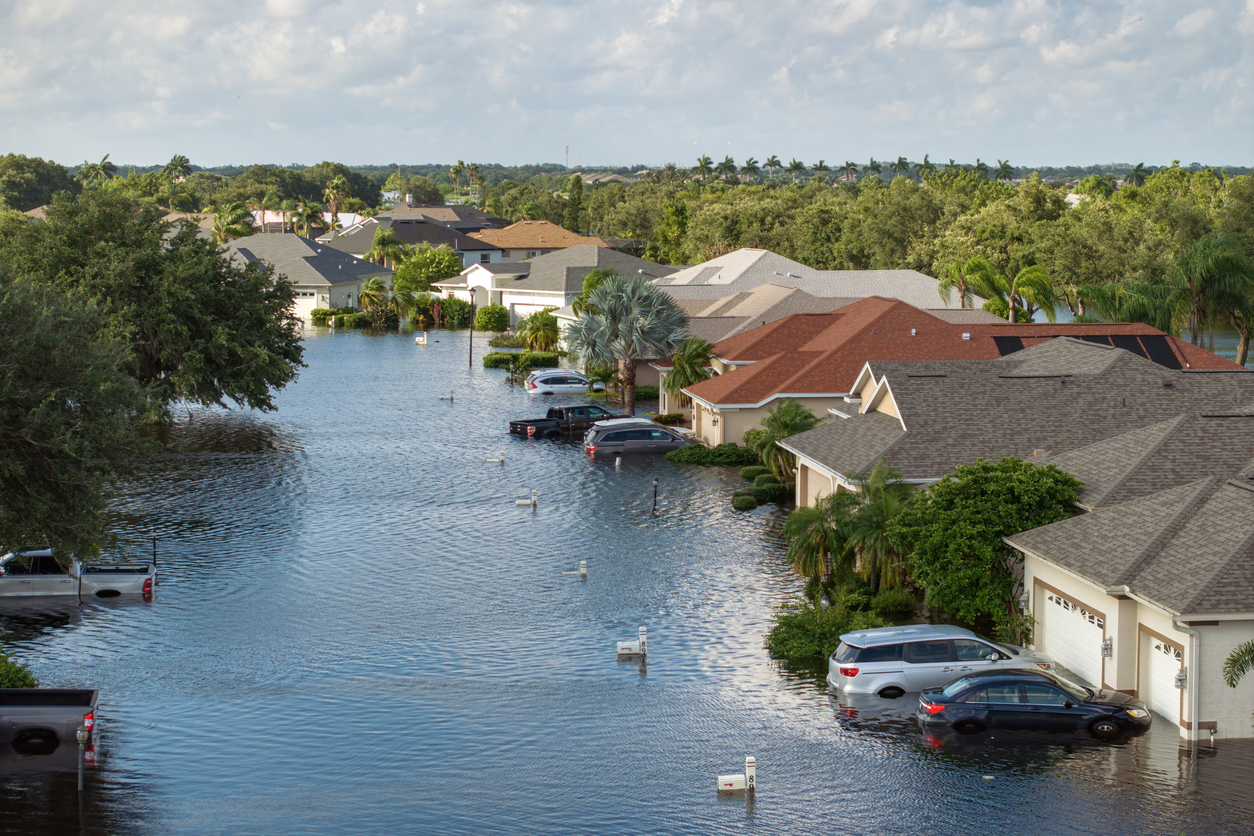
Category 3 black water frequently results from storm damage, flooding, and other natural disasters. It may also follow sewage backups, storm surge, toilet overflows, sump pump failures, or discharge from a washing machine. Usual sources of this type of water damage include:
- Sewage
- Rising water from rivers & streams
- Waste line backflow
- Seawater
- Silty or dirty water driven by wind
Category 3 black water is the most dangerous kind of water damage homes and businesses in Tennessee can experience. As such, you should avoid making any contact or even remaining in the same room as this form of water damage, since it is grossly contaminated and can soak into porous materials.
Home and business owners need a knowledgeable and experienced water restoration company to handle the aftermath, even when a simple sewage backup is responsible. Full personal protective equipment and other protective gear, along with leading equipment, are required for all sewage cleanup jobs. ASDT service teams also document affected areas during cleanup and drying.
ASDT Handles All Categories of Water Damage in Tennessee
Throughout the rolling Appalachian hills of Tennessee, natural water sources highlight the already stunning beauty. But when water ends up on our floors, basements, or ceilings, it’s anything but wonderful to behold.
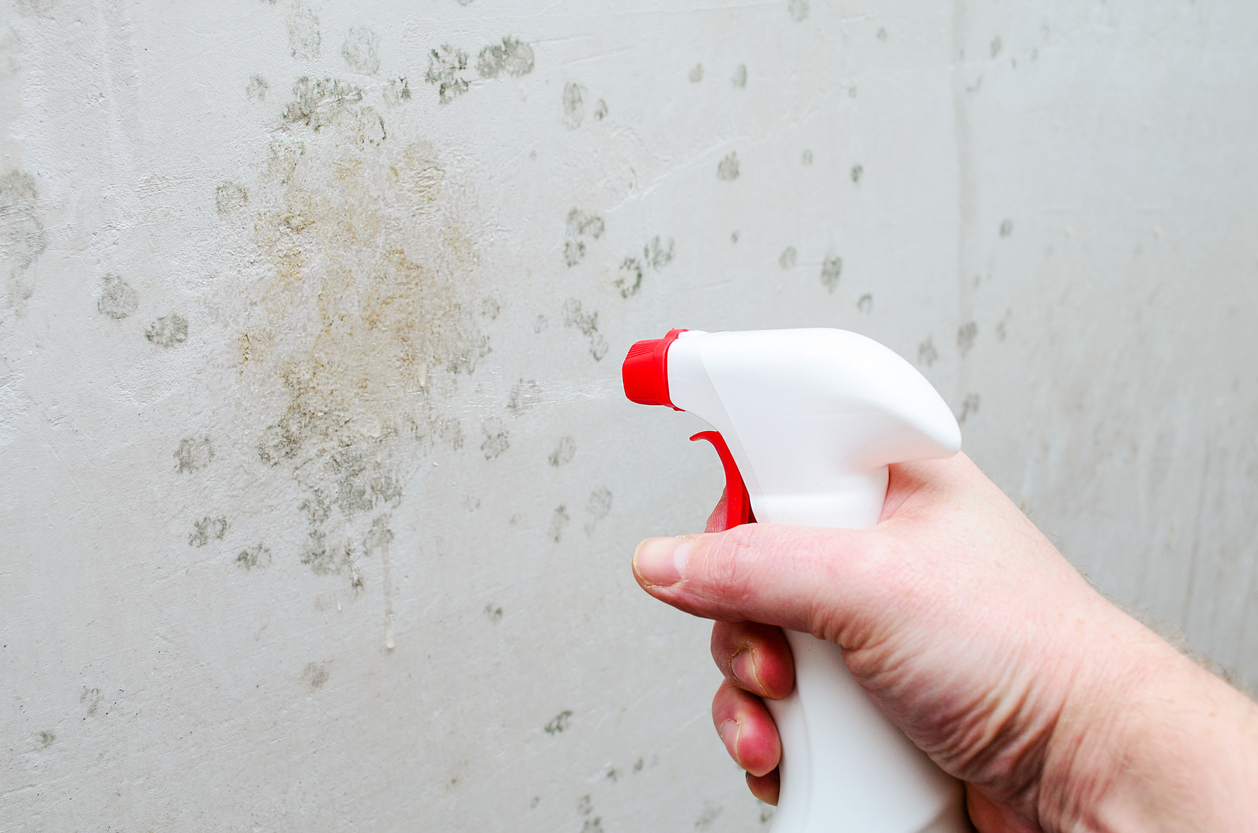
At ASDT, we use the latest equipment and expert training to address and remediate water damage of all kinds safely—categories 1 through 3. We provide fast water extraction to limit further harm, protect structural integrity, and support a healthier indoor environment. For dense materials such as hardwood flooring, we use specialty drying and specialized equipment to reduce drying time and the risk of mold growth or microbial growth. When black water affects an entire room, porous materials exposed to it must be removed and replaced, and our team can also help document the damage for an insurance claim, including what may be covered under homeowners insurance. Our disinfection services restore your peace of mind while our Emergency Response Preparedness Plans (ERPPs) give you a leg up long before disaster strikes. We also coordinate mold remediation when contamination calls for that next step.
If you’ve been affected by water damage or are ready to put a response plan in the books, call us today at 615-632-6630 or contact us online.