A frozen pipe isn’t a burst pipe yet, but there’s no reliable way to know how long you have. Pipes can stay frozen for hours or days, and many don’t leak until the ice melts and water starts moving again. So if you’re asking how long pipes can be frozen before they burst, the safe answer is to act the moment you suspect a freeze. ASDT’s water damage restoration team sees the aftermath at homes and businesses across Middle Tennessee. This guide covers the freeze-to-burst timeline, why our region is exposed, and what to do before and after a pipe gives way.
Frozen Pipes at a Glance
- Pipes are most at risk when outdoor temperatures fall to about 20°F, and exposed pipes can freeze at higher temperatures.
- Frozen pipes don’t always burst, and there’s no reliable timer for when one will.
- Many bursts are discovered during the thaw, when water flows through a crack again.
- Middle Tennessee’s cold snaps are short but severe, and power outages can turn them into extended freezes.
- Know where your main shutoff is, document any damage, and call for help quickly.
How Cold Does It Have to Be for Pipes to Freeze?
Water freezes at 32°F, but pipes inside a heated building get some protection from the structure around them. That’s why insurers and plumbing guides commonly treat 20°F outdoors as the danger point. Angi reports that insulated pipes can freeze in about six hours once temperatures drop below 20°F, and in about 12 hours when temperatures hold between 20°F and 32°F.
Those are outdoor temperatures, not the temperature at the pipe, so location matters. Pipes in exterior walls, attics, crawl spaces, garages, and unheated mechanical rooms freeze first.
How Long Can Pipes Stay Frozen Before They Burst?
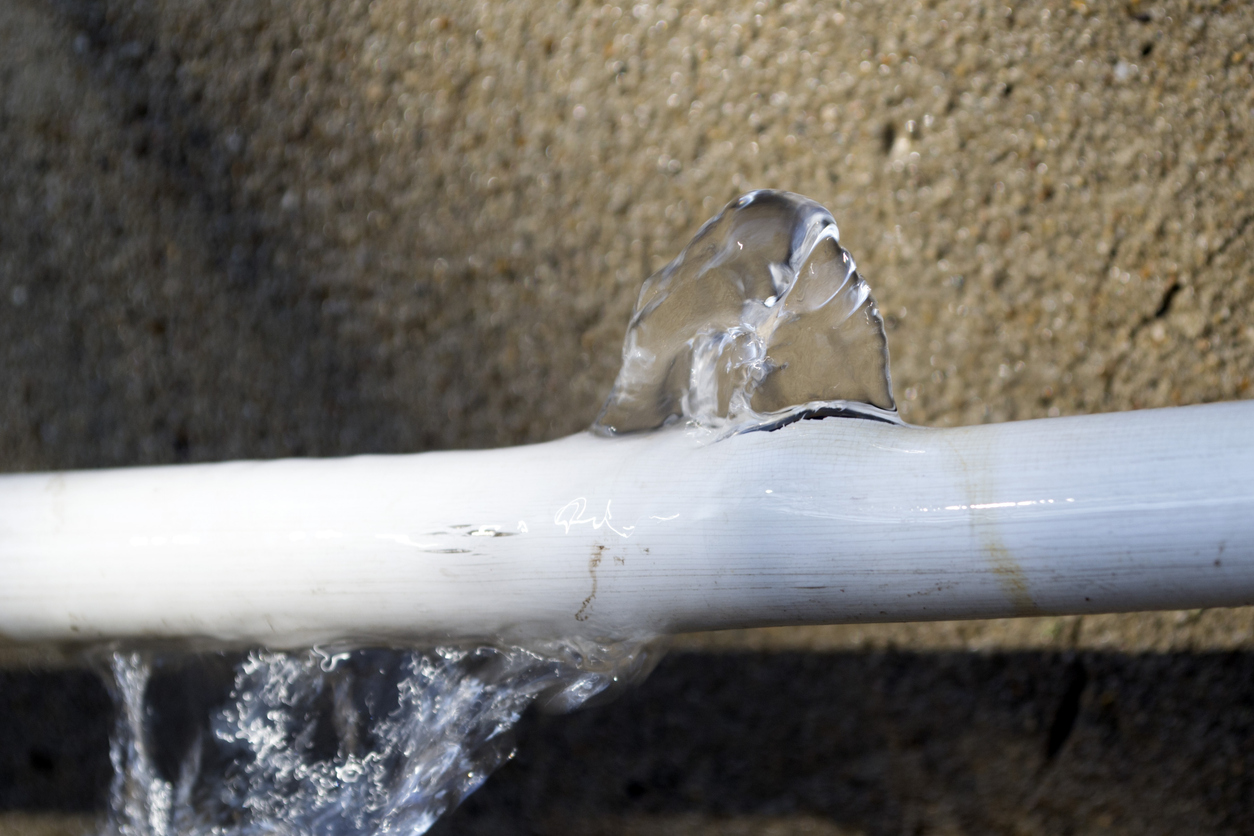
There’s no fixed time. A pipe can stay frozen for days without splitting, or it can split within hours. The reason comes down to pressure. Ice forms a plug, and as more water freezes, pressure builds in the section between the plug and the nearest closed faucet. The crack often forms in that section, not where the ice sits.
Once the ice melts, water pours through the split. That’s when many property owners first see the damage. A pipe that looks fine may already be cracked.
Do Frozen Pipes Always Burst?
No. Pipe material, insulation, how fast the freeze set in, and how quickly the pipe thaws all affect whether it cracks. Some pipes freeze and recover without damage. You can’t tell which kind you have by looking, though, so treat a suspected freeze as a potential leak until water flows normally again.
How Do You Know If a Pipe Is Frozen?
The most common sign is a faucet that produces only a trickle, or nothing at all, during freezing weather. The American Red Cross notes that frozen pipes are most likely along exterior walls and where the water service enters through the foundation. Frost on an exposed pipe is another clue.
Why Are Nashville and Middle Tennessee Properties So Vulnerable?
Our cold snaps are infrequent but severe. In January 2024, Nashville’s official temperature dropped to -1°F after a storm brought 7.6 inches of snow. Two years later, a late-January ice storm left thousands of Nashville-area households without power for more than a week in freezing weather. As temperatures climbed, burst pipes forced families out of their homes, and a sprinkler pipe burst at a Murfreesboro hotel displaced guests.
Many buildings here were designed for mild winters, with plumbing in crawl spaces, attics, and exterior walls that have limited insulation. When the power goes out, even well-protected pipes lose the heat that keeps them safe.
The risk reaches beyond homes. ASDT works with owners and managers of:
- Homes and multifamily buildings
- Hotels, where a burst sprinkler line or upper-floor pipe can flood several rooms at once
- Retail centers, especially vacant tenant spaces with the heat turned down
- Office buildings and mechanical rooms
- Industrial sites with long runs of exposed piping
A burst on an upper floor can send water through several levels. For a business, that means downtime, tenant complaints, and lost revenue on top of repair costs.
What Should You Do While a Pipe Is Frozen?
Move fast, but stay safe. Before you start, find your main water shutoff, since a cracked pipe will leak as it thaws. Then follow these steps from the Red Cross:
- Keep the affected faucet open so water can flow as the ice melts.
- Apply gentle heat with an electric heating pad, a hair dryer, a space heater kept away from anything flammable, or towels soaked in hot water.
- Keep heating until full water pressure returns.
- Check other faucets, since more pipes may be frozen.
- Call a licensed plumber if you can’t find, reach, or thaw the frozen section.
Never use an open flame, such as a blowtorch, a kerosene or propane heater, or a charcoal stove.
What Should You Do After a Pipe Bursts?
Water damage grows by the minute, so work through these steps in order:
- Shut off the main water supply.
- Stay out of standing water near outlets or electrical panels, and call an electrician if power is at risk.
- Photograph and video the damage before cleanup. Our guide on avoiding denied claims through better documentation explains what insurers look for.
- Call ASDT’s 24/7 emergency line at 615-207-3877, then notify your insurer.
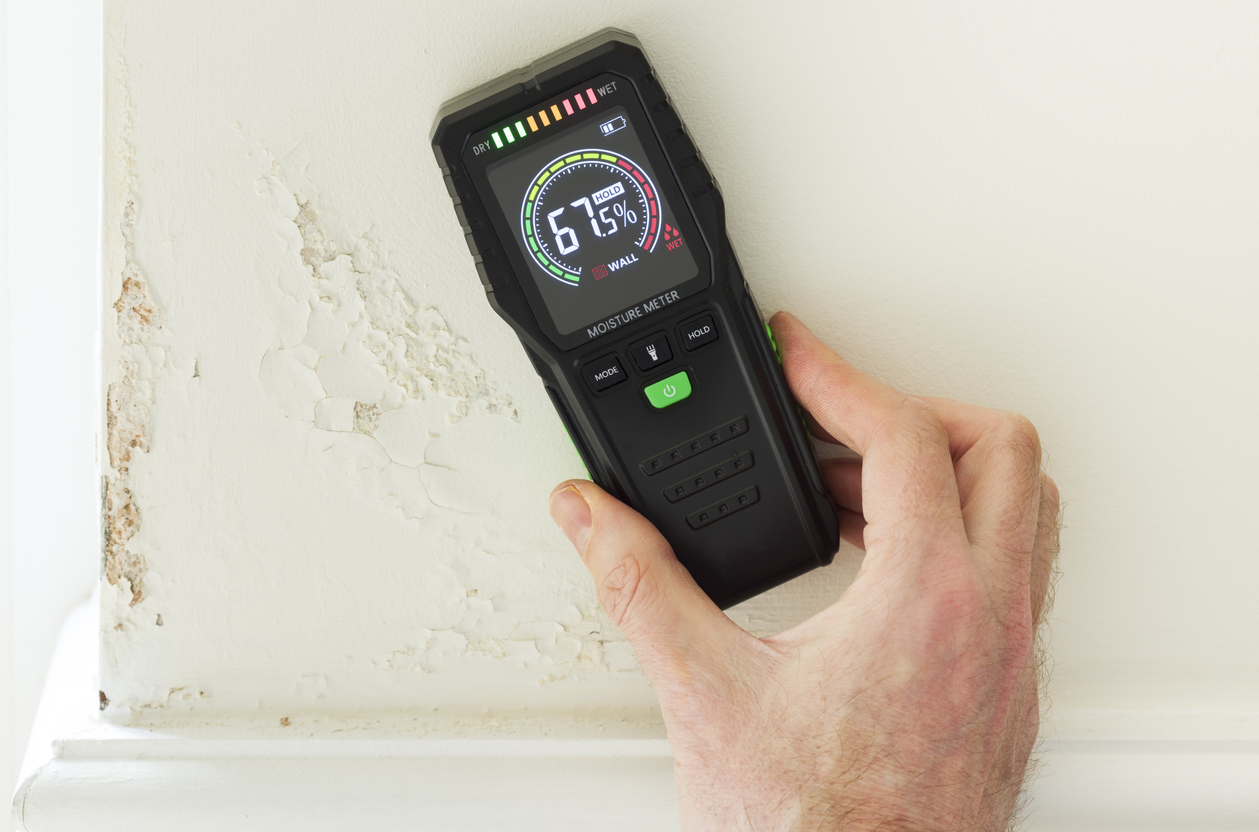
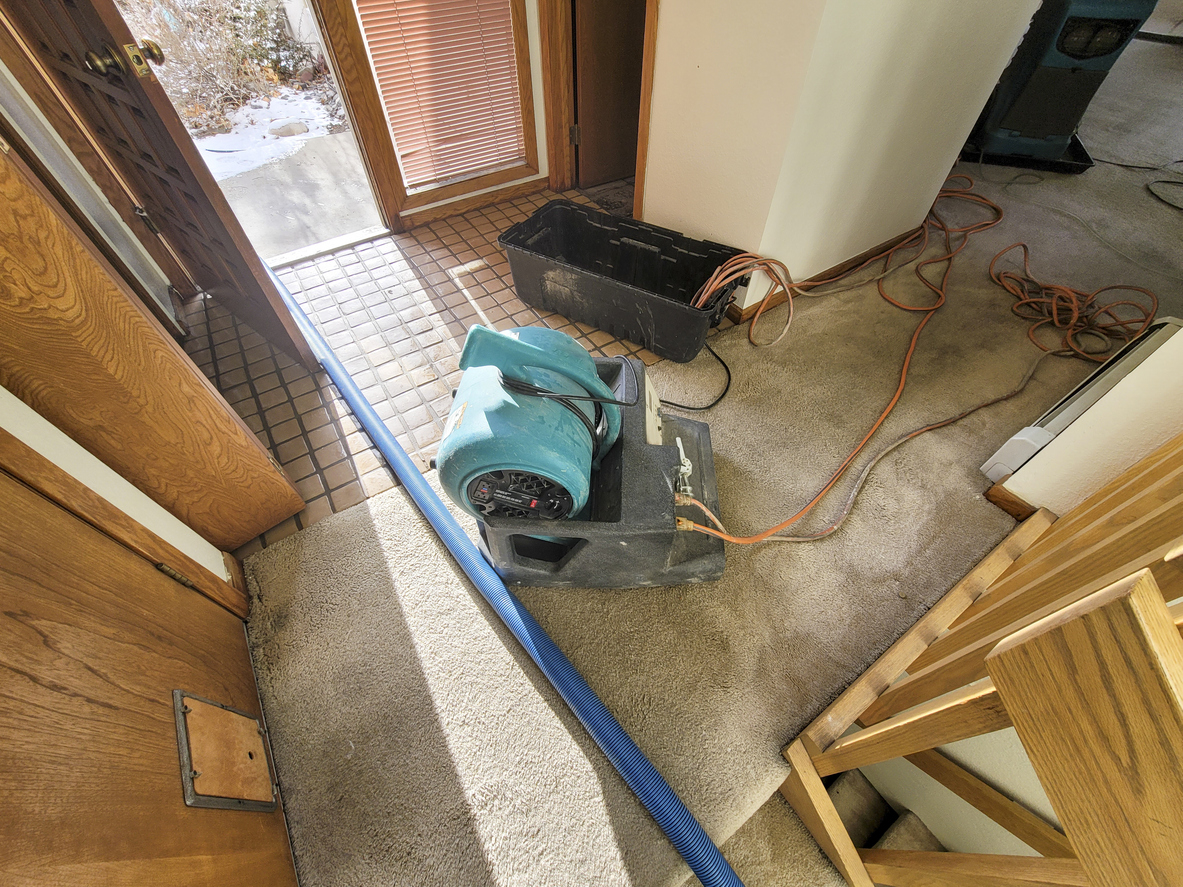
Fast action keeps costs down. As we explain in Water Damage Cost: More Than You Think, delays let moisture spread into walls, floors, and ceilings. ASDT’s team handles water removal and uses thermal imaging to find moisture hidden behind finished surfaces.
How Do You Prevent Frozen Pipes at Home or Work?
Prevention costs far less than cleanup. The Red Cross recommends these steps:
- Insulate pipes in unheated areas such as garages, crawl spaces, and attics.
- Let cold water drip from faucets served by exposed pipes during hard freezes.
- Keep the thermostat at the same temperature day and night, and no lower than 55°F if the building will be empty.
- Open kitchen and bathroom cabinet doors so warm air reaches the plumbing.
- Disconnect and drain outdoor hoses, and close the inside valves that supply outdoor spigots.
For commercial properties, add a pre-freeze walk-through of vacant spaces, mechanical rooms, sprinkler lines, and any piping near exterior walls.
Keeping the heat on also protects your claim. The Tennessee Department of Commerce and Insurance has cautioned that frozen-pipe damage may not be covered if it results from negligence, such as failing to keep the building adequately heated.
What If the Power Goes Out?
Without heat, even well-protected pipes are at risk. If the power is out in freezing weather and won’t be restored soon, shut off the main water valve and open faucets to drain the lines. A drained pipe has little water left to freeze.
Call ASDT After a Freeze or a Burst in Middle Tennessee
A frozen pipe gives you a short window to protect your property. What you do in that window often decides whether you face a minor repair or a major restoration project. If a pipe has frozen or burst at your home or business, ASDT is available around the clock at 615-207-3877. You can also contact us online, and our team will help you plan the next step.