
The letter arrives two weeks after the adjuster walked through your house. You skim it looking for a number and instead you find a phrase like “gradual deterioration” or “continuous and repeated seepage.” Your claim has been denied, the floor is still buckling, and you’re now holding a mitigation invoice with no idea who is going to pay it.
A denial feels final. It is not. It’s one insurance company employee’s reading of one policy applied to one set of facts, and every part of that is contestable.
What follows is the practical sequence for a Tennessee homeowner: how to read what the letter actually said, how to build the evidence that answers it, what rights state rules give you, and what to do with a house that is still wet while all of this plays out.
At a Glance
- A denial letter names a specific reason, and that reason tells you exactly what evidence you need to rebut it
- The most common denial ground is that damage was gradual rather than sudden, which is an evidence problem, not a coverage problem
- Tennessee rules require your insurer to provide a basis for denial, and in writing on request
- Objecting in writing triggers a Tennessee obligation for the insurer to tell you how to file a state complaint
- Keep drying the house during the dispute, because failing to mitigate can create a second, separate reason to deny
What Does Your Denial Letter Actually Say?
Before you argue anything, find the exact language. Most denials fall into a handful of categories, and each one calls for a different response.
The damage was gradual, not sudden. This is the most common ground and the most winnable. Homeowners policies cover sudden and accidental discharge from plumbing and appliances, but exclude damage that develops slowly over time.
The exclusion is standard industry language, and a published regulator’s guide to homeowners policies documents both common variants in a carrier’s own words: one written as loss over “14 or more days,” the broader form written as loss over “weeks, months, or years.” Your policy will use one of them. Find out which.
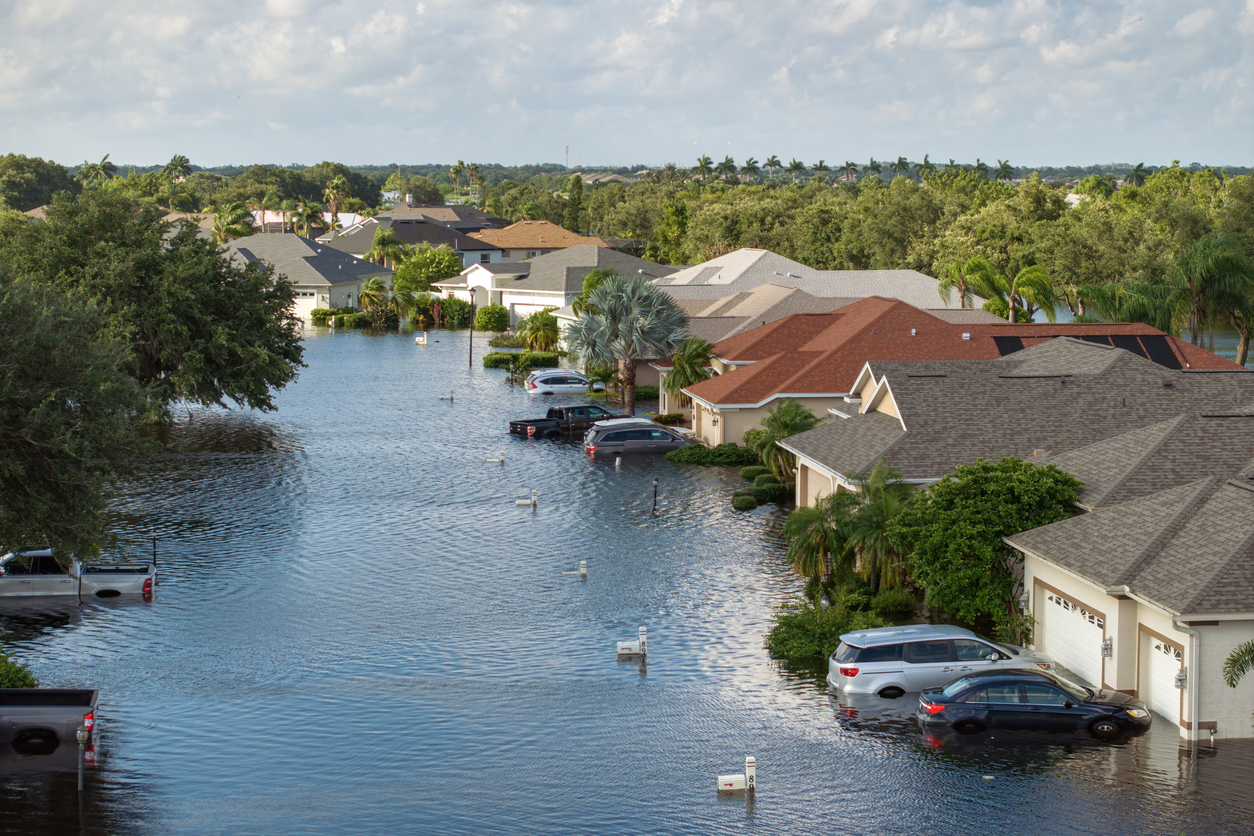
The cause is excluded. Flooding, sewer backup, and mold each sit outside a standard policy unless you carry specific coverage. The Insurance Information Institute confirms that floods are excluded from standard homeowners policies and that sewer backups require a separate endorsement.
Maintenance or wear and tear. The insurer is asserting the failure was foreseeable and preventable.
Late notice or insufficient documentation. A procedural denial, and often the easiest to cure.
Partial denial or underpayment. This is the scenario almost no article addresses, and it’s more common than an outright no. They accepted the claim and valued it far below what restoration will cost. The path forward here is completely different from a full denial, and we will come back to it.
Why Does the Sudden Versus Gradual Distinction Decide So Many Claims?
Because it’s the line between a covered loss and an excluded one, and because insurers know most homeowners cannot prove which side of it they are on.
A supply line that bursts is sudden. A supply line that wept behind a wall for eight months is gradual. From inside your living room, the water looks identical. The difference lives in the physical evidence, and that evidence starts disappearing the moment demolition begins.
How Do You Prove the Damage Was Sudden?
This is where a denial gets overturned, and it’s the part that generic advice skips entirely. Every article tells you to get an independent assessment. Almost none explains what that assessment needs to contain.
Evidence that supports a sudden loss:
- The failed component itself: A clean fracture in a pipe or a burst supply hose reads very differently from advanced corrosion or long-term mineral scaling. Don’t throw it away. Bag it, label it, photograph it in place first.
- Moisture mapping and thermal imaging: A thermal inspection shows the moisture footprint and how water traveled. A tight, well-defined pattern radiating from one failure point tells a different story than diffuse saturation across an entire wall cavity.
- Water utility records: A single billing cycle with a sharp usage spike, surrounded by normal months, is strong evidence of a sudden event. Months of gradually climbing usage supports the insurer’s position, so pull the records before you cite them.
- A plumber’s cause-of-loss letter: A licensed plumber stating in writing what failed, how it failed, and when carries real weight.
- Absence of secondary indicators: Long-term leaks leave evidence behind: staining rings, warped and delaminated material, established mold colonies. Documented absence of those things supports suddenness.
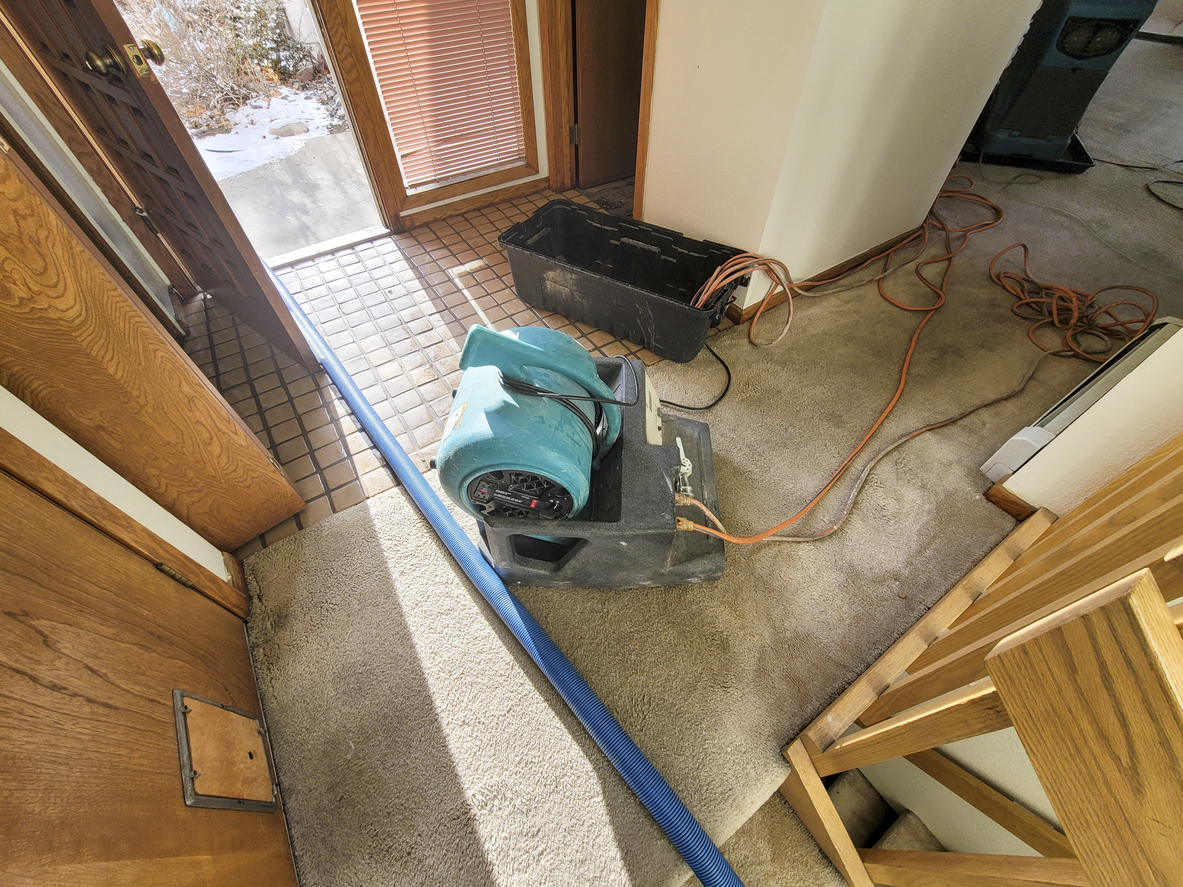
The party best positioned to produce most of this is whoever was physically in your house taking readings. Restoration technicians document moisture levels, run daily drying logs, photograph the failure point, and record the psychrometric conditions of the structure. That record was created for drying purposes, and it happens to be exactly the evidence an appeal needs.
What Should You Do With the Wet House While You Appeal?
Do not stop drying.
This is the single most costly mistake homeowners make after a denial, and the reasoning behind it is understandable. The insurer said no, so you stop spending. Meanwhile the structure stays saturated, mold establishes itself, and subfloor and framing damage compounds.
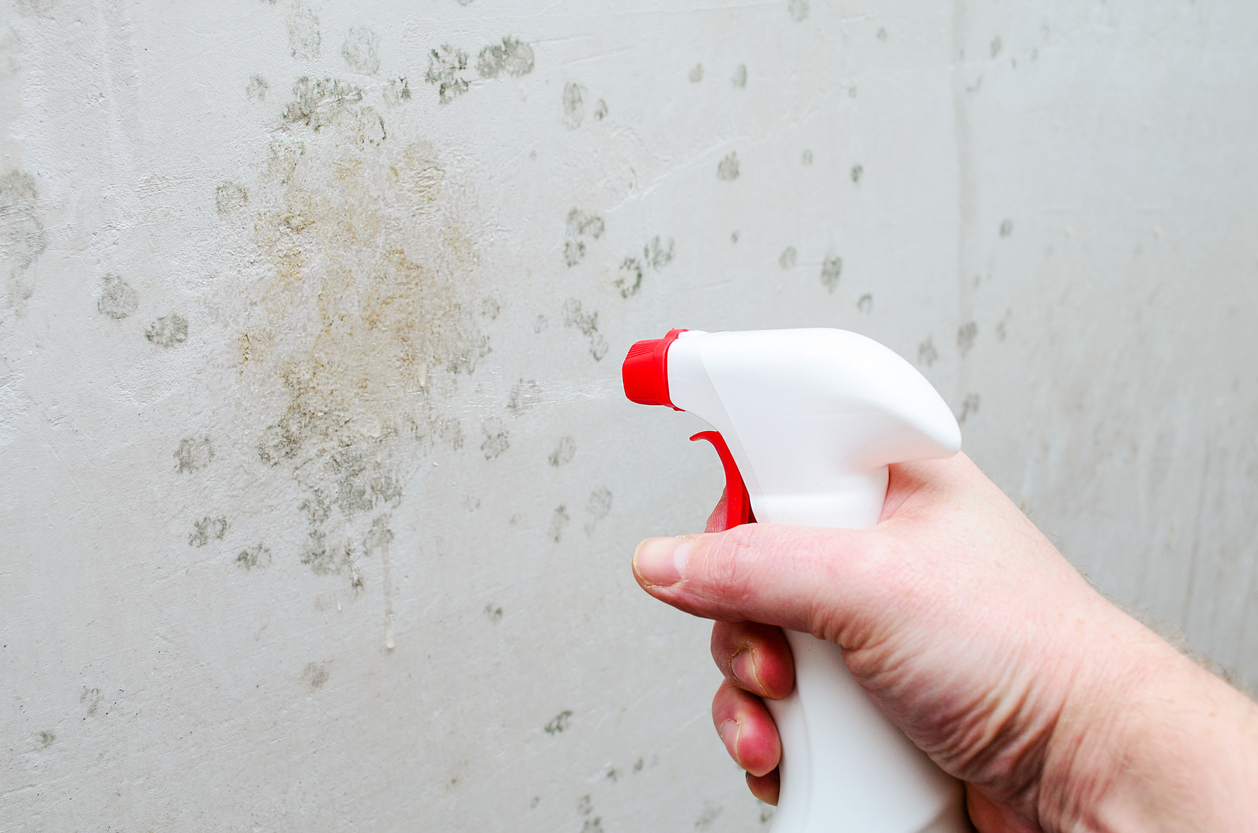
Two problems follow. First, your policy almost certainly obligates you to take reasonable steps to prevent further damage. Failing to mitigate can hand the insurer a second, independent reason to deny, one you created after the fact. Second, mold is separately excluded under most policies except where it results from a covered loss, which means letting a wet house sit converts a contestable water claim into an uncontestable mold problem.
Keep structural drying and dehumidification running, and keep documenting as you go. Continued moisture readings during the dispute period strengthen the record rather than weakening it.
One important exception on demolition. Don’t tear out or dispose of the failed component or the material immediately surrounding it until it has been thoroughly photographed and, ideally, inspected. You can dry a structure without destroying the evidence in it.
What Rights Does Tennessee Give You After a Denial?
Tennessee’s rules are more useful to homeowners than most people realize, and almost nobody writing about denied claims cites them.
Your insurer must give you a basis for the denial. Tennessee regulation states plainly that no insurer shall deny a claim without providing a basis for the denial, and that upon request the denial must be provided to the claimant in writing. If you received a verbal denial or a vague one, request it in writing.
Objecting in writing triggers an obligation. Under the same regulation, if you object in writing after an insurer denies your claim in its entirety, the insurer must notify you in writing that you may file a complaint with the Tennessee Department of Commerce and Insurance, Consumer Insurance Services, at 500 James Robertson Parkway in Nashville, or by phone at 1-800-342-4029. Put your objection in writing. It costs you a stamp and it activates a duty on their side.
There are timelines. Tennessee regulations require an insurer to acknowledge receipt of a claim within 30 days, to reply within 30 days to communications that reasonably suggest a response is expected, and to advise you of acceptance or denial within 60 days of receiving properly completed proofs of loss.
If more time is needed, the insurer must say so and explain why, then update you every 60 days. They must also notify you of an applicable statute of limitations at least 30 days before it expires.
Filing a claim should not get you dropped. Tennessee regulation bars canceling a personal residential property policy that has been in force 60 days or more solely because a claim is pending, and state law bars a premium increase or cancellation based solely on a claim inquiry. The fear of retaliation keeps a lot of homeowners from appealing. In Tennessee, that fear has an answer.
How Do You File a Complaint With the State?
Through the Tennessee Department of Commerce and Insurance, Consumer Insurance Services division. The complaint process can be started online, by mail to 500 James Robertson Parkway, 10th Floor, Nashville, TN 37243, or by phone at 615-741-2218 or 1-800-342-4029. The policy must have been written in Tennessee. Once TDCI requests information from your insurer, the insurer has 30 days to respond.
A complaint is not a lawsuit and it does not cost anything. It creates a regulatory record and puts a third party in the conversation.
Should You Request an Appraisal or File an Appeal?
These are different tools for different problems, and choosing wrong wastes months.
Appraisal resolves disputes about amount. If the insurer agrees the loss is covered but values it far below what restoration actually costs, appraisal is the faster path. Each side hires an appraiser, the two appraisers select an umpire, and the resulting decision is binding on both parties. You pay your own appraiser plus half the umpire’s fee. Check your policy, because appraisal provisions often carry their own deadlines.
Appraisal cannot fix a coverage denial. If the insurer says the loss is not covered at all, there is no amount to appraise. That fight is about coverage, and it runs through internal appeal, the state complaint process, and if necessary, counsel.
This distinction is why partial denials and underpayments deserve their own strategy. If they accepted the claim and paid you 40 percent of what drying and repair will cost, you are in an amount dispute, and appraisal is likely faster and cheaper than anything else available to you.
For flood claims specifically, the process is entirely separate. FEMA provides a 60-day window to appeal from the date of the denial letter, at no cost and with no third party required.
Do You Need a Public Adjuster or an Attorney?
A public adjuster works for you rather than the insurer. The NAIC describes them as adjusters who do not work for any insurance company and who assist in preparing, presenting, and settling the claim, paid by contract as a percentage of the settlement. The company adjuster who inspected your home represents the insurer’s interest and charges you nothing.
Tennessee regulates them meaningfully. Public adjusters must be licensed, and licensure requires an exam, a background check, a 50,000 dollar surety bond, and a 500,000 dollar errors and omissions policy. You can verify a license before signing anything.
Tennessee also caps their fees. Under state law, a contract signed before the insurer makes a settlement offer caps the fee at 15 percent of the total settlement. A contract signed after an offer caps it at 25 percent of the difference between the last offer before the contract and the final result. Tennessee also bars any fee, retainer, or deposit before settlement, so a public adjuster asking for money upfront on a residential claim is a warning sign.
Rough triage: an underpayment on a substantial claim often justifies a public adjuster. A flat coverage denial where you have strong evidence may resolve through appeal and a state complaint without paying anyone a percentage. An outright bad faith situation is a conversation with an attorney.
On that last point, Tennessee law provides that an insurer refusing to pay a loss within 60 days after a written demand may be liable for the loss plus interest plus up to 25 percent, but only where the refusal is shown not to have been in good faith and where the failure caused additional expense. Two details matter: the 60-day clock runs from your written demand, not from the date of loss, and the 25 percent is a ceiling tied to proven additional expense rather than an automatic award.
Frequently Asked Questions
Why would an insurance company deny a water damage claim?
The most common grounds are that the damage was gradual rather than sudden, that the cause is excluded such as flooding or sewer backup, that the loss resulted from lack of maintenance, or that notice or documentation was insufficient. The specific reason must appear in your denial, and it determines your entire response.
How long do I have to appeal a denied claim in Tennessee?
Your policy governs, not a single statewide deadline. Tennessee’s general contract statute of limitations is six years, but homeowners policies commonly contain a shorter “suit against us” clause you are bound by. Read that section of your policy directly. Tennessee regulation does require your insurer to warn you at least 30 days before an applicable limitation expires.
Can I tear out wet drywall before my appeal is decided?
You should keep drying the structure, because your policy likely requires you to prevent further damage. But photograph everything extensively first and preserve the failed pipe, hose, or appliance component, since that physical evidence is often what proves the loss was sudden.
Will appealing cause my insurance to be canceled?
Tennessee regulation prohibits canceling a personal residential property policy in force 60 days or more solely because a claim is pending, and state law bars a premium increase or cancellation based solely on a claim inquiry.
A Denial Is a Starting Position, Not a Verdict
Insurance companies deny claims based on the information in front of them at the time. When better information arrives, positions change. The homeowners who succeed after a denial are the ones who read the letter carefully enough to know exactly what they need to prove, gathered evidence before it disappeared, and kept the house dry while the argument played out.
If you’re holding a denial and a wet house, the documentation you need still exists. It just needs someone to capture it properly.
Call ASDT for Water Damage Documentation and Restoration in Nashville, TN
A denied claim doesn’t change what your house needs today. ASDT provides certified moisture inspection, thermal imaging, and structural drying with the documentation record that supports an appeal. Contact ASDT online or call 615-207-3877 to get a response team on-site.