When water floods your property, you want a crew that knows what it’s doing. That’s where IICRC certification comes in. In plain terms, it means a technician or company has met training and ethics requirements set by a respected industry group. This guide explains what the letters stand for, what the standards cover, and how to check a company’s claims. ASDT’s IICRC-trained team is one example of what to look for.
At a Glance
- The IICRC is a non-profit that sets standards and offers training and certification for the restoration industry.
- S500 covers water damage restoration, and S520 covers mold remediation.
- Credentials like WRT, ASD, and AMRT are earned by individual technicians.
- A Certified Firm is the company itself, which signs a code of ethics and renews it every year.
- You can verify a firm before you hire it, and you should.
What Is IICRC Certification?
The Institute of Inspection, Cleaning and Restoration Certification (IICRC) is a non-profit organization for the inspection, cleaning, and restoration industries. It develops standards and provides training and certification. It is not a government agency, and it does not do the work itself.
Think of it like a driver’s education program for restoration pros. It doesn’t guarantee a perfect job, but it shows the people on your property have been trained to a shared standard.
What Are the S500 and S520 Standards?
Standards are the rulebooks that certified pros follow. The IICRC publishes many standards, and they’re developed through an ANSI-accredited process.
What Does the S500 Cover?
The ANSI/IICRC S500 is the Standard for Professional Water Damage Restoration. Its fifth edition came out in 2021. It covers procedures and precautions for homes, businesses, and institutions, including drying science, equipment, safety, and structural restoration. It also assumes the property owner is responsible for finding and fixing the source of the water.
What Does the S520 Cover?
The ANSI/IICRC S520 is the Standard for Professional Mold Remediation. Its fourth edition covers mold work in residential, commercial, and institutional buildings, as the ANSI Blog explains. It’s the guide behind safe, careful mold cleanup.
What Do WRT, ASD, AMRT, and FSRT Mean?
These letters are technician certifications. Each one shows a person completed IICRC training in a specific skill. Common ones include:
- WRT: Water Damage Restoration Technician
- ASD: Applied Structural Drying Technician
- AMRT: Applied Microbial Remediation Technician
- FSRT: Fire and Smoke Damage Restoration Technician
The IICRC also offers a Mold Remediation Specialist credential, which requires at least one year of verifiable mold remediation experience, according to its certification list. More letters after a name usually means broader training.
What Is the Difference Between a Certified Technician and a Certified Firm?
A certified technician is a person with personal credentials. A Certified Firm is the business. Firms sign the IICRC Code of Ethics and pay an annual renewal. Ask for both: a company badge and technicians who hold the skills for your type of loss.
Is IICRC Certification the Same as a License?
No. Certification comes from an industry group, while a license comes from the state. Some states require special licenses for work like mold remediation, and rules vary widely. ASDT’s mold licensing FAQs explain how this works. A smart hire has both the right certification and any license your state requires.
How Can You Verify a Restoration Company?
Don’t just trust a logo on a truck. Follow these steps:
- Use the IICRC Global Locator to look for the company as a Certified Firm.
- Ask for the names of the technicians who will be on your job and which certifications they hold.
- Ask which standard they will follow, such as S500 for water.
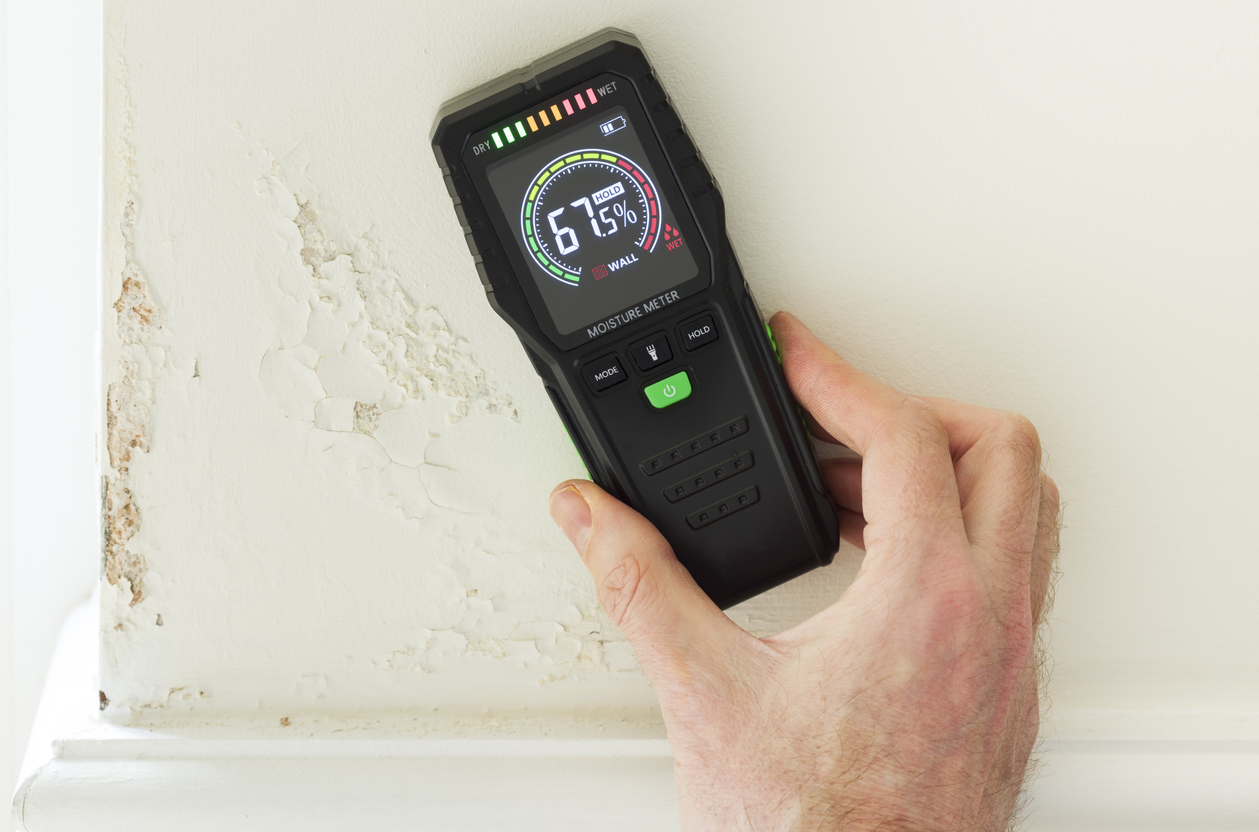
- Request moisture readings and drying records during the job.
- Report firms that falsely claim certification to the IICRC at CertifiedFirms@iicrcnet.org.
Why Does Certification Matter in a Real Emergency?
Water damage gets worse by the hour. A trained crew knows how to dry structures correctly, which helps prevent mold and repeat repairs. Choosing a certified team is one of the simplest ways to protect your property. You can also see how modern tools help in ASDT’s post on restoration technology that reduces cost and speeds recovery.
Choose a Restoration Team You Can Trust
IICRC certification doesn’t replace good judgment, but it gives you a clear way to compare companies. Look for trained technicians, a firm that follows recognized standards, and proof you can verify yourself. Learn more about why property owners choose ASDT, a leading damage restoration company in Tennessee.
Talk With ASDT’s IICRC-Trained Team Today
ASDT’s team training is accredited by the IICRC, and our crews are certified in applied structural drying. For emergencies, call 615-207-3877, or contact us to schedule a service call.