If you’re trying to figure out how to get insurance to pay for water damage on a commercial property, cleanup alone won’t get you there. What gets claims approved today is proof, and carriers are demanding more of it than ever.
Water damage can quickly ruin property and belongings, and these incidents can happen unexpectedly, even with precautions in place.
Insurance teams have tightened requirements because claim abuse has driven up costs across the industry. That means the same loss that might’ve been paid quickly a few years ago can now get delayed, reduced, or denied if the file is missing key details. Understanding your insurance coverage is essential, as not all types of water damage are covered by standard policies. In this post, you’ll see what “insurance-grade” documentation actually looks like, why moisture mapping and advanced imaging matter, and how we use tools like iGuide, thermal imaging, and verified moisture data to help protect your claim.
Immediate action is critical to stop the source of water and begin cleanup.
TL;DR
- Claims get denied when the documentation can’t prove what was wet, how wet it was, and what changed during drying.
- A strong water damage assessment includes baseline readings, affected materials, timelines, and clear decisions backed by data.
- Moisture mapping and thermal imaging help prove hidden damage that photos and eyeballing can miss.
- Tools like iGUIDE create a defensible record that reduces adjuster guesswork and dispute risk.
- When your file is complete, the claim process typically moves faster with fewer scope challenges.
- Most insurers have strict deadlines for reporting claims, so acting quickly is in your best interest.
- It is important to file a claim as soon as you discover the damage.
- Make sure you understand your policy’s coverage, including what types of water damage are insured or excluded, as coverage can vary depending on the cause and circumstances of the damage.
Why Commercial Water Damage Claims Get Challenged More Than Ever
Commercial claims are getting tougher because carriers aren’t just paying for what happened, they’re paying for what you can prove happened. When insurers see rising costs and repeat patterns of inflated scopes, they respond by tightening documentation standards. That’s the environment you’re dealing with now, even if your loss is legitimate and urgent. Understanding your insurance policy and what your home insurance covers or excludes is crucial before filing a water damage insurance claim.
In practice, this means adjusters want a clear story that starts at the first notice of loss and holds together all the way through completion. Your documentation needs to show where the water went, what materials were affected, what your mitigation plan addressed, and why that plan was necessary. Documenting any repairs you have done can be helpful to prevent further damage. You are required to keep a log of every conversation with the insurance company, including names, dates, and what was discussed. An independent insurance agent can help navigate the claims process and advocate for the homeowner’s interests.
If the file relies on vague photos, broad statements, or missing moisture readings, carriers may question the scope and cut reimbursement. Documentation of damage and communication with contractors, as well as keeping records of their work, is critical for supporting a water damage claim.
Assessing Damage and Taking Immediate Action
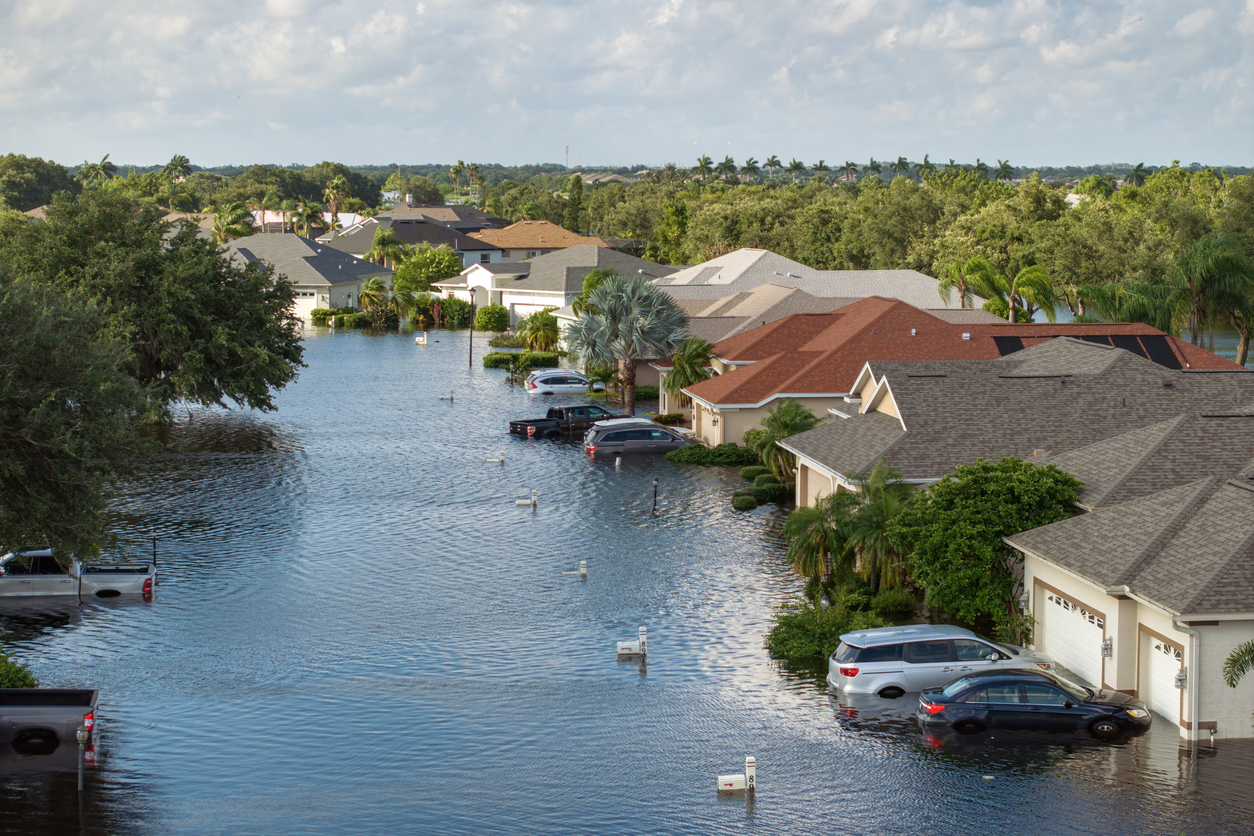
When water damage strikes, whether from a burst water pipe, heavy rain, or flood damage—taking immediate action is critical to protect your property and minimize further damage. The first step is to identify and stop the source of water if possible. For example, shutting off the main water valve can prevent additional water from spreading in the event of a burst pipe, while containing water intrusion during a storm can help limit the affected areas.
Once the situation is under control, contact your insurance agent immediately to report the incident and begin the claims process. Most insurance policies require prompt notification of water damage to ensure your claim is covered. Your insurance agent will explain what your policy covers and guide you through the next steps, helping you avoid unnecessary delays or denials from the insurance company.
Documenting the extent of the water damage is essential for a successful claim. Take clear photos and videos of all wet areas, damaged materials, and any standing water. This visual evidence will be crucial when your insurance company reviews your claim. If you have wet documents, handle them carefully—wear gloves to avoid further damage, and consider freezing them to halt deterioration until you can consult with document recovery professionals.
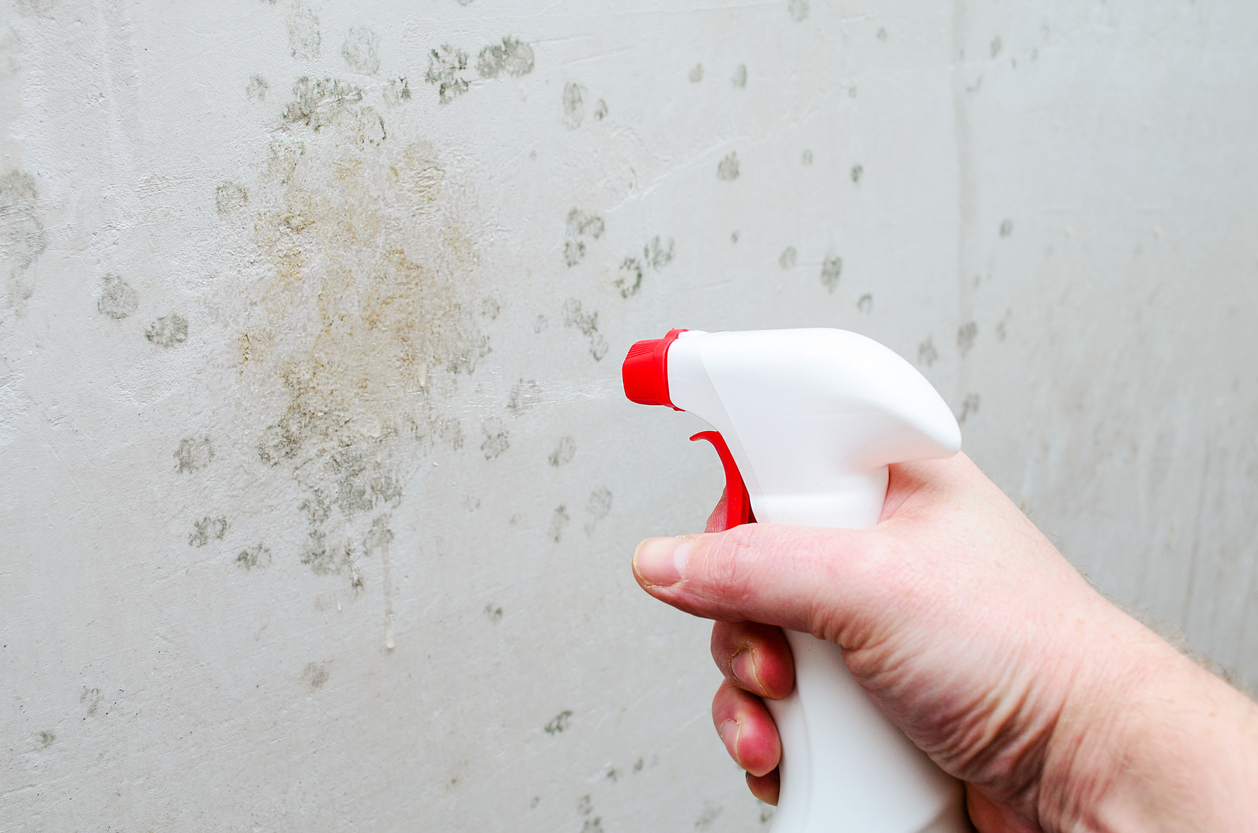
Removing standing water as soon as possible is another critical step. Use a wet vacuum, mop, or call in professionals to extract water and start the drying process. Quick action helps prevent mold growth and additional damage, which can complicate the claims process and increase repair costs.
If your insurance company denies your claim or offers a settlement that doesn’t reflect the true extent of your losses, don’t hesitate to seek legal action. An attorney experienced in insurance claims can advocate for your interests and help you pursue fair compensation.
What Insurance-Grade Documentation Looks Like
Insurance-grade documentation tells a complete, defensible story from the moment loss occurs through final drying verification. It shows what was affected, how severe the conditions were, and why specific mitigation steps were required. Without that clarity, adjusters are left filling in gaps, which is where denials and scope reductions usually start.
A proper water damage assessment includes:
- Documented baseline moisture readings
- Clearly identified affected materials
- A logical mitigation plan supported by data
- Documentation of leaks and burst pipes as common causes of water damage, including photos and repair estimates
It also tracks how conditions change over time, not just where they started. Dates, readings, photos, and notes should align so nothing feels disconnected or assumed. Gradual damage, such as slow leaks, may not be covered by insurance policies and should be clearly documented to avoid claim issues.
Tracking all expenses related to restoration, such as hotel stays, dining, cleaning costs, and keeping receipts for every payment, is essential for reimbursement. Taking explicit photos and obtaining repair estimates is critical to support your claim and ensure a smooth payment process.
When documentation meets this standard, it removes ambiguity from the claim review process. Instead of debating scope or necessity, carriers can see objective proof that supports the work performed and the costs tied to it.
The Documentation Tools That Protect Your Claim
- Moisture mapping creates a visual record of where water traveled and how far it spread beyond visible damage. This helps demonstrate why drying was needed in specific areas and prevents disputes over scope.
- Thermal imaging identifies temperature differences that often indicate hidden moisture behind walls, ceilings, and flooring. This is critical when surface conditions look dry, but underlying materials are still affected.
- iGUIDE** documentation** provides a precise, interactive record of the property layout and affected spaces. It allows adjusters to understand size, layout, and relationships between areas without relying on assumptions.
- Daily moisture logs track progress throughout drying, proving that mitigation was monitored and completed correctly.
- Document water damage caused by appliance failures such as washing machines, water heaters, or dishwashers. Keep a file with receipts for all major appliances, as these documents are essential for supporting insurance claims.
- Use a dehumidifier to remove moisture from the air and prevent mold growth in document storage areas after flooding.
- Maintain documentation of roof maintenance to support claims for water damage resulting from roof leaks.
- Utilize professional document recovery services after natural disasters, as proper equipment and trained staff are necessary for successful recovery of important documents.
- Document water damage incidents in the basement and understand your insurance coverage for basement damages, especially after severe weather or leaks.
Documentation Makes The Claims Process Quicker
The water damage claim process moves faster when adjusters don’t have to ask for clarification, supplemental proof, or re-inspections. Strong documentation anticipates those questions before they come up.
Your insurance company will send an adjuster to your home to evaluate the damage. Reaching certain points in the claims process—such as the point when documentation is required or the point of settlement—is critical for a smooth claim. When your file clearly shows initial conditions, affected materials, moisture readings, and drying verification, carriers can review the scope with confidence. For commercial property owners, this matters because downtime costs money. Every delay in claim approval can slow repairs, disrupt operations, and extend business interruption.
Avoid These Common Mistakes With Your Claim
Small gaps in documentation can turn a valid commercial water damage claim into a denial or reduction. Use this quick checklist to stay covered:
- No baseline moisture readings: Without initial meter readings, you can’t prove starting severity; photos alone won’t establish conditions.
- Photos without supporting data: Images need context—pair with timestamps, locations, and meter readings to show progression.
- Incomplete moisture mapping: Skipping units, ceilings, or chase walls creates blind spots and invites scope disputes.
- Gaps in drying logs: Missing daily readings or equipment records raise questions about the duration and necessity of mitigation.
- No post-dry verification: If you don’t document materials returning to target levels, adjusters may claim work was excessive or unfinished.
- Failure to document slow leaks: Insurance policies often exclude coverage for damages caused by gradual issues like slow leaks. Carefully document any evidence of slow leaks to support your water damage insurance claims.
- Not moving water-damaged items: Move water-damaged items to a dry location as soon as possible to minimize further damage.
- Improper handling of wet documents: Use paper towels to soak up excess moisture from wet documents, and consider freezing them to delay the effects of water damage and provide more time for restoration.
Make Your Commercial Water Damage Claim Bulletproof
Proper documentation is no longer optional if you want insurance to pay for water damage. Carriers expect data-backed proof that explains what happened, why mitigation was required, and how drying was verified. Insurance typically covers water damage caused by an accident, such as a burst pipe or appliance failure, but thorough documentation is essential to support your claim. When moisture mapping, imaging, and logs are done correctly, your claim becomes easier to review and harder to dispute.
Insurance companies have a financial interest in the claim process and may sometimes deny claims or offer low settlements, especially if fault or negligence is questioned. In such cases, legal assistance can be beneficial when dealing with water damage and insurance coverage disputes, and hiring a lawyer can increase your chances of achieving a favorable outcome. Additionally, insurance coverage for water damage may include provisions for temporary living expenses if your home is uninhabitable, so be sure to track and document all related expenses for reimbursement.
Get Insurance-Grade Documentation for Tennessee Properties
If you’re dealing with a commercial water loss in Tennessee, working with a team that understands insurance-grade documentation can make all the difference. If you need documentation that supports your recovery instead of working against it, reach out to us online or call us at 615-207-3877.