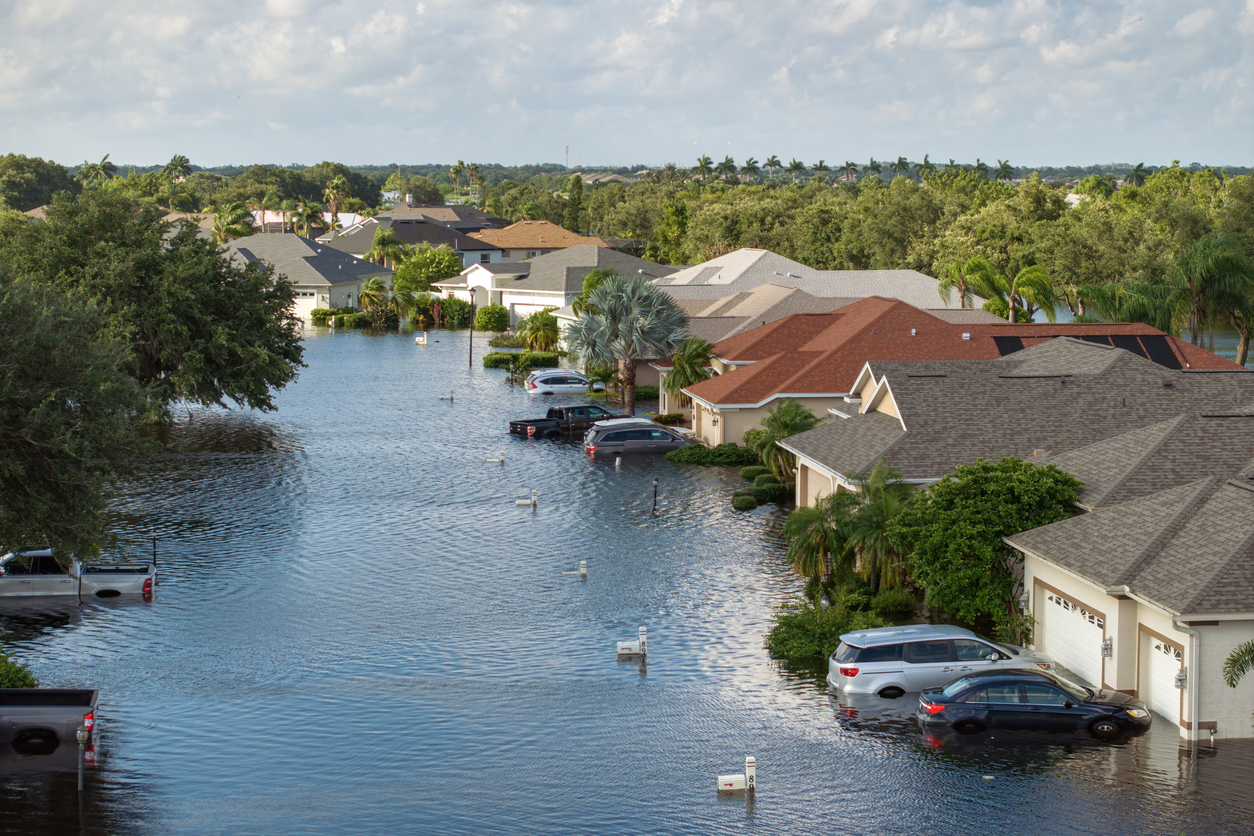
If you walked into your store this morning and found water across the sales floor, your first questions would probably be: “How bad is this, and what do I do right now?” Retail space water damage can range from a manageable plumbing leak caught early to a serious loss that reaches inventory, subfloor materials, and electrical systems before anyone notices. Either way, the steps you take in the first hour matter.
Retail owners across Nashville and Middle Tennessee often feel pressure to solve everything immediately. You want customers safe, staff focused, and the store back to normal. The best first move is not to rush. Get clear on what happened, make the space safe, and stop small damage from turning into expensive damage.
Quick Summary
- Secure the space before cleanup begins
- Remove standing water quickly to limit damage
- Document conditions before moving too much
- Check for moisture hidden behind walls or under flooring
- Follow a recovery plan that supports reopening
Protect People First
Before products are moved or cleanup begins, make sure the area is safe for everyone inside the building.
Water changes a room quickly. Floors become slick, power sources may be affected, and ceiling materials can weaken without much warning. If the source of the water is unclear, sanitation may also be part of the issue. Taking a few careful minutes now can prevent injuries and avoid a second problem on top of the first one.
What to Do Right Away
- Keep customers out of affected areas
- Move employees to dry and safe zones
- Use cones, signs, or barriers to block access
- Shut off electricity in affected areas if it can be done safely
- Watch for sagging tiles, ceiling leaks, or damaged fixtures
- Avoid contact with water if the source is unknown
If water is still spreading or the source has not been stopped, emergency flood cleanup support should be called right away.
Document the Damage Before Cleanup Changes the Space
Most managers want to start fixing the problem immediately, from cleaning the floor to protecting the products, just to get the day moving again. Taking a few minutes to document conditions first, however, often makes the entire recovery smoother.
Photos and notes create a clear record of what the space looked like when the issue was discovered. That can help with insurance conversations, guide restoration crews, and give ownership a realistic picture of the impact. Water damage doesn’t stay the same for long once cleanup starts, so early documentation carries real value.
Why Documentation Matters
Without an early record, it becomes harder to show what was affected and how serious the conditions were when the problem was first discovered. Inventory gets moved, standing water is extracted, and visible signs on floors or ceilings may look different within a few hours. If no one captures the starting point, important details can be lost.
Good documentation gives everyone a clearer place to work from. It helps insurance adjusters understand the scope of the loss, gives restoration crews a better sense of where to focus first, and helps ownership make informed decisions about operations, staffing, and next steps.
Good documentation can support:
- Insurance claims
- Restoration planning
- Inventory loss tracking
- Internal reporting
- Landlord communication
- Cleaner coordination with vendors
Think of documentation as part of the response, not something separate from it.
What to Capture First
Start with wide photos, then move closer for detail shots. Capture:
- Sales floor, entrances, checkout areas, and stock rooms
- Damaged inventory, shelving, displays, and fixtures
- Wet flooring, carpet, tile, or baseboards
- Ceiling leaks or visible water stains
- The source of the water if it can be viewed safely
- Time the issue was discovered
- Areas affected first
- Steps already taken by your team
A phone camera and a notes app are usually enough. Keep everything in one folder labeled with the date and location so details stay easy to find later.
Protect Inventory and High-Value Areas
Retail spaces carry a challenge many other buildings do not. Commercial water damage restoration involves protecting the structure and the products that keep the business running at the same time.
Start with items that are most valuable, most vulnerable, or most important to daily operations. Electronics, POS systems, seasonal inventory, and customer-facing displays often deserve early attention. Back stock areas, fitting rooms, and checkout counters may also need quick decisions depending on where the water traveled.
Move salvageable items into dry areas when it is safe to do so. Separate wet inventory from unaffected stock and keep a record of what was moved, damaged, or discarded. Those notes help now and later.
Visible damage can also affect customer confidence. Damp odors, stained flooring, or warped fixtures can shape how the business feels when people return.
Watch for Hidden Damage
Some of the most expensive retail water damage restoration issues are easy to miss on the first day.
Water often travels farther than it appears to. It can move under vinyl flooring, settle behind wall displays, collect inside cabinets, or remain trapped in baseboards and wall cavities. The surface may look fine while moisture is still sitting underneath. Retail spaces in flood-prone areas of Nashville face added exposure—Nashville’s flood risk resources are a useful reference for understanding your property’s risk level before the next weather event.
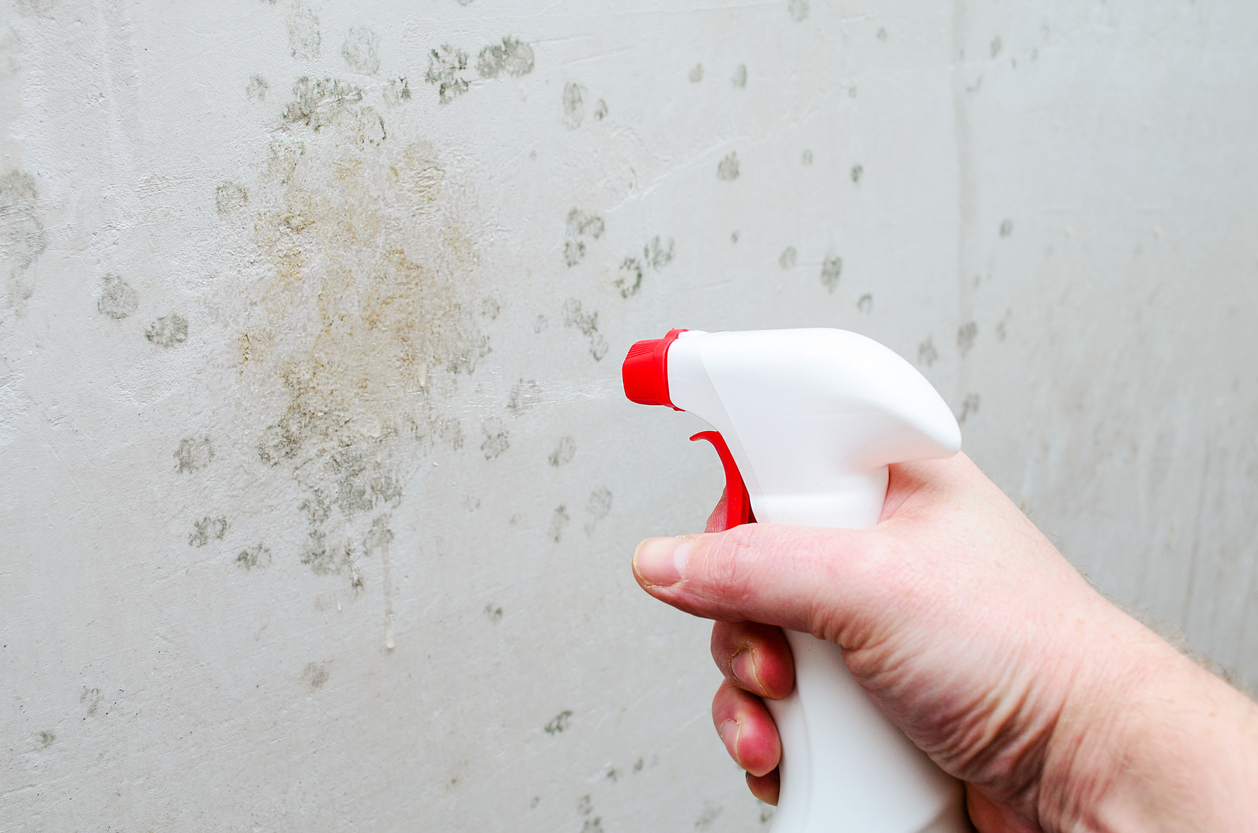
When those areas stay damp, businesses may deal with odors, material damage, or secondary issues after reopening, including mold growth, which can develop within 48 hours in wet commercial spaces. This is why proper drying matters as much as water removal.
Professional Drying and a Smart Recovery Plan
Removing visible water is only the beginning. A floor can look dry while moisture is still sitting underneath it or trapped inside nearby materials. Retail space water damage requires thorough drying, moisture level verification, and a repair sequence that matches how the business actually operates. A professional commercial water damage restoration team helps bring order to that process so important steps are not missed in the rush to reopen.
Retail spaces often contain materials that hold water longer than expected. Flooring systems, drywall, wood trim, shelving bases, cabinets, and stock room contents can all retain moisture after standing water is gone. If those materials stay damp, you may deal with odors, swelling, staining, or a second round of disruption later.
Professional drying may include water extraction, structural drying, dehumidification, moisture readings, thermal inspection, and disinfection based on the source of the water. Done properly, that work can protect materials, reduce odor concerns, and shorten unnecessary downtime.
Reopen in Phases to Reduce Downtime
Many stores can reopen in stages rather than waiting for every repair to be finished. That approach can be practical when some areas are ready for customers while other sections still need drying, repairs, or limited access.
That may mean opening entrances, checkout counters, and primary walkways first while work continues in contained areas. Some businesses choose to prioritize top-selling departments, customer service zones, or pickup areas so daily operations can resume in a useful way.
A phased reopening can help bring revenue back sooner while recovery continues in the background. It also gives staff a clearer picture of what is open, what is changing, and what comes next.
Prepare for the Next Water Event
Many businesses in Nashville and Middle Tennessee now treat water response planning as part of normal operations. It doesn’t need to be complex. A one-page plan with the right details can save hours of confusion when pressure is high.
Consider discussing a Storm Preparedness Plan (ERPP) with your restoration partner before an event occurs. Your internal plan should also include:
- Emergency contacts
- Shutoff valve and breaker locations
- Preferred restoration vendor
- Staff responsibilities during an incident
- Photo documentation steps
- Inventory protection priorities
- After-hours access instructions
Get Back to Business With Less Downtime
A flooded store can feel overwhelming in the first hour. Clear action changes the outcome. Make the space safe, document conditions, remove water quickly, and deal with hidden moisture before it grows into a larger issue.
If your business needs flooded store cleanup or commercial water damage restoration in Nashville, TN, or anywhere in Middle Tennessee, ASDT’s retail recovery team can help stabilize the property, guide the recovery process, and support a smoother reopening. Contact us today to get started.