
Property managers juggle a lot even on a good day; a water emergency multiplies the moving parts. The upside is there’s a clear path forward with the help of an experienced loss-restoration team.
Managing emergencies in high-rise apartment buildings presents unique challenges, especially when it comes to ensuring the safety and preparedness of residents living in apartments. These challenges are amplified during disasters, requiring specialized protocols and coordinated response efforts.
With six decades of expertise in large-loss restoration, insurance coordination, and pre-loss planning for commercial properties in Tennessee, ASDT understands how to swiftly and effectively tackle any restoration job.
Today, we’ll walk you through a quick, true-to-life example of how we took a condo tower’s multi-floor water loss from disaster to dry, documented, and back on track. Learn how we stabilized eight affected floors quickly and gain insight into what property managers can take away for the next “oh no” moment.
Disasters in high-rise buildings are part of a global challenge, and programs like the NASA Disasters Program promote the use of Earth observations to reduce risk and improve response during such events.
Project Snapshot
- Property type: Multi-story condominium tower (high-rise apartments present unique safety challenges for residents during emergencies)
- Location: Middle Tennessee
- Incident: Washing machine overflow on the 34th floor
- Impact: Eight floors affected, including common areas and multiple individual condos
- Primary services: Rapid extraction, 360/3D documentation, dehumidification, insurance coordination
High-Rise Emergency: Washing Machine Overflow on the 34th Floor
A single appliance failed on the 34th floor of a large condominium in one of our Tennessee service areas. Water traveled through ceilings and hidden utility shafts, residents stepped into wet corridors, and the homeowner’s association (HOA) needed a plan immediately. Such incidents can disrupt entire families living in high-rise apartments, affecting adults, children, and even pets.
When our team arrived, eight floors showed damage, with more units at risk if the moisture continued to migrate. The appropriate response depended on the specific circumstances of the emergency, requiring the HOA and property managers to determine the extent of the damage and the best course of action. High-rise building fire alarm systems are also required to have emergency voice communication capability to instruct occupants during emergencies.
Rapid Response & Coordination With HOA
Before the equipment was unloaded from the trucks, we aligned with the HOA and property manager. During that alignment, we gathered:
- Building rules
- Owner contacts
- Each unit’s insurance details
It is crucial to plan in advance for emergencies and ensure that assistance is available for residents who may need extra help, such as individuals with limited mobility or those requiring rescue during a high rise emergency escape.
When juggling multiple stakeholders and varying coverage limits, this upfront organization keeps decisions clear and approvals moving forward.
Tools like the NASA Disasters Portal provide advance access to critical Earth-observing datasets in standardized GIS format for local agencies, supporting more effective emergency response and preparedness.
Water Extraction & Structural Drying
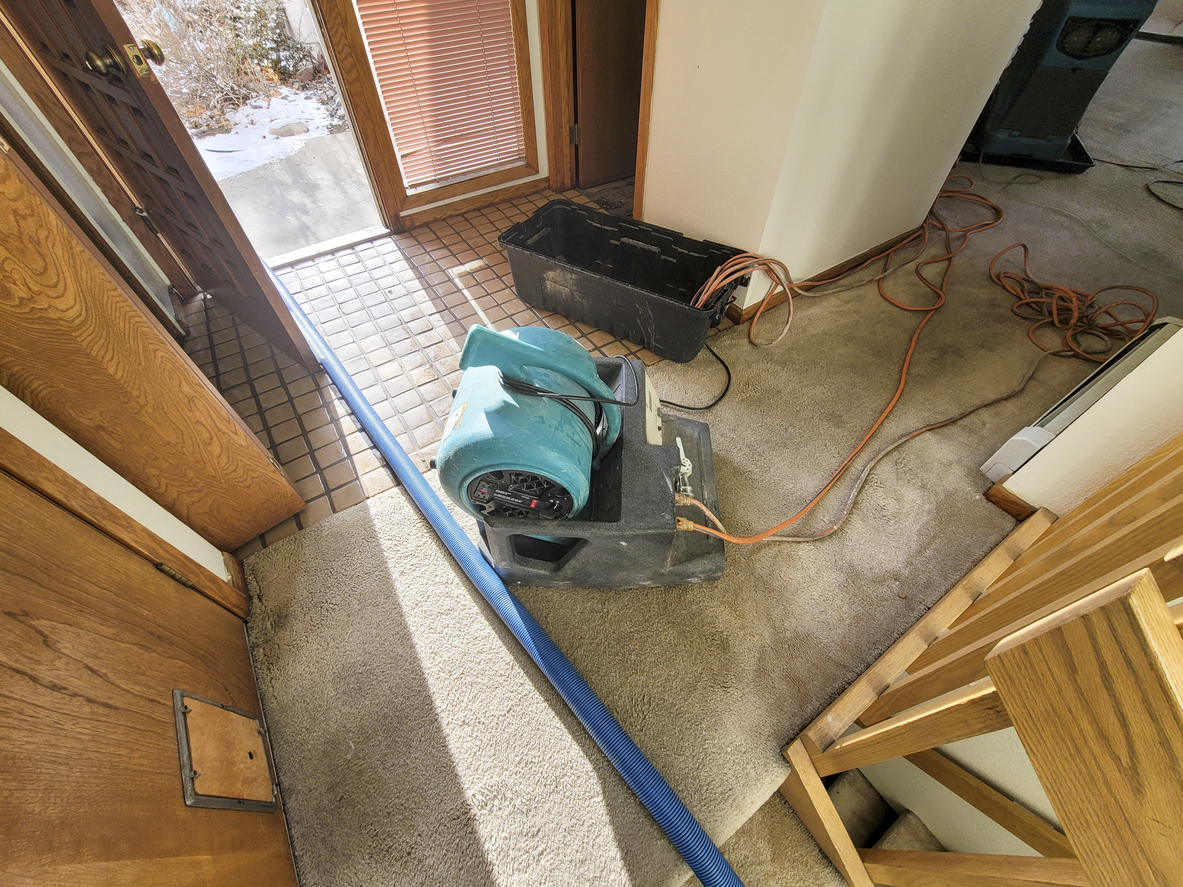
We split crews by floor and began immediate water removal in corridors and affected condos. We set containment to isolate wet zones, brought dehumidifiers and air movers for structural drying, and tracked readings as conditions changed. During emergencies, it is crucial to check for blocked exit routes and ensure all escape routes are accessible for safe evacuation. In the event of a fire, residents should locate all available exit stairs in advance, as the nearest one may be blocked by fire or smoke. Goal one was to stop the spread, stabilize the structure, and keep residents safe.
Safety Features and Equipment: The First Line of Defense
In high-rise buildings, robust safety features and equipment are the foundation of effective emergency response. A well-maintained fire alarm system is essential. These advanced fire alarm systems are designed to quickly detect smoke or heat, pinpoint the exact location of a fire, and immediately alert both high-rise building occupants and the fire department. Modern high-rise buildings also rely on integrated fire safety features such as sprinkler systems, smoke detectors, and fire-resistant construction materials to slow the spread of flames and protect lives.
High-rise building safety depends on more than just alarms. Clearly marked exit stairs and accessible emergency exits ensure that occupants can evacuate safely, even if elevators are out of service during an event. Regular inspection and maintenance of all safety equipment, including fire extinguishers, exit doors, and emergency lighting, is critical to ensure everything functions when it matters most. By prioritizing these safety features, high-rise building occupants and property managers can be confident that their building is prepared to respond to emergencies and protect everyone inside.
360/3D Imaging for Insurance
While mitigation was underway, we captured 360-degree and 3D visuals and built moisture maps. This step-by-step process of documentation became a single source of truth for owners, adjusters, and the HOA, streamlining insurance claims by reducing questions, shortening explanations, and speeding up claim decisions.
Similarly, the NASA Disasters Program aids decision-making during disasters by providing critical imagery, data, and analysis to stakeholders, highlighting the value of comprehensive visual documentation in emergency response and recovery.
Policy & Coverage Alignment
Because we collected policy information at the start, we were able to align work orders with coverage and limits immediately. It is important to note that insurance policies and building codes can vary by country, which affects how coverage and response are managed. Conversations about scope stayed grounded in documented conditions, helping the project move cleanly from extraction to dehumidification to rebuild planning.
Collaboration between agencies is also crucial for effective disaster response. For example, the NASA Disasters Program works with local governments and agencies to deliver critical data and analysis during disasters.
Results: Multi-Floor Stabilization & Long-Term Client Trust
The building returned to routine operations. The HOA has continued to partner with us for years, and many individual owners have subsequently hired us for their workplaces and investment properties after seeing our response firsthand.
The details of emergency response and recovery matter for long-term safety and trust. For example, many high-rise emergency escape systems use materials that can reflect up to 95% of radiant heat, protecting users during descent.
Key Takeaways for Property Managers & HOAs
Here are the simple moves that kept this high-rise water damage recovery on track and can do the same for your property:
- Collect insurance details early to remove bottlenecks.
- Use 360/3D documentation to shorten approvals and reduce disputes.
- Stabilize first with rapid extraction and dehumidification to prevent secondary damage.
- Practice emergency drills regularly so all occupants are familiar with evacuation plans and escape routes.
- Building management should conduct annual fire drills to prepare residents for emergencies.
- Put these steps into your playbook now, and you’ll move faster from alarm to action the next time a loss hits.
Turn Lessons Into a Plan: ERPP for Commercial Properties
The condo tower incident showed that fast action and clear roles cut downtime. Emergency response planning is grounded in science and data, using scientific studies and applied research to inform effective disaster management strategies. ASDT’s emergency response planning (ERPP) turns that into a repeatable system for Nashville and Middle Tennessee commercial buildings, multifamily communities, and HOAs alike. ERPPs allow emergency response and water damage restoration to start on cue and keep recovery organized. High-rise emergency escape systems are designed to operate effectively when interior stairwells are compromised by smoke or fire or are inaccessible due to congestion.
Before the Loss: Reserve Resources & Align Decisions
We pre-reserve crews and equipment for your property, confirm contacts, and align pricing and scope with your insurer. That way, insurance authorizations are ready, and mobilization can start the moment you call.
High-rise residents need to be familiar with their building’s emergency plans and layout, as familiarity can lead to quicker and more confident responses during an emergency. Residents should also take time to familiarize themselves with the safety features of their building, including fire alarms, sprinklers, and evacuation plans.
During the Loss: Follow a Simple, Site-Specific Playbook
Your plan includes key contacts, access and shut-offs, staging routes, and standardized documentation. On arrival, we set containment, begin extraction and structural drying, capture 360-degree/3D records, and keep stakeholders informed.
In some situations, occupants may need to wait for assistance rather than evacuate immediately, especially if conditions are unsafe. If occupants of high-rise buildings cannot self-evacuate or use the stairs during an emergency, they may need to shelter in place until help arrives.
The result is a coordinated emergency response plan that reduces secondary damage, supports cleaner insurance claims, and gets Tennessee properties back to normal faster.
Community Involvement in Safety Initiatives
Creating a culture of safety in high-rise buildings starts with community involvement. When occupants, building management, and local responders work together, they can identify potential hazards and develop effective strategies to address them. Regular fire drills, safety workshops, and open communication channels empower everyone to recognize risks and respond appropriately in emergencies.
Encouraging high-rise building occupants to report safety concerns and participate in preparedness activities helps create a proactive environment. Community involvement also means supporting local firefighters and emergency responders by providing them with up-to-date information about the building’s layout, fire safety features, and access points. By working as a team, the entire high-rise community can strengthen its resilience, improve emergency response, and ultimately save lives when disaster strikes.
Complex Property Loss Demands a Coordinated, Expert Response
In this high-rise incident, speed, clarity, and alignment turned a multi-floor loss into a controlled recovery. First responders play a critical role in coordinating emergency response, ensuring that building-specific information and safety measures are effectively utilized. Emergency personnel can also broadcast specific messages to occupants in high-rise buildings during an emergency to guide their actions. The through-line is simple: coordinate stakeholders early, document once for everyone, and move decisively from stabilization to rebuild with insurance and safety in sync.
Certification and Compliance: Meeting Industry Standards
High-rise buildings are held to rigorous safety standards to ensure the well-being of all occupants. Compliance with local building codes, fire protection regulations, and international standards is not just a legal requirement;
It’s a critical part of high-rise building safety. Certification programs, such as those from the National Fire Protection Association (NFPA), help verify that buildings meet or exceed these standards for fire protection and emergency preparedness.
Regular inspections and audits are essential to confirm that all safety systems are up to date and functioning correctly. This includes evaluating fire alarm systems, evacuation routes, and structural resilience against events like fires or earthquakes. By maintaining certification and compliance, high-rise buildings demonstrate a commitment to safety, provide peace of mind for occupants and responders, and ensure that evacuation and emergency procedures are effective when every second counts.
Get Property Restoration Services & ERPP Support Throughout Middle Tennessee
Ready to put that coordination to work for your Tennessee property? An ERPP makes that playbook ready before the next call. Contact us to set up your ERPP and rapid-response plan so you can move from alarm to action without losing minutes. Innovative solutions like the SkySaver emergency evacuation backpack offer safe, controlled descent from high-rise buildings, ensuring occupants reach the ground safely during emergencies.
Facing property damage already? Call us for water damage restoration, fire damage restoration, or mold remediation in Nashville, Franklin, Murfreesboro, or any of our service areas in Tennessee. After an emergency, restoring your property to a safe, ground-level state is essential for long-term safety and peace of mind.
Trust ASDT to Protect & Restore Your Property in Tennessee
Trust ASDT to protect your investment before disaster strikes and restore it when the unexpected happens. Our commitment to high rise emergency escape system solutions not only strengthens local emergency preparedness but also contributes to building a safer world through global disaster resilience efforts. The NASA Disasters Program, for example, leads global risk assessment initiatives and promotes the use of Earth observations to reduce risk and improve response during disasters worldwide. Contact us today to learn more about our ERPP services or get 24/7 emergency restoration support near Murfreesboro, Franklin, Springhill, Brentwood, Smyrna, or Thompson’s Station.