
If your home has storm damage, you shouldn’t wait more than 24–48 hours to schedule a mold inspection. That’s the window before mold can begin growing in damp materials.
Here in Tennessee, storms come and go, but heat and humidity stick around. That leftover moisture can settle into drywall, flooring, and insulation, creating the perfect environment for mold to grow out of sight.
If you wait too long, what starts as a small moisture issue can turn into a bigger repair, a longer mold remediation timeline, and even problems with your insurance claim. Let’s walk through what to expect and how fast you should act.
At a Glance: How Long Can You Wait for a Mold Inspection After a Storm?
- Mold can begin growing within 24–48 hours after water damage.
- Schedule a mold inspection within 1–3 days to catch hidden moisture early.
- Waiting increases damage and extends your mold remediation timeline.
- Delays may impact whether homeowners insurance covers mold.
- Fast action helps protect your home, air quality, and budget.
How Fast Does Mold Grow After a Storm?
Mold growth starts faster than most homeowners expect, especially in Tennessee’s warm, humid climate.
After a storm, water doesn’t just sit on surfaces. It seeps into porous materials like drywall, wood, and insulation. Even when things feel dry, moisture can stay trapped inside. That’s where mold spores begin to grow.
What the Timeline Looks Like
- Within 24–48 hours: Mold can begin forming.
- By day 3: Growth spreads beneath surfaces.
- Within a week: Mold may become visible or produce odors.
- After that: It spreads deeper into materials and air systems.
By the time you notice a musty smell, mold has usually already spread. That’s why scheduling a mold inspection within the first day or two after storm damage is so important—it gives you the best chance to catch hidden moisture behind walls or under flooring before it leads to a longer mold remediation timeline.
How Long Is Too Long to Wait for a Mold Inspection
Once water enters your home, the clock starts ticking.
The safest time to schedule a mold inspection is within the first couple of days. After that, moisture has more time to settle deeper into materials, which increases the chance of hidden mold growth.
A Simple Timing Guide
- Day 1–2: Best time to inspect and assess moisture.
- Day 3: Still manageable, but the risk is increasing.
- After 1 week: Mold likely spreading beyond the original area.
- After 2+ weeks: More extensive damage and longer remediation.
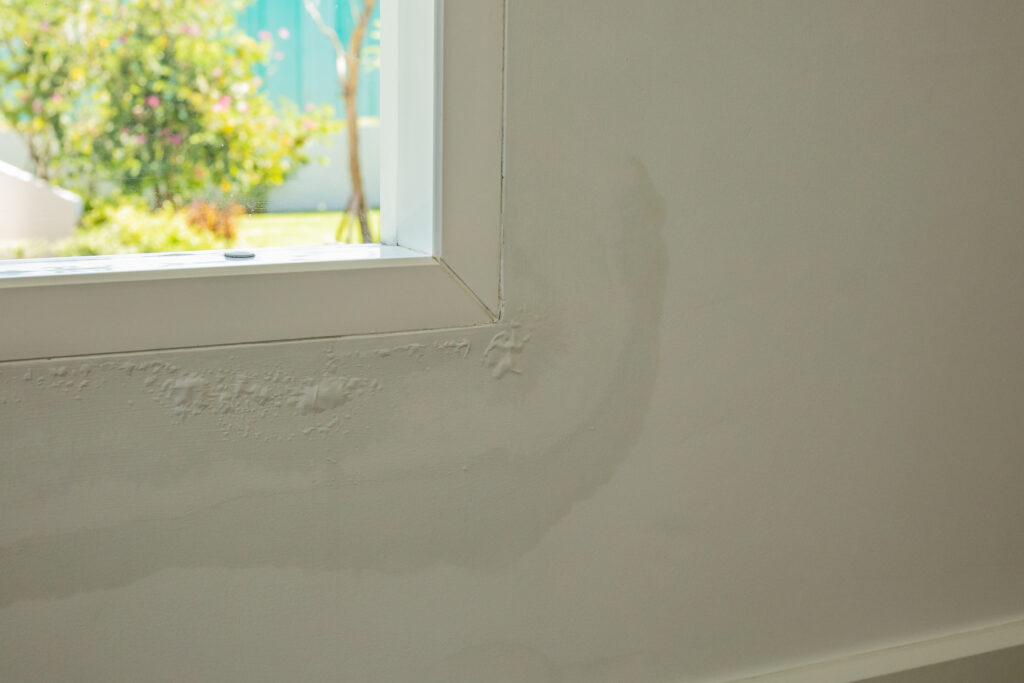
Even if everything looks dry, moisture can remain inside walls, subflooring, and insulation.
What Happens If You Wait Too Long
Waiting gives mold time to spread, and that changes everything.
Mold doesn’t stay in one place. It can move through walls, ceilings, and even your HVAC system. As it spreads, it becomes harder to remove and more disruptive to fix.
You may start with a small moisture issue, but over time, it can lead to structural damage, stronger odors, and more areas needing repair. Cleanup becomes more invasive, and your mold remediation timeline gets longer.
Does Homeowners Insurance Cover Mold After a Storm?
In many cases, homeowners’ insurance may cover mold if it results from a sudden event like storm damage. The key factor is how quickly you respond.
Insurance providers expect you to take reasonable steps to prevent further damage. That includes scheduling a mold inspection, documenting the issue, and starting remediation if needed.
If you wait too long, they may determine that the damage worsened due to inaction.
What Happens During a Mold Inspection
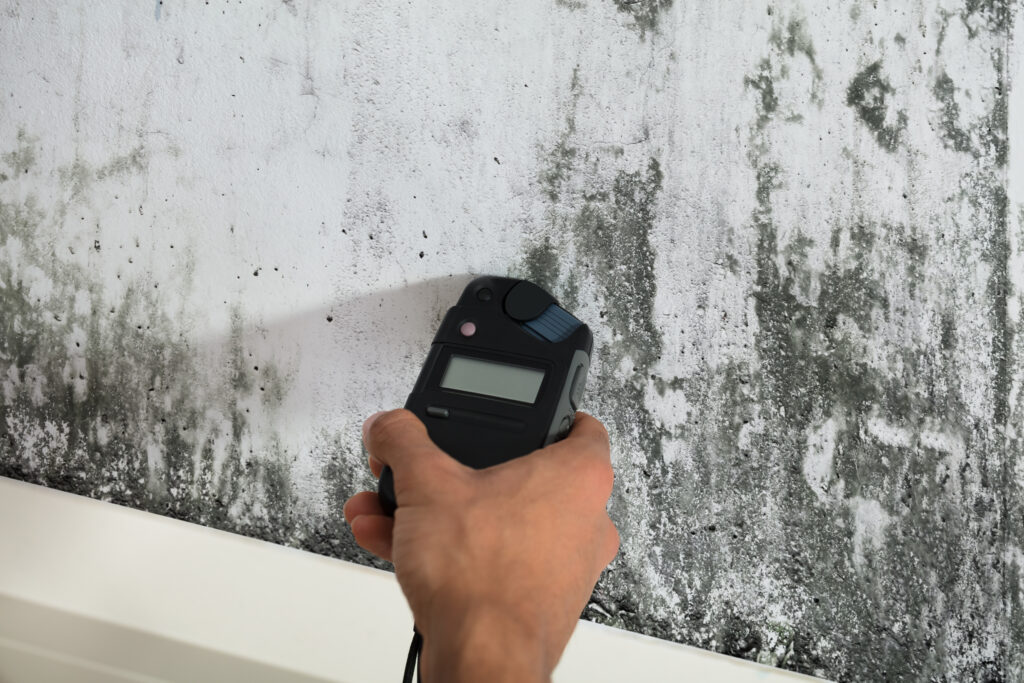
A professional mold inspection focuses on what you can’t see.
Technicians check for hidden moisture and early mold growth using specialized tools. This includes moisture meters, thermal imaging, and air or surface sampling.
The goal is to locate the source of moisture, identify affected areas, and give you a clear plan for next steps. Early detection helps keep the problem contained and easier to fix.
Acting Fast Matters More Than You Think
It’s easy to assume you have time after a storm, especially when the damage doesn’t look severe. But mold can start forming within just a couple of days. That’s why acting quickly matters; it helps limit damage, protect your indoor air quality, and keep your mold remediation timeline manageable.
Scheduling a mold inspection within 24–48 hours gives you a chance to catch problems early, before they spread. Taking that step now can save you a lot of stress later, and it gives us at Advanced Structural Drying the opportunity to help you stay ahead of more serious damage.
Schedule an Expert Mold Inspection After Storm Damage With Advanced Structural Drying Technologies in Nashville
If your home has taken on water, now’s the time to act. A professional inspection can find hidden moisture, stop mold from spreading, and help you avoid costly repairs.
Contact Advanced Structural Drying Technologies to schedule your mold inspection and get clear answers about what’s happening inside your home.
Contact us today to schedule an assessment or get 24/7 professional structural drying and restoration support in Murfreesboro, Franklin, Springhill, Brentwood, Smyrna, or Thompson’s Station.