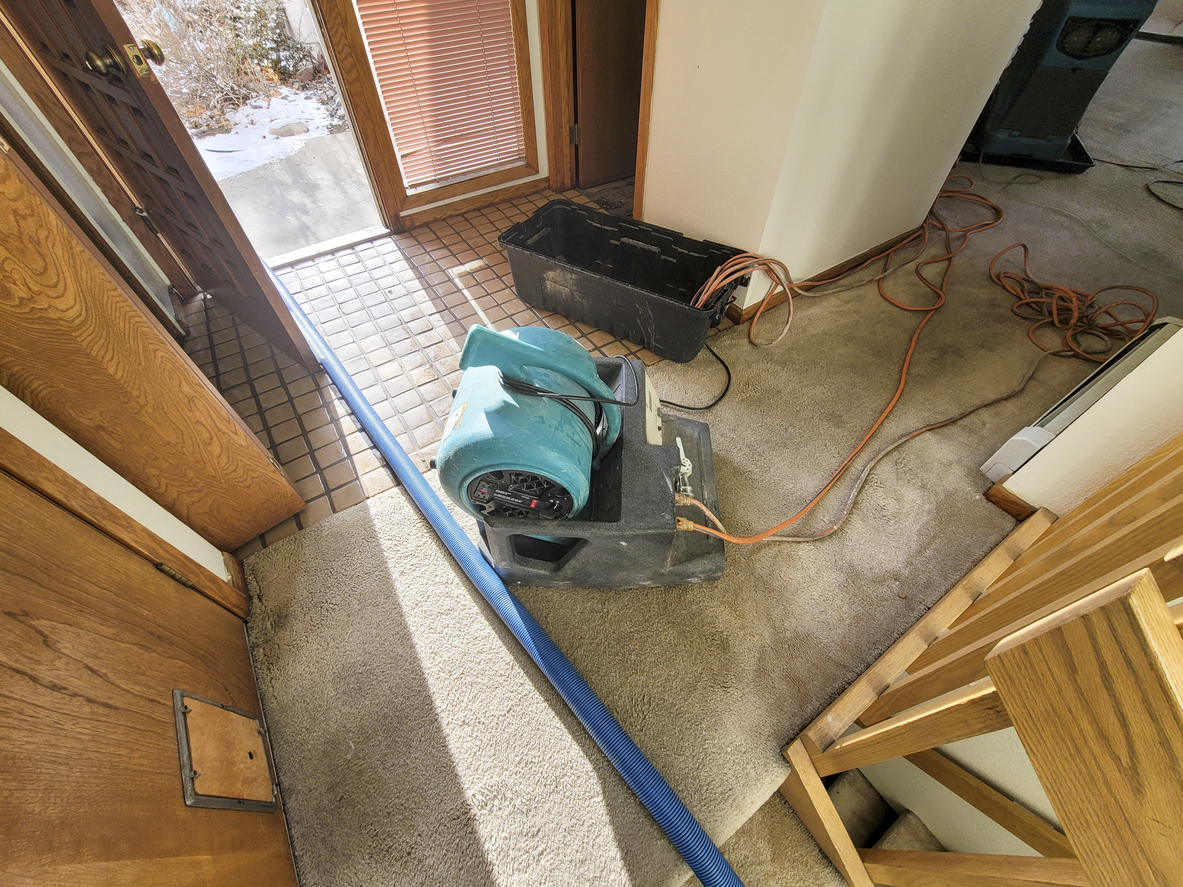

Restoration work has changed dramatically in recent years. Builders, insurers, and facilities managers now expect faster turnaround times, accurate documentation, and verifiable data that proves what was wet, what was dry, and what action was taken. Traditional inspection methods take longer and often rely on guesswork, which increases project costs and delays approvals. Today, traditional approaches are being replaced by advanced technology and innovative restoration technologies that define the industry, offering state-of-the-art equipment, digital solutions, and smart systems for improved efficiency and outcomes. Modern restoration requires technology that can detect moisture accurately, capture floor plans quickly, and document every step of the job. Advanced restoration technology allows for faster turnaround times and accurate documentation.
At Advanced Structural Drying Technologies, we meet those expectations with tools that help you make better decisions from the start. These advanced tools support a thorough initial assessment, enabling teams to save time and improve accuracy right from the beginning of the project. Whether you manage commercial properties, oversee construction projects, or handle insurance claims, you need information you can trust. Our next-generation restoration technology allows us to diagnose issues quickly, prevent unnecessary tear-out, and deliver faster recovery for clients across Tennessee.
At a Glance
- Thermal imaging identifies hidden moisture accurately and early.
- iGuide and blueprinting tools improve scoping for builders and adjusters.
- Non-destructive leak detection keeps repairs targeted.
- Advanced drying equipment speeds recovery and lowers overall cost.
- Advanced technology, including AI tools and smart systems, helps save time by streamlining restoration processes and improving efficiency.
- Mobile documentation platforms and cloud-based mobile applications enable real-time updates and instant communication from the field during restoration projects.
- Smart drying systems automatically adjust based on real-time conditions to enhance drying efficiency.
- Technology-driven restoration reduces downtime and avoids unnecessary demolition.
Why Technology Defines Modern Restoration
Restoration used to depend heavily on manual measurements and visual inspection. These traditional approaches often slowed down recovery and left uncertainty about the true extent of moisture inside a structure. Today, the adoption of advanced technology and restoration technologies—such as state-of-the-art equipment and digital solutions—has significantly improved process efficiency and property recovery outcomes.
Today, builders and insurers expect fast, data-backed answers that support claims, scopes, and project decisions. Modern technology makes this possible by giving you clear insight into moisture movement, hidden leaks, and affected materials before the damage spreads. Restoration technology combines AI, drones, and specialized equipment to speed up recovery, improve accuracy, and lower costs.
Tools like moisture mapping, thermal imaging, and digital blueprinting allow us to gather complete information during the first visit. That means fewer surprises, fewer delays, and fewer disputes between project stakeholders.
Technology also helps reduce costs by identifying the exact areas that need drying or repair, not unnecessary sections that would have been removed under older inspection methods. When you have accurate data up front, the entire restoration process becomes faster and more predictable. AI-powered tools like Large Language Models (LLMs) are also transforming how restoration professionals approach problem-solving and day-to-day operations.
Thermal Imaging for Faster and More Accurate Diagnostics
Thermal imaging is one of the most valuable tools in modern restoration. It allows us to detect temperature differences inside walls, floors, and ceilings that often signal hidden moisture. Instead of guessing where water traveled after a leak, we can see the full pattern of moisture spread in seconds. This speeds up diagnostics and helps you plan the next steps with confidence. Thermal imaging plays a crucial role during the initial assessment phase of restoration, providing accurate, real-time documentation and data collection to guide the project from the very start.
Thermal imaging is also a powerful way to reduce unnecessary demolition. By pinpointing exactly where the moisture is, we limit tear-out to the affected areas only. This keeps your repair costs lower and helps commercial properties return to operation faster.
As a non-destructive inspection method, thermal imaging gives builders, insurers, and facilities managers the clarity needed for accurate scoping and efficient recovery. Smart sensors and real-time monitoring systems further enhance early detection and damage control, supporting better outcomes throughout the restoration process.
iGuide and Blueprinting Systems That Improve Scoping and Claims
Accurate measurements are essential during any restoration project, especially in commercial and multi-unit buildings. Our iGuide and blueprinting systems create precise digital floor plans that allow you to see the full scope of the affected areas.
These tools capture dimensions quickly and allow us to map moisture readings directly onto the structure. This helps builders create more accurate work orders and gives insurers cleaner documentation for approvals. By providing detailed mapping, these systems help preserve original materials by minimizing unnecessary removal during restoration.
With digital layouts, every stakeholder sees the same information. Adjusters can verify loss areas, project managers can confirm materials and square footage, and builders can estimate labor more accurately. Clear documentation reduces disputes and speeds up the approval process, which shortens the overall project timeline.
Having a reliable blueprint from the beginning lets you eliminate guesswork and support more cohesive collaboration. 3D scanning technology also captures accurate representations of structures and artifacts, ensuring restorations are based on precise data.
Non-Destructive Leak Detection That Prevents Unnecessary Damage
Finding the source of a water intrusion can be difficult without the right tools. Traditional methods often require cutting into walls or ceilings to locate the leak.
Our non-destructive inspection approach uses moisture mapping, acoustic listening devices, and thermal variation scanning to pinpoint the problem without removing materials. This saves you time, limits property disruption, and prevents unnecessary repairs. Similar non-destructive methods are also essential in fire damage assessment and restoration, where advanced technology helps evaluate affected areas and guide effective mitigation.
Accurate leak detection is especially valuable for facilities managers and insurers who need defensible data. When we identify the problem quickly, we prevent additional damage and reduce overall claim costs. You get a clear understanding of what needs to be repaired and what can stay intact. During restoration, advanced HEPA filtration systems are used to ensure safe air quality and prevent cross-contamination.
Cutting-Edge Technology Lowering Costs for Builders & Insurers
Structural drying is where many restoration projects lose time and money. We use advanced equipment, including LGR dehumidifiers and high-efficiency air movers, to remove moisture faster and with greater control. Our smart drying systems automatically adjust based on real-time conditions to enhance drying efficiency, leveraging advanced technology to optimize the process. These systems allow us to stabilize the environment quickly and create predictable drying conditions that reduce the risk of secondary damage.
For large-scale or multi-floor losses, we design custom drying plans that match the structure’s unique layout. Controlled drying helps limit material removal, reduce labor hours, and shorten business interruptions. Builders appreciate the faster project turnover, and insurers benefit from lower claim costs.
Smart Restoration for High Volume Projects
Restoration projects are more complex than ever, and technology is now the key to faster, more accurate results. In emergency response situations, disaster restoration companies use GPS technology to quickly coordinate and optimize response efforts during emergencies. When you work with Advanced Structural Drying Technologies, you gain access to tools that remove guesswork and provide clear data for planning, approvals, and repairs. Our advanced systems allow you to protect your property, reduce downtime, and keep costs under control.
Sustainability and Eco-Friendliness in Restoration
The restoration industry is undergoing a technological revolution, with sustainability and eco-friendliness now at the forefront of modern restoration projects. Restoration professionals are increasingly adopting environmentally friendly methods, from using green cleaning agents to implementing waste reduction and recycling initiatives. These practices not only protect the environment but also enhance the safety and well-being of occupants in both residential and commercial properties.
Cutting-edge technology, such as laser cleaning, is transforming the restoration process by minimizing the use of harsh chemicals and reducing waste. By integrating these advanced solutions, restoration companies can lower claim costs and demonstrate a commitment to responsible business practices. Sustainable restoration methods are becoming crucial for companies looking to future-proof their operations and build trust with clients. As the restoration industry continues to evolve, eco-friendly approaches will play a vital role in shaping the future of restoration, ensuring that projects are both effective and environmentally responsible.
Predictive Maintenance and AI-Driven Solutions
Predictive maintenance is redefining the restoration process by allowing restoration professionals and project managers to anticipate and address potential issues before they escalate. Leveraging AI-driven solutions, companies can analyze historical data and real-time updates to identify patterns and predict where problems might arise. This proactive approach enables teams to take preventive action, reducing the risk of additional damage and keeping restoration projects on track.
By integrating predictive maintenance into their workflow, restoration professionals can optimize resource allocation, improve response times, and deliver more effective restoration outcomes. The use of AI-driven solutions not only minimizes costs but also enhances customer satisfaction by preventing future disasters and ensuring a smoother recovery process. As the restoration industry embraces these innovations, predictive maintenance will become an essential tool for managing projects efficiently and safeguarding properties against unforeseen challenges.
The Role of Monitoring Systems in Restoration Projects
Advanced monitoring systems have become indispensable in the restoration industry, providing restoration professionals and project managers with real-time updates and actionable insights throughout the restoration process. These systems continuously track key environmental factors such as temperature, humidity, and moisture levels, enabling technicians to respond quickly to any changes and prevent further damage.
Effective monitoring not only ensures that drying and remediation efforts are on target but also streamlines communication among all stakeholders, including clients and insurance adjusters. By leveraging these systems, restoration companies can improve efficiency, reduce project costs, and deliver higher quality results. Real-time data empowers teams to make informed decisions, maintain control over the restoration environment, and keep clients updated every step of the way.
The Benefits of Digital Transformation in Restoration
Digital transformation is revolutionizing the restoration industry, equipping restoration professionals with powerful tools to manage projects more effectively. Technologies like moisture mapping and thermal imaging generate precise digital models of affected areas, allowing for better decision-making and more accurate scoping. These digital tools streamline the restoration process by reducing paperwork, enhancing communication, and fostering collaboration among project managers, clients, and insurers.
With real-time updates and seamless information sharing, restoration companies can reduce claim costs, improve efficiency, and deliver more effective restoration outcomes. Digital transformation not only accelerates the recovery process but also ensures that every stakeholder has access to the data they need to make informed choices. As the industry continues to embrace digital solutions, companies that invest in these technologies will be better positioned to meet the demands of modern restoration projects.
The Future of Restoration Technology
The future of restoration technology is bright, with innovations poised to transform the entire restoration process. Restoration professionals are increasingly turning to cutting-edge technology such as desiccant systems and advanced drying technology to improve efficiency and effectiveness. Tools like drones and high-resolution cameras are making it easier to access hard-to-reach areas and detect hidden moisture, ensuring that no detail is overlooked.
Emerging advancements in predictive analytics and AI-driven solutions promise to further enhance the restoration industry, enabling more accurate forecasting and proactive management of restoration projects. Environmentally friendly methods and systems will continue to gain traction, helping companies reduce waste and minimize their environmental footprint. As technology evolves, restoration professionals who embrace these new tools and methods will be able to deliver faster, safer, and more cost-effective solutions for their clients. The integration of cutting-edge technology is not just a trend—it’s a crucial step toward a more efficient, sustainable, and client-focused future for restoration.
Leading Restoration Technology in Tennessee
When you need a restoration partner who brings precision, speed, clarity, and transparency to your project, ASDT is ready. We deliver next-gen diagnostics and structural drying solutions for residential and commercial properties across Tennessee. Start a conversation online, or call us at 615-207-3877 when you’re ready.