Indoor air quality has moved to the forefront of commercial property management. Indoor air quality (IAQ) refers to the air quality within and around buildings and structures, especially as it relates to the health and comfort of building occupants. When tenants search for “IAQ testing near me,” they expect fast, reliable results from a certified partner. In the post-COVID era, occupants demand fresh air, clean ventilation systems, and transparency around potential contaminants. Testing your indoor air quality is an essential step toward creating a safer, healthier living environment. Air pollution is a key concern for commercial properties, as it can contribute to health risks and premature deaths; commercial IAQ testing helps identify sources of air pollution and supports efforts to improve indoor environments.
At Advanced Structural Drying Technologies, we provide comprehensive IAQ assessments, mold testing, and remediation tailored to hotels, office towers, and mixed-use developments. LEED-certified buildings and LEED-certified spaces prioritize indoor air quality by using fewer resources, ensuring good IAQ through adequate ventilation, filtration, and cleaning, and reducing pollutants and contaminants. Let’s take a look at what IAQ is, and why it even makes a difference, then we’ll dig into some of the leading sources of IAQ complaints. Before we wrap up, we’ll go over some mold-prevention best practices and even some ways to be proactive.
Why IAQ Matters in a Post-COVID World
Recent building retrofits reflect a shift in priorities. Owners of high-rise offices and hospitality properties now factor air quality into every renovation decision. Tenants expect MERV-13 or higher filtration and increased fresh air exchanges.
Immediate symptoms of poor indoor air quality (IAQ) can include headaches, fatigue, and irritation of the eyes, nose, and throat.
Building operators face liability risks if poor ventilation leads to occupant complaints or health incidents. Lawsuits related to mold in hotel guest rooms or office common areas can lead to costly downtime, damage to brand reputation, and loss of revenue. Prolonged exposure to indoor air pollutants can lead to severe diseases like heart disease or cancer.
Investing in IAQ testing and system upgrades demonstrates a commitment to occupant well-being. Certified IAQ professionals evaluate airflow rates, measure particulate levels, and detect microbial contaminants. Results inform targeted interventions such as HVAC cleaning, duct sealing, or installation of ultraviolet germicidal irradiation. A Harvard University study found that employees in buildings with low VOC and CO₂ levels had cognitive scores 61% to 101% higher than those in conventional environments, and improved air quality can reduce employee sick days by up to 35% while mitigating presenteeism. Elevated CO₂ levels can cause a 50% decline in decision-making performance at concentrations above 1,400 ppm.
If you suspect the presence of harmful substances or if DIY tests provide unclear results, it is essential to seek professional help. Professionals conduct a comprehensive analysis using specialized equipment and provide targeted recommendations based on their findings.
In today’s market, a proactive IAQ strategy not only enhances occupant satisfaction but also differentiates your property, making it more attractive to tenants and investors. Early identification and correction of air quality issues reduces complaints and limits exposure to potential legal claims. Professional services can also assist in developing a comprehensive indoor air quality management program.
Biggest Sources of IAQ Complaints and Mold Risk
1. HVAC System Faults
Faulty HVAC components are a leading cause of indoor air quality issues in commercial buildings. HVAC assessment should include inspection for adequate outdoor air ventilation, proper filtration, and clean air ducts according to ASHRAE guidelines. Worn blower motors, clogged coils, unbalanced ductwork, and dirty air ducts reduce airflow and allow particulates to accumulate in return plenums. Inadequate filtration allows dust and allergens to circulate.
Proper filtration in a LEED-certified building removes contaminants from outdoor air that comes inside, improving indoor air quality. Natural or HVAC ventilation provides an adequate supply of fresh outdoor air to remove contaminants generated by occupants and processes. Inadequate ventilation increases indoor pollutant levels by not bringing in enough outdoor air to dilute emissions from indoor sources.
Over time, moisture condenses on coil surfaces and drip pans, creating a breeding ground for mold. Routine inspection and maintenance of fans, coils, filters, and air ducts helps prevent these problems before they affect occupants.
2. Hidden Moisture Intrusion
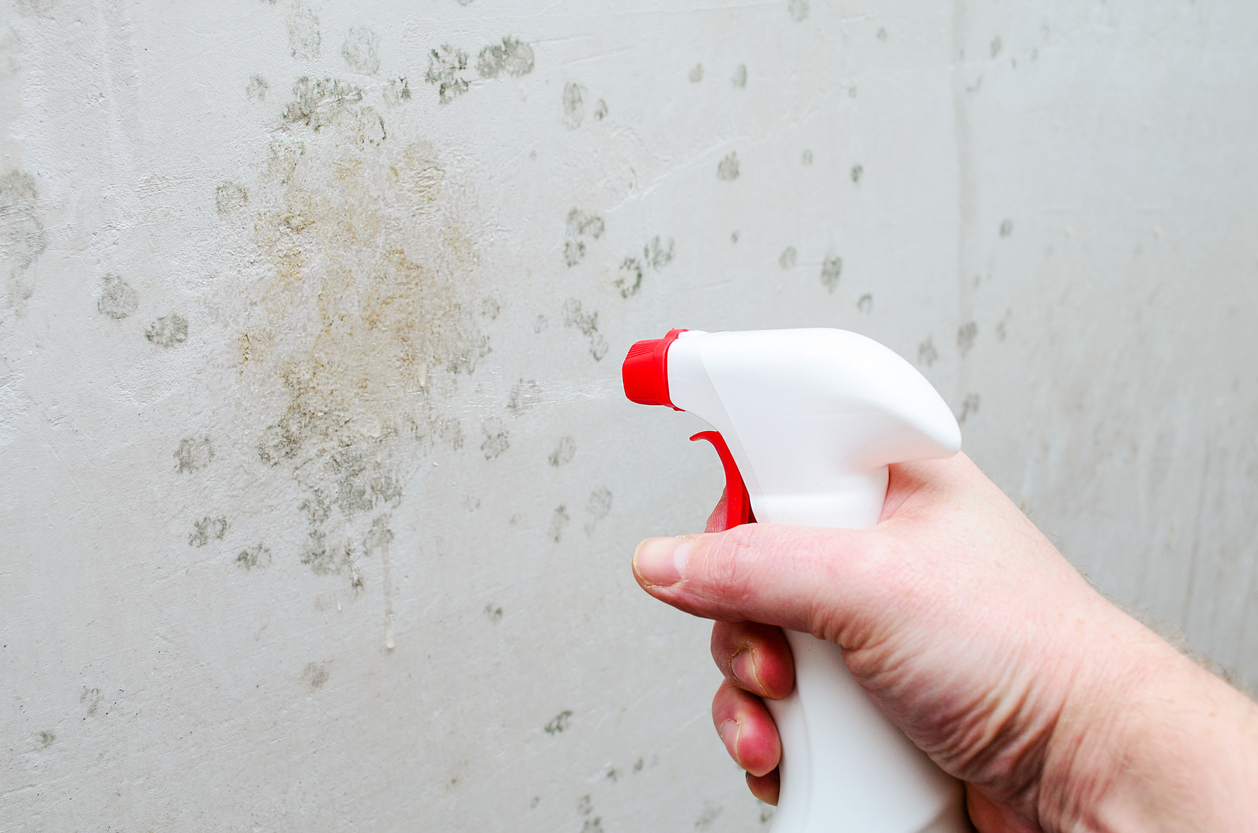
Water intrusion from leaks in roofs, window seals, or plumbing often goes unnoticed behind walls and above ceilings. These concealed wet areas can support extensive mold growth before any visible signs appear. Hidden moisture can also lead to microbial contamination, which should be addressed promptly to maintain a healthy indoor environment.
Thermal imaging cameras and moisture meters are essential for detecting temperature anomalies and elevated moisture levels in building assemblies. Early detection allows targeted repairs to the building envelope and removal of mold without large-scale demolition. Sealing cracks around foundations and windows is also important to prevent moisture intrusion and radon entry, as radon is a radioactive gas that can enter homes through foundation cracks and is responsible for thousands of lung cancer deaths each year.
3. Aging Insulation and Building Materials
Older insulation and porous materials like gypsum board lose their moisture resistance over time. Fiberglass and cellulose insulation can trap humidity, while failing vapor barriers allow water vapor to migrate into wall cavities.
As these materials degrade, mold spores colonize insulation fibers and spread into surrounding structures. Bulk material samples can be analyzed to detect mold and other biological contaminants in building materials, providing a more accurate assessment of contamination levels. Upgrading to closed-cell spray foam or rigid board insulation during retrofits reduces moisture retention and lowers the risk of hidden mold.
4. High-Rise and Hospitality Challenges
Tall buildings and hotels face unique airflow and moisture control challenges. Stack effect drives air and contaminants to upper floors, while centralized HVAC systems risk cross-contamination between guest rooms or tenant suites.
In addition to airflow and moisture control, construction practices, HVAC systems, and building layout are key strategies emphasized in LEED certification to ensure acceptable indoor air quality.
High occupant turnover in hotels increases humidity loads from bathrooms and kitchens. Balancing supply and return air, installing localized dehumidification in guest corridors, and using antimicrobial coatings on duct interiors are critical strategies to maintain healthy air in high-rise and hospitality settings.
The Importance of Occupant Feedback
Occupant feedback plays a pivotal role in maintaining optimal indoor air quality (IAQ) in both commercial buildings and residential spaces. Building occupants are often the first to notice symptoms of poor indoor air quality, such as allergic reactions, asthma attacks, or persistent odors, which can signal underlying issues like mold growth, excessive moisture, or the presence of volatile organic compounds (VOCs). By actively encouraging feedback, facility managers and building owners gain valuable insights into potential air quality issues that may not be immediately apparent through routine inspections or automated air quality monitors.
When occupants report concerns, whether it’s increased respiratory problems, skin irritation, or visible signs of mold, these observations can prompt timely IAQ testing and targeted air sampling. This proactive approach helps identify specific air contaminants, such as mold spores, dust mites, pet dander, or airborne chemicals, that may be contributing to adverse health effects. With this information, IAQ professionals can conduct comprehensive microbial testing and develop tailored strategies to improve indoor air quality, such as adjusting humidity levels, enhancing ventilation, or deploying air purifiers with activated carbon filters to reduce VOCs and other pollutants.
The Environmental Protection Agency (EPA) underscores the importance of occupant involvement in IAQ management. Regular surveys, educational initiatives, and open channels for reporting air quality issues empower building occupants to participate in creating a healthy and safe environment. In LEED-certified buildings, occupant feedback is especially valuable for maintaining a healthy interior space and ensuring ongoing compliance with energy and environmental design standards.
Incorporating occupant feedback into IAQ protocols also supports regular maintenance of HVAC systems and air quality monitors, ensuring accurate readings and early detection of poor ventilation or specific pollutants like particulate matter. By working closely with IAQ professionals, building owners and managers can gain detailed insights into the indoor environment and implement effective solutions to prevent mold growth, reduce the risk of lung cancer and other health problems, and foster a productive, comfortable atmosphere for everyone.
Ultimately, prioritizing occupant feedback not only helps prevent costly mold remediation and air quality issues but also demonstrates a commitment to the well-being of all building occupants. By integrating feedback into ongoing IAQ testing and maintenance routines, commercial buildings can achieve healthier, safer, and more resilient indoor environments.
Mold Testing and Remediation Best Practices
Commercial Mold Testing Protocols
Reliable professional mold testing begins with a well-defined sampling plan that targets areas of concern based on visual inspection and occupant complaints. Inspectors establish background sampling in unaffected zones to compare spore counts.
They follow ASTM standards for the number and location of air and surface samples. Documenting the chain of custody for each sample ensures laboratory results are defensible in the event of liability or insurance disputes. Comparing indoor and outdoor air samples is essential for determining whether contamination is generated indoors or influenced by exterior sources.
Air and Surface Sampling
Air sampling uses calibrated spore trap cassettes to capture airborne mold spores over a fixed volume of air. Surface sampling with swabs or tape lifts collects physical specimens from suspect areas. Bulk material samples, such as pieces of insulation or building material, can also be collected and analyzed for microbial contamination.
Both sample types are sent to accredited laboratories for species identification and quantification. Comparing indoor and outdoor samples helps determine whether contamination is indoor-generated or influenced by exterior sources.
Containment Strategies
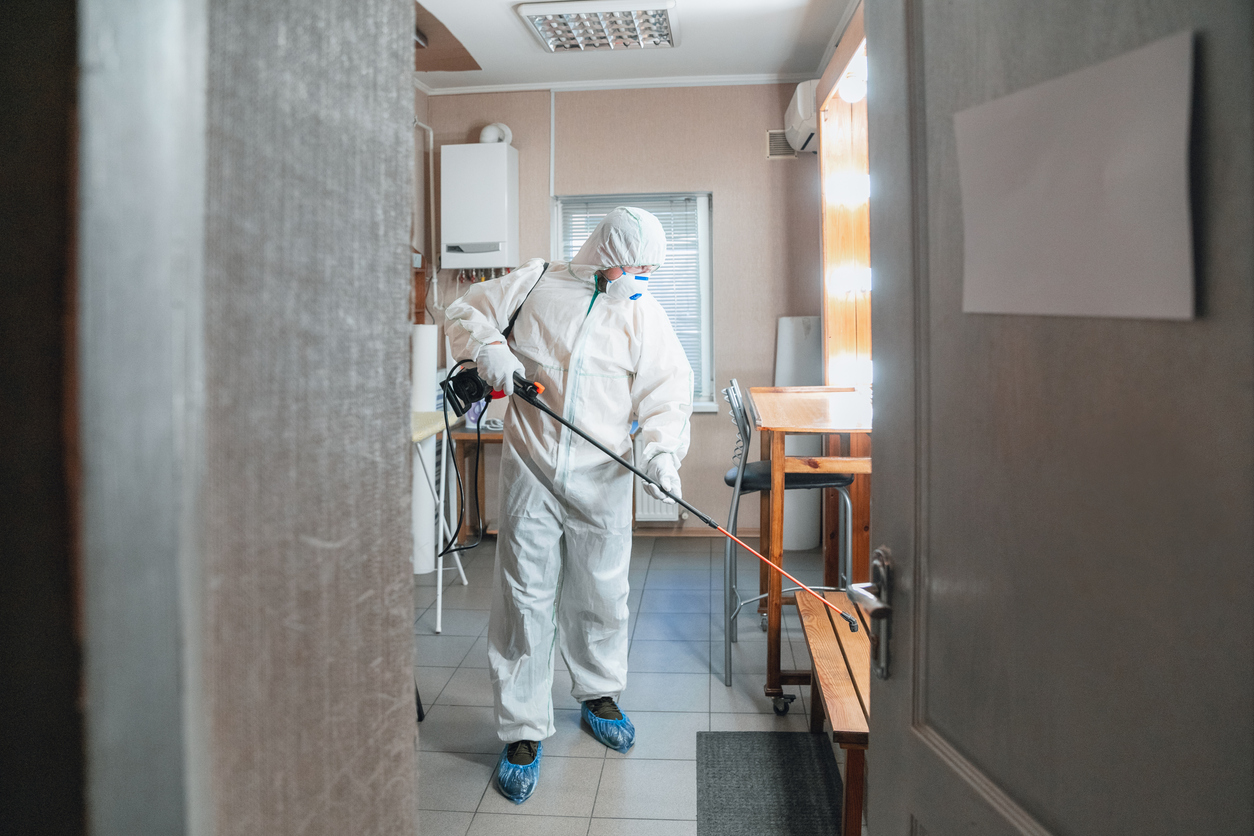
Remediation projects require strict containment to prevent spore migration. Negative-air machines with HEPA filters draw contaminated air from the work zone, exhausting it outdoors.
Inspectors install polyethylene barriers with zipper-access doors to isolate affected areas. Workers follow entry and exit protocols, including donning personal protective equipment and decontaminating tools and footwear, to maintain containment integrity.
Working with Commercial Mold Remediation Companies
Selecting a remediation partner with IICRC certification and commercial experience ensures a thorough, code-compliant approach. Professional companies provide detailed scopes of work, transparent pricing, and comprehensive project documentation, including daily logs, photographic records, and clearance reports. Their expertise minimizes business interruption, protects occupant health, and limits liability when mold issues arise.
Proactive IAQ Monitoring and Maintenance
Routine IAQ testing helps detect emerging issues before complaints escalate. Schedule quarterly assessments of particulate matter, volatile organic compounds, and humidity levels. Indoor air quality monitors can detect various pollutants depending on the model you choose, including VOCs, particulate matter, and gases. Regular maintenance of indoor air quality monitors is crucial for reliable results. Continuous monitoring of air quality in commercial buildings is recommended to replace one-time tests. Best practices for commercial indoor air quality (IAQ) testing involve conducting regular, comprehensive assessments (CO₂, VOCs, PM2.5) using calibrated, professional-grade equipment. You can use the data from your indoor air quality monitor to improve ventilation and reduce indoor pollutants, improving ventilation is essential if sensor data shows elevated levels of pollutants like CO2 or VOCs. Replace or upgrade filters on a regular cycle based on ASHRAE recommendations and manufacturer guidelines.
Installing sensor networks in critical zones, like conference rooms, guest corridors, and data centers, provides continuous visibility into air quality trends. Integrating these sensors with your building automation system allows automated alerts and corrective actions such as increasing fresh-air intake or triggering localized purging cycles.
Why ASDT Is Your Partner for IAQ and Mold Control
Advanced Structural Drying Technologies holds IICRC certification and offers 24/7 rapid response for commercial IAQ testing and mold remediation. Our teams document every step with detailed reports, moisture mapping, and air quality data to support liability mitigation and insurance claims. We tailor solutions to hospitality and high-rise properties, minimizing downtime and protecting reputation.
If you suspect the presence of harmful substances like asbestos or lead, it is essential to seek professional help for commercial IAQ testing to ensure accurate detection and safe remediation.
Trust the Tennessee Leader in Commercial IAQ Testing
Serving hotels, offices, and multi-use properties statewide, our IICRC-trained professionals deploy advanced sampling methods, containment protocols, and clearance testing to restore safe air quality swiftly. Call ASDT at 615-207-3877 or start a conversation online to get started on your free consultation.