When we think of fire, we picture flames. It’s only natural that flames are the most visible part of this chemical reaction. But when a sudden spark, wayward candle, or lightning strike starts a fire in your home or business, the first thought turns to recovery.
Homeowners and entrepreneurs throughout Tennessee need swift fire damage restoration to get back to the life and work they love. But recovery is more complicated than it appears. Without the right fire damage restoration company, you could be in for a long haul.
Here’s how a fire truly affects your home or business, beyond what the flames touch.
The Full Extent of Fire Damage
Scorching and melting caused by flames are a key component of fire damage, but a fire-damaged property can face overlapping hazards in both residential and commercial settings, not just visible burn damage. At Advanced Structural Drying Technologies, we’ve seen enough fires to understand how quickly and how far damage spreads. Fire damage can cause structural damage through thermal destruction, toxic smoke infiltration, corrosive soot accumulation, and residual water degradation, with long-term risks that include weakened structural integrity, hidden contamination, and mold growth.
Smoke Damage
Where there’s fire, there’s smoke. In enclosed spaces, smoke rises, falls, flows, and clings to surfaces throughout your property, with smoke and soot spreading far beyond the fire area through cracks, ductwork, and structural voids. It permeates the smallest nooks and crannies, and its fumes are incredibly hot, damaging wallpaper, paint, cabinets, fixtures, and structural materials well beyond the fire’s origin point. It also leaves behind smoke residue and smoke and soot residue that penetrate visible surfaces as well as insulation and hidden voids, and because soot particles are incredibly small, they can migrate behind outlets and into materials where ongoing deterioration and odors are harder to remove. When plastics and other synthetic materials burn, they can produce corrosive smoke and soot that stains finishes, etches glass, tarnishes metals, and may keep degrading materials unless professional smoke damage restoration is performed.
Contents Cleaning and Packout
Smoke damage doesn’t stop at walls. It can reach entirely different rooms, or even the opposite side of your building, affecting furniture, heirlooms, rugs, decor, and equipment like computers and heavy machinery.
At Advanced Structural Drying Technologies, we’re dedicated to saving as many of your belongings as possible. We begin by removing items from your property and storing them off-site. From there, we clean and deodorize everything while restoration is underway, then return it all to its original place so you can get back on track seamlessly.
Lingering Smoke Odors
Persistent smoke odors and lingering odors aren’t just unpleasant reminders. They’re distracting and potentially harmful. These persistent odors can affect the home environment and, if they remain after repairs, significantly reduce appeal to potential buyers by creating buyer concerns and a negative perception; even when a home has been repaired, they can lead to reduced offers and longer listing times. To eliminate them, we deploy powerful deodorization equipment, industrial air movers, and the latest chemical cleaners to capture and extract smoke particles wherever they’re found. A property isn’t truly restored until the smell of smoke is completely gone.
HVAC and Ductwork Damage
Smoke travels up and, when it hits the ceiling, laterally, finding any path available, including your ductwork and vents. Even if your HVAC system survives largely intact, contaminated ductwork can recirculate harmful smoke particles and odors for years, and smoke and soot can also affect connected electrical systems. Residue buildup also forces HVAC systems to work harder and less efficiently, driving up utility bills and reducing comfort. Smoke residue contains acids that can corrode components, including electrical wiring and controls, shortening system life unless addressed through professional restoration.
Harmful Residues
Building materials aren’t meant to burn. Drywall, plastic wiring, paint, and carpet release seriously harmful smoke, soot, and chemical residues when ignited, residues that should never reach your lungs. The health risks from toxic soot and extinguisher residue can make a fire-damaged home temporarily uninhabitable and may require temporary housing. Even after visible surfaces are cleaned, carcinogenic residues can linger in ceilings, ductwork, and hidden spaces. Dry chemical fire extinguishers can also leave residues that destroy sensitive electrical contacts and components. Air duct cleaning and thorough cleaning are non-negotiable parts of professional fire restoration needed to restore safe indoor air, support toxic soot removal and mold mitigation, and remove corrosive residue from hidden areas and sensitive components.
Water Damage
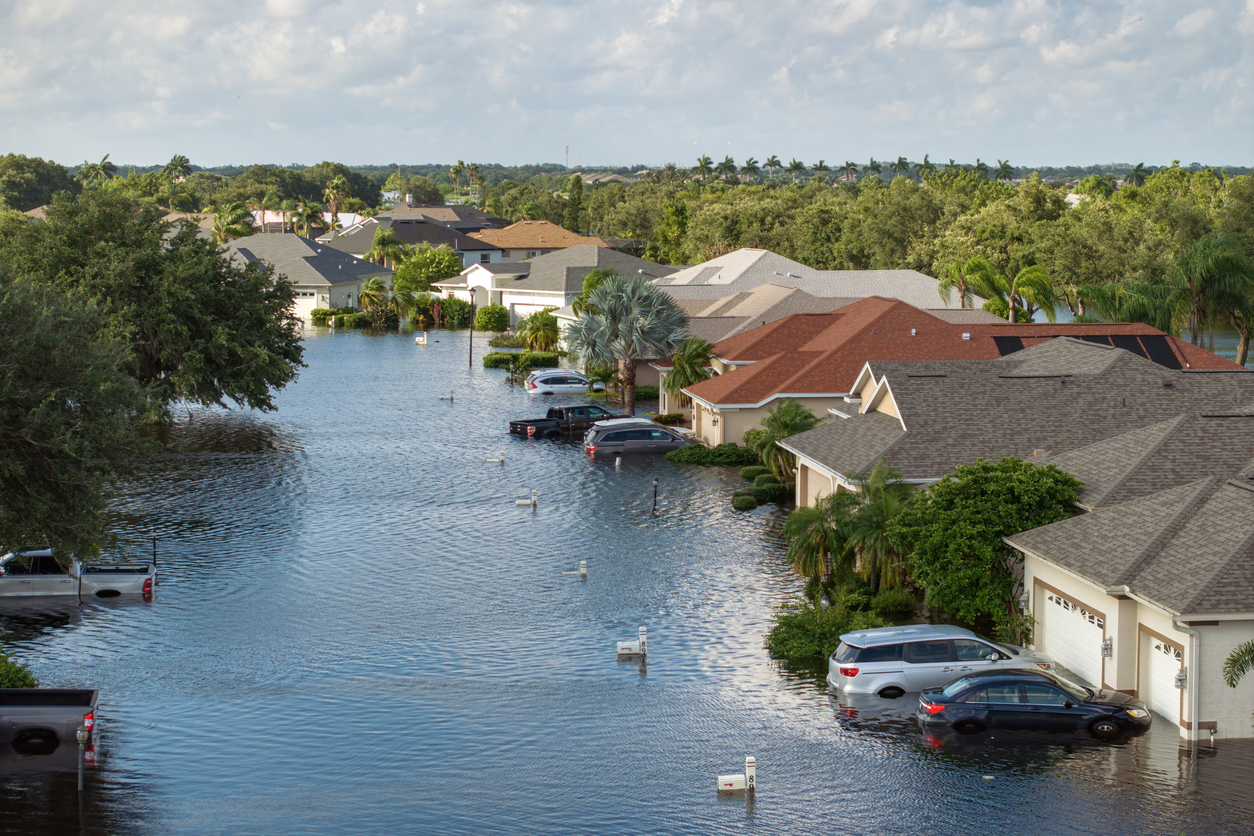
Fire damage almost always leads to water damage, and after a house fire, firefighting efforts are one of the most common causes of this secondary damage. Whether it comes from a sprinkler system or a firefighter’s hose, the water that puts out flames causes its own category of damage. The water used to extinguish flames can saturate drywall, flooring, and framing and trigger toxic mold growth within 24 to 48 hours if drying is delayed. For this reason, fire damage restoration jobs frequently become water damage restoration jobs as well.
Our initial assessment starts with emergency board-ups as part of the recovery process to ensure safety before remediation and rebuilding proceed. Then we use powerful pumps to remove standing water, deploy dehumidifiers throughout the affected area, and use industrial air movers and thermal imaging to capture residual moisture from both surfaces and the air itself.
Mold Remediation
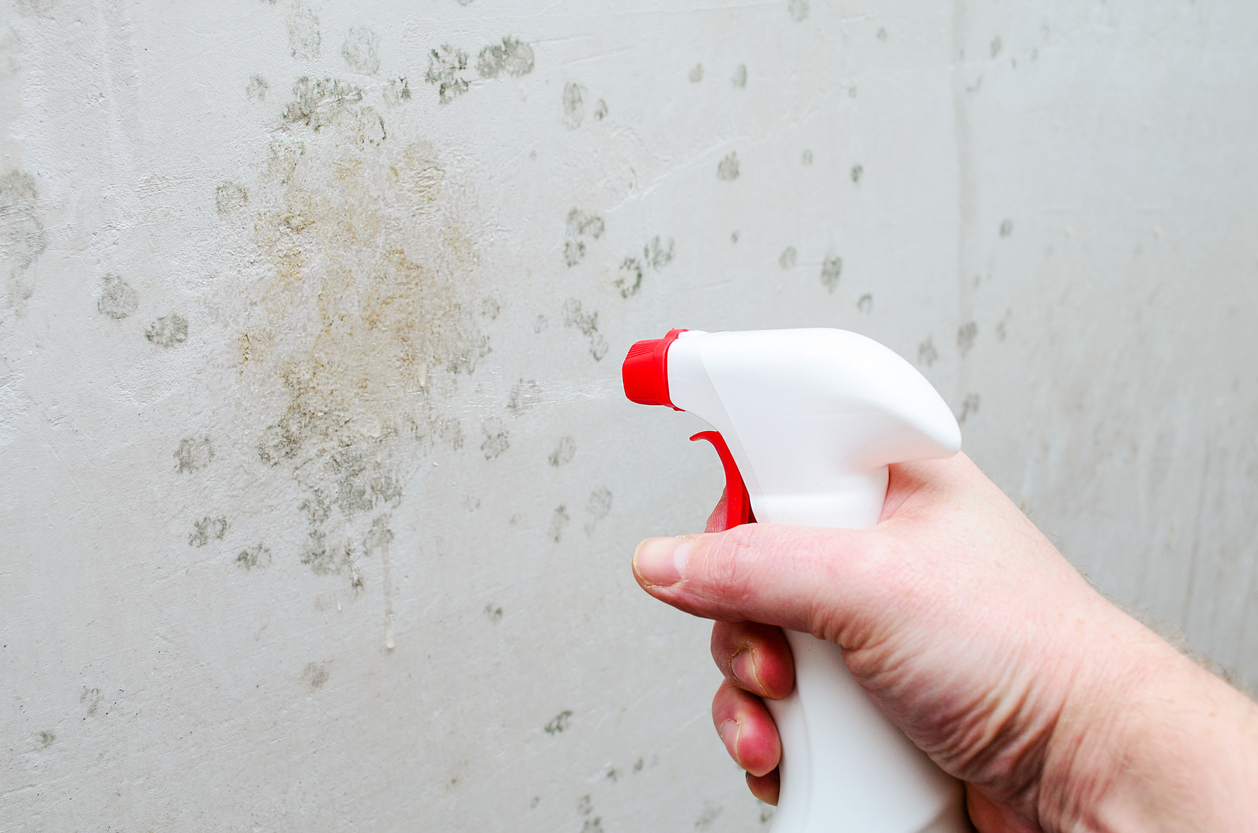
Mold follows water the same way smoke follows fire. Water from firefighting efforts can saturate building materials, and with that moisture present after a fire, hidden mold growth can take hold in places no one sees at first. The best defense is proactive, removing water and fully drying your structure before restoration begins. If it is found, professional remediation is needed so hidden contamination does not undermine long-term value.
That said, mold is resilient. Before hiring a damage restoration company, confirm they’re equipped and licensed, where required, to handle mold remediation. Your safety depends on it.
Restore Your Property Comprehensively After Fire Strikes
To a seasoned restoration company, fire damage can be broken down into categories, cleaning methods, and cause and effect. But to homeowners and business owners, a fire-damaged house can carry stigma and a higher risk in the eyes of the market and future buyers, making the loss feel even heavier. You invest time, money, and hope into your property. When fire strikes, it burns through more than just walls. It can significantly impact market value, market perception, and buyer confidence even after repairs.
At Advanced Structural Drying Technologies, we combine the latest equipment and expert training with genuine understanding and compassion. We work hand-in-hand with your insurance adjuster and with you to move the process forward and help you reclaim what matters most. Stronger insurance claims often depend on documented restoration work that meets building codes, supports structural repairs, and shows a complete restoration process. Real estate professionals and appraisers often look at comparable sales and repair costs when evaluating a fire-damaged property, and proper restoration work helps protect property value while reassuring future buyers.