
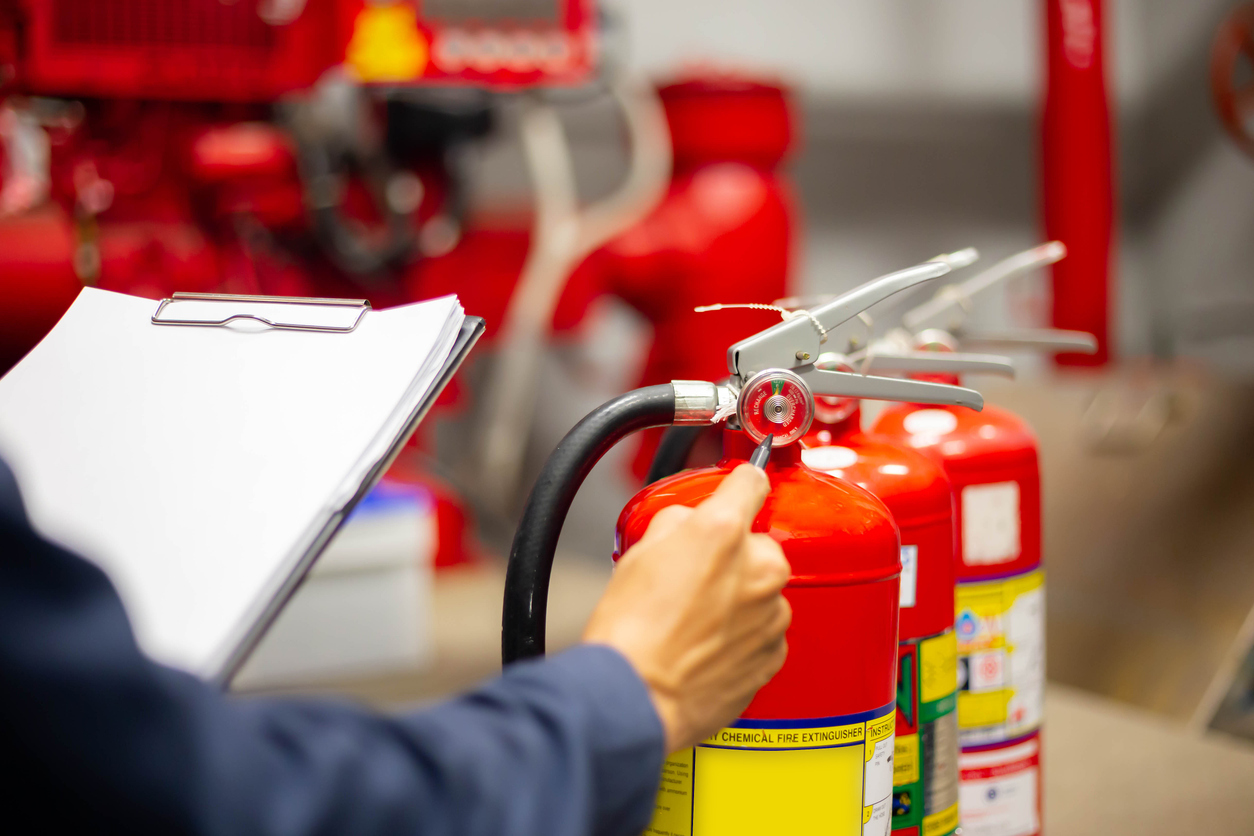
October is Fire Prevention Month, and it’s the perfect reminder for property managers, hotel operators, and multifamily housing owners in Nashville to take a closer look at fire safety.
Fire Prevention Month in October is a national safety campaign observed every October in the United States and Canada. It was established in 1925 via a proclamation by President Calvin Coolidge. Fire Prevention Month commemorates the Great Chicago Fire of 1871, which killed over 300 people, destroyed more than 17,000 buildings, and left much of the city burned. This tragedy taught important lessons about fire safety and prevention that still matter today.
The National Fire Protection Association (NFPA) named the second week of October National Fire Prevention Week in 1922. Throughout October, fire departments across the United States use this time to teach the community about fire safety and proactive safety steps.
Fire prevention is crucial for every family. Involving all family members in fire safety planning ensures everyone knows what to do in an emergency and helps protect loved ones.
Fire prevention also plays a significant role on the farm. Fire is among the largest and most costly causes of loss on farms, ranches, and commercial agribusinesses in the U.S., causing more than $100 million in losses and damage to crops, animals, buildings, and other property every year. Fire hazards are all around us in agriculture, making prevention a matter of top priority. Having the right insurance coverage is essential for protecting customers and agricultural assets from fire-related losses.
The National Fire Protection Association (NFPA) sets this month aside to raise awareness nationwide, but the real impact comes when property owners act on fire prevention strategies that protect both people and investments. By making a few smart upgrades this Fire Prevention Month, property owners can strengthen safety, avoid costly code violations, and protect their investment before disaster strikes.
5 Smart Steps Toward Stronger Fire Protection in Middle Tennessee
Hotels, apartment complexes, and commercial buildings across Middle Tennessee deal with fire risks daily. Kitchens run nonstop, older wiring strains under modern demand, and storage areas often hold flammable materials that can turn a small spark into a major loss.
Regular practice of fire safety routines, such as conducting fire drills and training employees on using fire extinguishers, is essential to ensure everyone is prepared for emergencies.
Awareness is important, but lasting protection comes from taking action. These five upgrades can help property managers strengthen fire safety, stay compliant with codes, and reduce the chances of costly damage.
Upgrade #1: Advanced Fire Detection Systems
Smoke detectors are a starting point, but today’s properties need more than a single alarm on the ceiling. Interconnected detection systems can alert building managers and occupants throughout the property the moment smoke or heat is detected, helping everyone act quickly.
Strategically placed heat and smoke sensors catch problems early, even in hidden spaces like storage rooms, basements, or utility areas. Smart systems can also send real-time alerts to phones or monitoring centers, so that no warning goes unnoticed.
For property owners focused on stronger fire safety and staying compliant with codes, upgrading to a modern detection system is one of the smartest investments you can make.
Upgrade #2: Modern Fire Suppression Systems
Sprinklers are a proven safeguard, but newer suppression options provide faster, more targeted protection. Systems using chemical or clean agents can stop flames while minimizing water damage, an advantage for kitchens, data centers, and areas with sensitive equipment.
NFPA-approved suppression systems also provide peace of mind during inspections, showing that your property is keeping pace with current fire safety standards. For managers in charge of hotels, apartments, or commercial buildings, a modern system is both a compliance win and a safeguard against costly downtime.
Upgrade #3: Electrical & Wiring Safety Enhancements
Aside from cooking-related fires and arson, electrical issues are a leading cause of commercial fires. Old wiring, overloaded circuits, or hidden hotspots put entire properties at risk. Upgrading wiring and breaker systems helps prevent these problems.
Property managers who prioritize electrical safety reduce fire hazards and avoid unexpected violations that come with outdated systems. These practical upgrades protect your tenants and your bottom line.
Upgrade #4: Fire Safety Training for Staff & Tenants
Even the best equipment can’t stop a crisis if people don’t know what to do. Regular fire safety training builds confidence and keeps everyone prepared. Staff and tenants should know evacuation routes, how to use extinguishers, and the importance of keeping exits clear.
Routine drills transform knowledge into action, reducing panic when alarms sound. For properties with high occupancy like hotels or multifamily communities, training is one of the simplest ways to protect lives while reinforcing compliance with local safety rules.
Upgrade #5: Emergency Response & Preparedness Plans (ERPP)
When fire strikes, chaos often follows, unless a clear plan is already in place. An Emergency Response and Preparedness Plan (ERPP) provides a step-by-step guide for property managers so that they can quickly take the right actions to protect people and assets.
ASDT creates ERPPs tailored for Nashville-area businesses, hotels, and other commercial properties. These plans outline immediate response procedures, streamline communication with restoration teams, and help reduce costly downtime.
For owners looking to combine prevention with rapid recovery, an ERPP is a powerful tool.
Responsible Battery Disposal: Preventing a Hidden Fire Hazard
During Fire Prevention Month in October, the National Fire Protection Association (NFPA) and local fire departments shine a spotlight on often-overlooked fire hazards, one of the most pressing being improper disposal of lithium-ion batteries. As part of Fire Prevention Week, which runs from October 5-11, the NFPA’s “Charge into Fire Safety” campaign stresses the importance of handling batteries safely to prevent fires that can threaten lives, property, and entire communities.
Lithium-ion batteries power everything from smartphones to laptops and power tools, but when they’re thrown in the trash or regular recycling bins, they can spark dangerous fires. The devastating impact of uncontrolled fires is a lesson history has taught us well. Just look at the Great Chicago Fire, which killed over 250 people and destroyed more than 17,400 structures. While technology has advanced, the risk remains if we don’t take battery safety seriously.
To protect your business, home, and community, always recycle batteries responsibly at a safe battery recycling location or designated recycling spot. Never throw lithium-ion batteries in the trash, as they can ignite and cause fires in waste facilities or even on your own property. The NFPA provides resources to help you find approved recycling locations and offers guidance on how to recycle batteries safely.
When purchasing new batteries or chargers, look for a safety certification mark such as UL, ETL, or CSA. These marks indicate that the product meets important safety standards and has been tested for fire safety. To charge devices safely, always use the cords and chargers provided by the manufacturer, follow all instructions, and avoid overcharging, especially overnight or on soft surfaces like beds or couches, which can trap heat and increase fire risk.
Fire safety doesn’t stop at battery disposal. Make sure your property is equipped with working smoke alarms and fire extinguishers, especially in high-risk areas like the kitchen and bedroom. Regularly test smoke alarms and replace batteries as needed to ensure they’re ready to protect lives at a moment’s notice.
The NFPA’s national fire prevention campaign reminds us that fire safety is everyone’s responsibility. By raising awareness, following best practices for battery disposal, and keeping fire protection equipment up to date, we can reduce the risk of fires and help prevent tragedies before they happen. This October, let’s work together to create safer homes, businesses, and communities, because fire prevention is a commitment we all share.
Warning Signs of Fire Code Violations
Overcrowded storage rooms, outdated exit signage, or blocked fire doors are just a few of the issues inspectors often uncover. Other common violations include:
Fire Extinguishers That Are Missing, Expired, or Not Regularly Serviced
Extinguishers that aren’t available or functional leave properties vulnerable in an emergency. Tenants and staff lose valuable time if they can’t locate one quickly.
How to avoid it:
- Schedule professional inspections annually
- Check gauges monthly to confirm pressure
- Mount extinguishers in visible, accessible spots near high-risk areas
Exit Routes Cluttered With Furniture or Equipment
Blocked exits can turn an evacuation into chaos, creating panic and trapping occupants inside.
How to avoid it:
- Keep hallways and stairwells clear of boxes, carts, or furniture
- Assign staff to check exit paths regularly
- Make sure illuminated exit signs are always visible
Emergency Lighting That Doesn’t Function Properly During Outages
If emergency lights don’t switch on during a power failure, occupants may struggle to navigate dark stairwells and corridors.
How to avoid it:
- Test backup lighting systems monthly
- Replace batteries promptly when needed
- Schedule an annual full-function test to confirm reliability
Obstructed or Overloaded Electrical Panels
When panels are blocked, staff may waste precious time during an emergency. Overloads, meanwhile, can overheat wiring and spark a fire.
How to avoid it:
- Maintain at least three feet of clearance around panels
- Have a licensed electrician inspect for overloads
- Redistribute circuits or upgrade panels when recommended
Sprinkler Heads That Are Painted Over or Covered by Storage Items
If sprinklers can’t activate properly, a small fire can spread unchecked. Stacked boxes or painted sprinkler heads are common issues that undermine protection.
How to avoid it:
- Keep storage at least 18 inches below sprinkler heads
- Train maintenance staff to avoid painting over them
- Replace any painted or damaged sprinkler heads immediately
- Address these problems before an inspection and save yourself from costly fines and reputational damage. Trust us, taking a proactive approach is far less expensive than reacting after a violation or, worse, a fire.
Recovery When a Fire Still Happens
Even the most thorough prevention plan can’t eliminate every risk. When fire strikes, immediate action is essential. Protecting occupants comes first, followed by securing the property and calling in a professional fire damage restoration team.
ASDT restores your property’s structural integrity, removes smoke damage, and works directly with insurance providers to streamline claims and speed up recovery.
How Fire Restoration Services Support Owners Year-Round
Quick response matters. Having a trusted fire damage restoration partner means property owners can recover faster and more efficiently. ASDT provides 24/7 fire damage response across Nashville and surrounding communities, using advanced technology and experienced technicians to return properties to safe conditions.
Partnering with ASDT ensures that buildings, tenants, and businesses are supported every step of the way.
Taking Action During Fire Prevention Month
Fire Prevention Month is a valuable opportunity to reevaluate safety systems, schedule inspections, and make upgrades that reduce risk. For Nashville property managers and owners, now is the time to implement fire detection and suppression improvements, strengthen staff training, and put an ERPP in place.
When prevention and preparedness work together, properties are better protected against the devastating impact of fire.
Trust ASDT to Protect & Restore Your Property in Tennessee
Trust ASDT to protect your investment before disaster strikes and restore it when the unexpected happens. Contact us today to learn more about our ERPP services or get 24/7 emergency restoration support near Murfreesboro, Franklin, Springhill, Brentwood, Smyrna, or Thompson’s Station.