
Spring rain and rising humidity have a way of exposing problems that stayed hidden all winter. A wall that looked completely normal in February suddenly smells damp by May. Paint near a window begins wrinkling for no obvious reason. Someone in the office keeps sneezing every afternoon, and eventually everybody starts joking about the building trying to kill them.
Sometimes the source of those problems is sitting quietly behind the drywall.
Hidden mold inside walls is common after roof leaks, plumbing failures, storm intrusion, flooding, or long-term humidity issues. Commercial buildings across Nashville and Middle Tennessee run into this often, especially older hotels, retail centers, office buildings, and multifamily properties that have dealt with years of seasonal moisture exposure.
Drywall hides problems remarkably well. Moisture can remain trapped inside wall cavities long after surfaces appear dry again, which gives microbial growth time to develop before obvious warning signs appear.
TL;DR
- A musty smell that lingers after rain or humid weather often points to trapped moisture inside walls.
- Bubbling paint, staining, and soft drywall usually indicate that moisture has remained active longer than expected.
- Hidden mold sometimes becomes noticeable through indoor air quality changes before visible damage appears.
- Professional inspections focus on locating moisture sources, not just visible staining.
- Early drying and documentation help limit larger restoration issues later.
Persistent Musty Odors Usually Point to Trapped Moisture
A lingering musty smell inside a home or commercial building rarely appears without a reason behind it. In many cases, people first notice it after several rainy days or during stretches of heavy humidity when the HVAC system starts cycling more frequently.
Moisture settles easily into drywall, insulation, carpet padding, and wood framing. Once water finds its way into a wall cavity, airflow becomes limited, and materials dry far more slowly than most property owners expect. The space behind the drywall stays dark, still, and humid, which creates conditions where microbial growth can begin developing quietly out of sight.
The odor itself matters because buildings tend to hold onto smells when moisture never fully leaves the structure. A wall that continues smelling damp weeks after a leak or storm event is often signaling that something inside the assembly still has not dried completely.
Humid Weather Often Makes the Smell More Noticeable
Many property owners notice the odor seems to intensify during humid afternoons or after heavy rain. Moisture levels rise inside the wall system again, and materials that stayed slightly damp begin releasing more odor into the surrounding air.
HVAC systems can also carry those odors through vents, hallways, neighboring units, or shared wall cavities, which explains why the smell sometimes feels stronger in one part of the building than another.
This tends to happen most often around:
- Exterior-facing walls
- Window perimeters
- Roof penetration points
- Plumbing walls
- Utility rooms
- Stairwells with limited airflow
- Older insulation systems
Hotels, offices, retail spaces, and apartment buildings usually notice these issues earlier simply because more people move through the same spaces every day. Eventually, someone points out that one hallway always smells damp or one office consistently feels heavier than the rest of the building.
The Location of the Smell Usually Matters
A musty odor isolated to one room or section of the property often points toward a localized moisture source, though the actual source and the smell itself are not always in the same exact place.
Water has a way of moving once it enters a wall system. A roof leak may travel downward before becoming noticeable near a ceiling seam several feet away. Window intrusion can spread sideways through insulation. Condensation around HVAC components sometimes lingers inside wall cavities long enough for surrounding materials to absorb it gradually over time.
That unpredictability is part of what makes hidden moisture problems so frustrating. Some days, the smell is obvious. Other days, it fades almost completely into the background, which leads many people to assume the issue has resolved itself.
Moisture problems inside walls rarely work that way. Humidity, temperature, airflow, and building materials all influence how noticeable the odor becomes from one day to the next.
Discoloration, Bubbling Paint, & Soft Drywall Often Signal Hidden Moisture
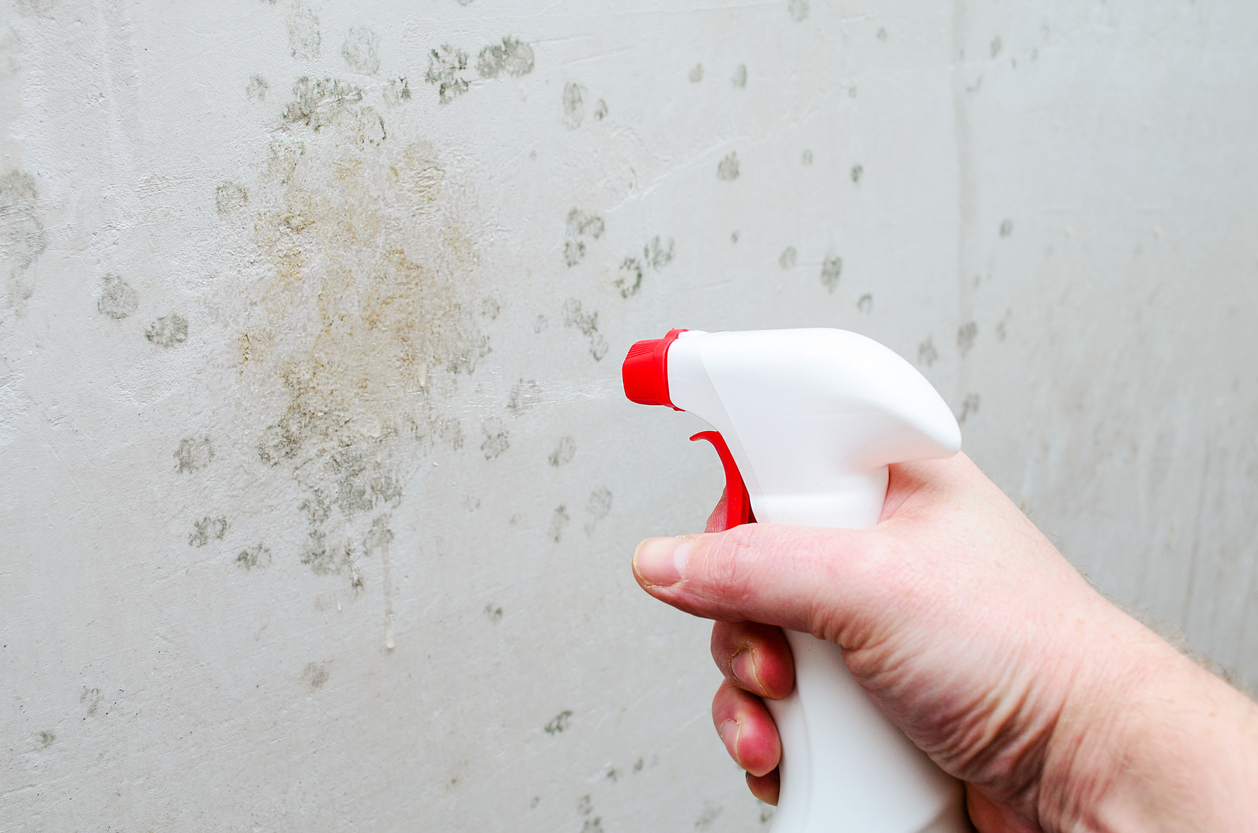
Moisture trapped behind drywall rarely announces itself all at once. The signs tend to develop gradually, which makes them easier to dismiss in the beginning. A faint stain near the ceiling deepens after several storms. Paint around a window frame starts wrinkling in a way that seems like a minor cosmetic issue at first. Over time, parts of the wall may begin feeling softer or slightly swollen compared to the surrounding surface as the materials underneath continue absorbing moisture.
Drywall holds water more easily than many people realize. Insulation, wood framing, and nearby flooring materials can also retain moisture long after the original leak or intrusion event appears to dry on the surface. Once that moisture remains trapped inside a wall cavity with limited airflow, conditions become much more favorable for microbial growth to develop quietly behind the scenes.
Water Damage & Mold Usually Develop Together
Most hidden mold problems begin with moisture first. In commercial buildings throughout Middle Tennessee, that water damage often traces back to roof leaks, plumbing failures, flooding, condensation around HVAC systems, prolonged humidity exposure, or storm intrusion around windows and exterior openings.
The visible damage people notice is usually only part of the larger picture. Water rarely stays contained to one small spot after entering a building assembly. Gravity pulls it downward while insulation and framing materials absorb and redirect it in different directions, which means the stain visible on the wall may have very little to do with where the moisture originally entered.
That disconnect catches many property managers off guard. A leak near the roofline eventually appears around a window corner several feet away, or staining near the baseboard actually traces back to moisture higher inside the wall cavity.
Texture Changes Often Reveal How Long Moisture Has Been Active
The condition of the drywall itself usually says a lot about how long the issue has been developing.
Some walls only show faint discoloration in the beginning, especially after a recent leak. Once moisture lingers for longer periods, the drywall often starts changing shape and texture as the material repeatedly absorbs and releases moisture over time. Tape seams pull apart gradually, surfaces become uneven, and sections of the wall may feel soft or swollen when pressed lightly.
Paint behavior also reveals quite a bit. Bubbling, peeling, or wrinkling that keeps returning after repainting often points toward moisture that never fully stopped inside the wall system itself.
In commercial properties, those issues rarely stay isolated to one material for long. Drywall weakens, metal framing begins to corrode, flooring adhesives loosen, and indoor air quality concerns become increasingly noticeable throughout the surrounding space.
Allergy Symptoms Sometimes Become the First Warning Sign
Hidden mold does not always reveal itself through visible wall damage first. In many buildings, the concern starts feeling environmental before anything obvious appears on the surface. Air can feel heavier in one section of the property. A room may carry a damp smell that becomes more noticeable overnight or during humid weather. Over time, people sometimes begin connecting recurring congestion, headaches, or throat irritation to the same areas of the building, especially when those symptoms ease after leaving the space for a while.
None of those patterns automatically confirms mold growth inside the walls. They can, however, point toward indoor air quality changes connected to lingering moisture, particularly in buildings with a history of leaks, flooding, condensation issues, or elevated humidity levels.
Hidden Moisture Can Affect Air Quality Before Damage Appears
Wall cavities dry slowly once moisture becomes trapped inside them. Insulation limits airflow, drywall conceals elevated moisture levels surprisingly well, and HVAC systems can continue circulating odors and airborne particles through connected spaces while the surrounding materials remain damp.
That is part of why occupants sometimes notice physical symptoms before they notice visible building damage.
People exposed to hidden mold sometimes report:
- Congestion that worsens indoors
- Sneezing in specific areas of the building
- Scratchy throat or watery eyes
- Persistent headaches
- Increased asthma irritation
- Symptoms that improve after leaving the property
Commercial properties often notice these concerns through recurring complaints tied to one location rather than one isolated incident. Maintenance teams may realize the issue becomes worse after heavy rain. Hotel guests mention the same damp-smelling room repeatedly. Employees begin avoiding one side of the office because it consistently feels uncomfortable.
Repeated patterns connected to the same area deserve closer evaluation, especially when the building has experienced previous leaks, flooding, or prolonged humidity exposure.
What Professional Mold Inspections Actually Look For
Most professional mold inspections are really moisture investigations first.
The visible stain on the wall matters less than understanding why that area stayed damp long enough for microbial growth to develop in the first place. Inspectors spend much of the process trying to understand how moisture moved through the building, whether the source is still active, and how far surrounding materials may have been affected.
That process becomes especially important in commercial properties where water can travel quietly through insulation, shared wall cavities, ceiling systems, and flooring assemblies before anyone realizes the extent of the issue.
Moisture Mapping Helps Reveal What the Surface Cannot
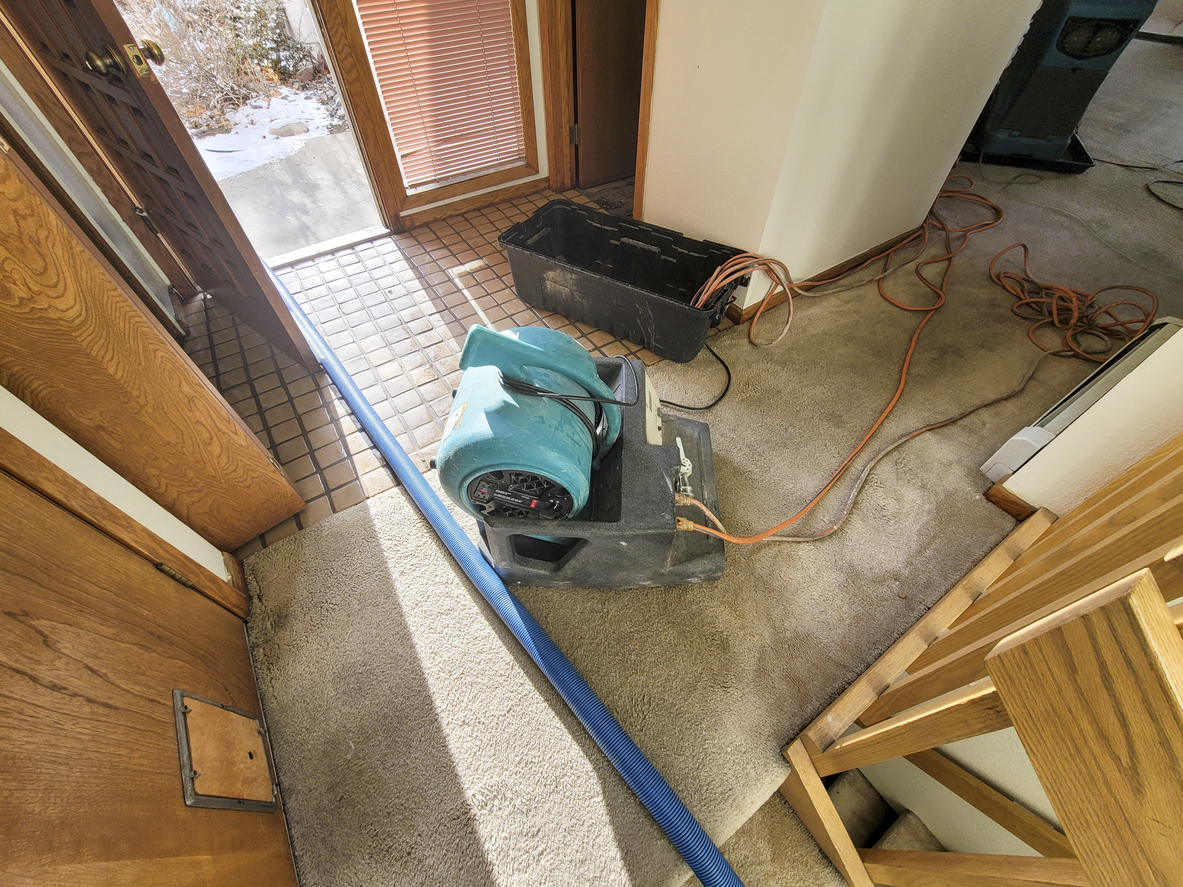
Professional restoration teams use several tools together because moisture behaves unpredictably once it enters a building envelope.
Depending on the conditions, the inspection process may involve:
- Moisture meters
- Thermal imaging cameras
- Hygrometers
- Airflow and humidity readings
- Targeted inspection openings
- Containment procedures when necessary
Thermal imaging often causes confusion because many people assume the camera directly detects mold. It does not. What it actually identifies are temperature variations that may suggest trapped moisture behind walls, ceilings, or flooring systems. Cooler areas sometimes indicate where elevated moisture levels remain active inside finished materials.
Moisture meters help confirm whether drywall, framing, or insulation still contain elevated moisture levels, which gives property owners a clearer understanding of what is happening before unnecessary demolition begins.
Opening walls without understanding the moisture source often creates more disruption without actually resolving the problem itself.
Inspection & Testing Are Different Processes
People frequently use “inspection” and “testing” interchangeably, though they involve different scopes of work.
An inspection generally focuses on identifying visible conditions, moisture intrusion patterns, humidity concerns, and building materials that may require closer evaluation. Testing may involve air sampling or surface sampling, depending on the building conditions, occupant concerns, and project scope.
In Tennessee, mold-related work also carries licensing and insurance considerations that influence how inspections and remediation processes are handled. Proper documentation and carefully scoped evaluations help property owners understand the situation clearly before major decisions are made.
What To Do If You Think Mold Is Growing Inside Your Walls
The first priority is limiting additional moisture exposure.
People naturally focus on the visible stain or odor first, though the larger concern is usually how long the surrounding materials have remained damp. Drywall, insulation, framing, and flooring materials can continue holding moisture long after surfaces appear dry again, especially after flooding, roof leaks, pipe failures, or storm intrusion events.
That lingering moisture allows odors, deterioration, and microbial growth to continue developing quietly inside the wall system.
Start With Documentation & Moisture Control
If hidden moisture or mold seems possible, a few controlled steps usually help narrow down the situation before opening materials unnecessarily:
- Photograph visible staining or damage
- Monitor whether odors worsen during humid weather
- Reduce indoor humidity levels if possible
- Move contents away from visibly damp areas
- Watch for spreading stains or soft drywall
- Schedule a professional inspection if conditions continue
The instinct to open the wall immediately is understandable, especially when the smell keeps getting worse or staining starts spreading. Large inspection openings can sometimes disturb hidden growth unnecessarily or complicate containment later if remediation becomes necessary.
A targeted inspection usually creates a more controlled process while helping identify where the moisture is actually coming from before demolition begins.
Don’t Wait to Take Action on Suspected Mold
A wall that smells musty month after month usually means moisture is still trapped somewhere inside it. The longer materials stay damp, the more likely surrounding drywall, framing, and insulation will start to deteriorate, and in commercial properties, that can spill into tenant complaints, operations, and business interruption.
If several of these signs are showing up in the same area, it’s usually time to bring in a professional:
- A musty smell that lingers after rain or humid weather
- Discoloration or staining near windows, ceilings, or baseboards
- Bubbling, wrinkling, or peeling paint that returns even after repainting
- Soft, swollen, or warped drywall when pressed lightly
- Recurring allergy symptoms that ease when you leave the space
- A history of leaks, flooding, or humidity issues, even months earlier
Catching these signs early gives property owners more options, less disruption, and a clearer path forward before hidden moisture turns into a much larger restoration project.
Need Professional Mold Remediation in Tennessee? Reach Out to ASDT Today
Recurring odors, soft drywall, peeling paint, unexplained staining, or indoor air quality concerns after leaks or heavy rain usually deserve closer evaluation before the issue spreads further into surrounding materials.
ASDT helps property owners across Nashville and Middle Tennessee identify moisture intrusion and mold issues, document damage conditions, and stabilize buildings after water events. Whether the property is a hotel, office building, retail space, multifamily property, or home, early investigation often limits larger restoration issues later.
Contact ASDT today to schedule a professional inspection and protect your property before hidden moisture turns into a larger problem.