
Structural water damage in high-rise buildings often starts in one hidden place: the vertical drain stack. When a drain stack fails, water can travel through walls and floors and impact multiple units before anyone realizes what’s happening.
Water damage in high-rise buildings poses a significant risk to property values, safety, and insurance coverage. The potential severity and financial impact make proactive mitigation essential.
For property managers, building owners, and HOA boards across Middle Tennessee, these failures can turn into expensive, disruptive events fast. Property managers play a crucial role in monitoring and responding to water damage incidents, helping to minimize losses and maintain insurance coverage. They can displace residents, interrupt business operations, and create complicated insurance claims.
Understanding why vertical drain stack failures happen is one of the best ways to reduce commercial water damage and multifamily water damage. Water damage claims account for 48% of all claims seen in Canada, and high-rise buildings are 12 times more likely to experience significant water damage incidents than fire.
At a Glance
- Vertical drain stacks are the main vertical pipe that carries wastewater from sinks, tubs, showers, and toilets down through multiple floors to the main sewer line.
- Replacing a plumbing stack is important for protecting the entire drainage system, ensuring proper wastewater management, and preventing issues like backups or sewer odors.
- Aging materials, corrosion, and long-term wear are the most common causes of failure.
- One leak can lead to structural water damage across many units.
- Regular inspections and fast structural drying help limit damage.
What Is a Vertical Drain Stack?
Vertical drain stacks are large vertical pipes, also known as plumbing stacks, that move wastewater from multiple drains and other fixtures (sinks, toilets, tubs, etc.) down to the main sewer line. The plumbing stack helps balance air pressure in the pipes so water can flow smoothly, and proper venting is essential to prevent sewer gas buildup. The stack connects to horizontal drainage pipes on each floor and extends at least 6 inches above the roof line, allowing fresh air to enter and vent sewer gases out. The vented section of the stack lets gases rise and exit through the roof, preventing odors and maintaining air pressure.
In high-rise buildings, a single drain stack may serve dozens of units. These pipes operate all day, every day. Most of them sit behind walls or inside plumbing chases, which means problems can develop out of sight. Older homes often have original or old cast iron stacks, which are heavier and dampen drain noise, while modern plumbing stacks typically use lightweight, durable PVC pipes that resist corrosion. When the plumbing stack starts to break down, it affects everything connected to it.
When a drain stack begins to leak, water often spreads before it becomes visible. By the time staining appears on a ceiling or wall, moisture may already be present in framing, insulation, and flooring.
That’s why drain stack failures frequently lead to commercial water damage that affects multiple floors.
Why Vertical Drain Stack Failures Happen
Drain stacks fail because of long-term wear, not sudden accidents. Over years of use, materials slowly weaken.
Older high-rise buildings often contain cast iron or early-generation PVC piping. These materials can last decades, but they don’t last forever. As pipes age, corrosion, scale buildup, and thinning walls become more likely. Replacing an old plumbing stack is crucial, especially if you notice visible rust, cracks, or barnacles on the stack, as these are signs of deterioration and potential leaks. If you have an old cast-iron stack that has required repeated repairs, a full replacement may be necessary to ensure system reliability.
Corrosion inside cast iron pipes gradually eats away at the interior surface. Mineral buildup restricts flow and increases pressure. Over time, small pinhole leaks form. Those small leaks grow larger as wastewater continues to move through the pipe.
Joint failures are another common issue. Seals between pipe sections dry out or crack. When joints loosen, water escapes into the surrounding building materials.
Temperature changes also play a role. Hot water expands pipes. Cold water contracts them. These constant shifts stress both the pipe walls and the joints.
How Drain Stack Failures Lead to Structural Water Damage
Once water escapes a drain stack, gravity takes over. Moisture travels downward and outward through any available pathway.
Water moves through wall cavities, floor assemblies, insulation, and framing. It doesn’t stay contained inside a single unit.
Structural water damage occurs when building materials absorb moisture and begin to weaken. Wood framing can swell and warp. Drywall loses strength. Subfloors soften. Over time, these materials lose their ability to perform as intended.
Water damage and freezing are among the most common causes of property insurance claims in the United States. Losses frequently reach tens of thousands of dollars, and large commercial losses can climb much higher.
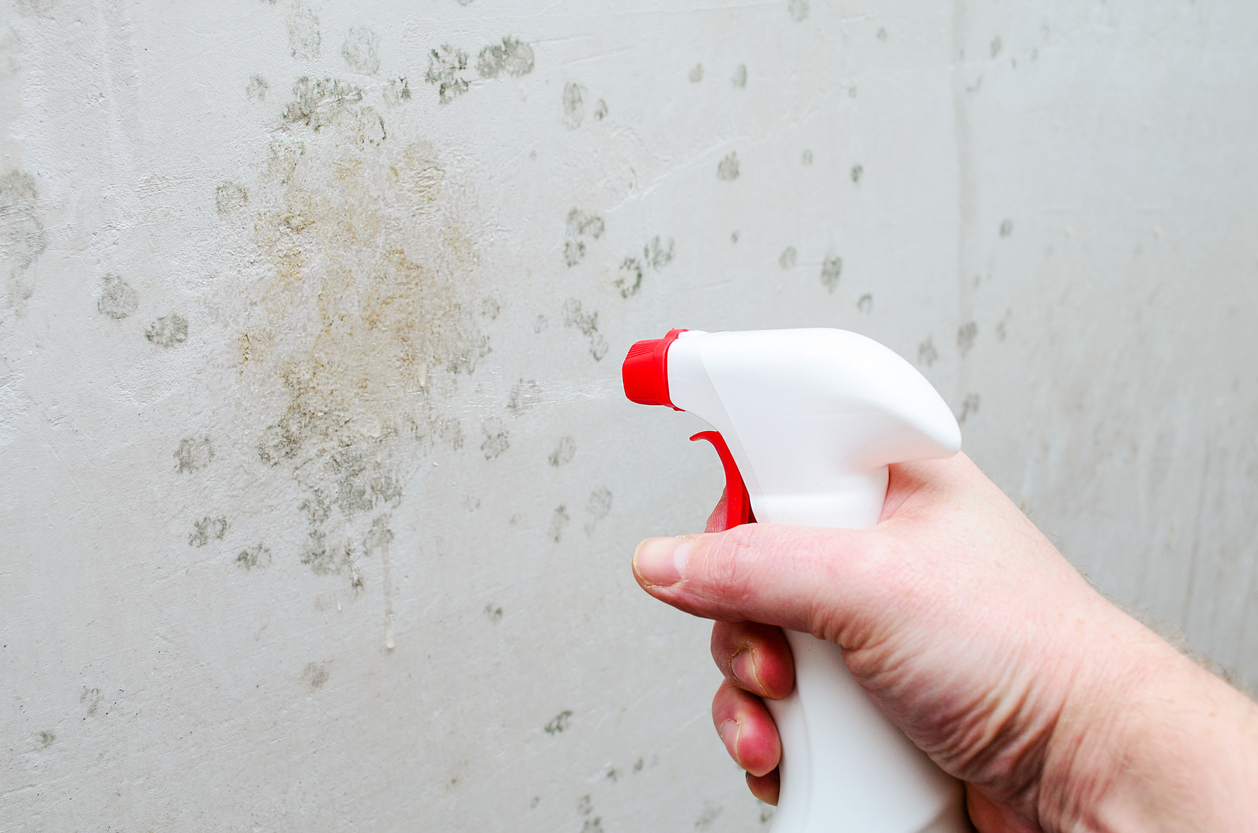
Hidden moisture also creates an environment where mold can grow. Mold introduces additional remediation costs and potential health concerns for occupants.
Warning Signs of Drain Stack Problems
Early warning signs often appear before a major failure. Paying attention to patterns can prevent larger losses.
Common red flags include:
- Repeated leaks in units stacked above and below each other.
- Discolored drywall or bubbling paint near bathrooms or kitchens.
- Musty or sewer-like odors inside the home, which can indicate that the plumbing stack may be damaged.
- Soft spots in flooring or walls near plumbing chases.
- Slow drainage in multiple fixtures.
One isolated leak may be a fixture issue. Multiple leaks in the same vertical line often point to a drain stack problem.
Why High-Rise Buildings Face Higher Risk
High-rise plumbing systems handle far more volume than those in single-family homes. Hundreds of residents may be using the same stacks each day. Maintaining the home’s plumbing and the entire drainage system is crucial to prevent widespread issues such as leaks, odors, and water damage.
Long pipe runs increase friction and internal wear. Higher vertical distances increase the speed at which wastewater moves. That combination accelerates erosion inside pipes.
Renovations inside individual units can also contribute to problems. Improper connections, incompatible materials, or poor workmanship may stress shared piping.
These factors make high-rise building maintenance especially important when it comes to plumbing systems. Taking an integrated approach, where plumbing, HVAC, and other building systems work together, can improve energy efficiency and reduce energy consumption in high-rise buildings.
Preventing Mold Growth After Water Damage
Preventing mold growth after water damage is essential for maintaining a healthy and safe environment in high-rise buildings. Mold can develop quickly in damp areas, especially when water leaks go unnoticed within the plumbing system or along the plumbing stack and drain pipe. Property owners should act swiftly at the first sign of water damage to minimize the risk of mold growth and avoid costly repairs down the line.
The best defense against mold is prompt and thorough drying of any affected areas. Regular inspections of the plumbing system, including the plumbing stack and drain pipe, can help catch early warning signs of leaks or moisture buildup before they escalate. In high-rise buildings, where water can travel between units and floors, having a clear emergency response plan is crucial.
Modern solutions like IoT water monitoring systems can provide property owners with real-time alerts about water leaks or unusual moisture levels, allowing for immediate action. By staying vigilant for warning signs and scheduling regular inspections, property owners can protect their investment, prevent mold growth, and reduce the likelihood of extensive water damage and costly repairs.
The Importance of Regular Maintenance
Regular maintenance is the cornerstone of a reliable and efficient plumbing system, especially in high-rise buildings and commercial spaces. Routine inspections of the plumbing stack, vent stack, and drain pipes help identify issues such as corrosion, rust, or wear, problems that are particularly common in cast-iron stacks found in older properties. Ignoring these warning signs can lead to a damaged plumbing stack, resulting in frequent backups, slow drains, and disruptive gurgling noises.
A licensed plumber should be engaged to perform these inspections and recommend a maintenance schedule tailored to the building’s needs. Proactive maintenance not only helps prevent costly repairs but also reduces energy consumption and operational costs by ensuring the plumbing system runs smoothly. For property owners, investing in regular maintenance means fewer major disruptions, a longer lifespan for pipes and drains, and peace of mind knowing that the system is less likely to fail unexpectedly.
In commercial spaces, where the plumbing system is under constant demand, regular maintenance is even more critical. It ensures that the system can handle high usage without compromising performance or safety, ultimately protecting both the property and its occupants.
How Structural Drying Reduces Long-Term Damage
When a drain stack fails, removing visible water is only the first step. Moisture often remains trapped inside walls, floors, and structural components.
Structural drying focuses on removing this hidden moisture.
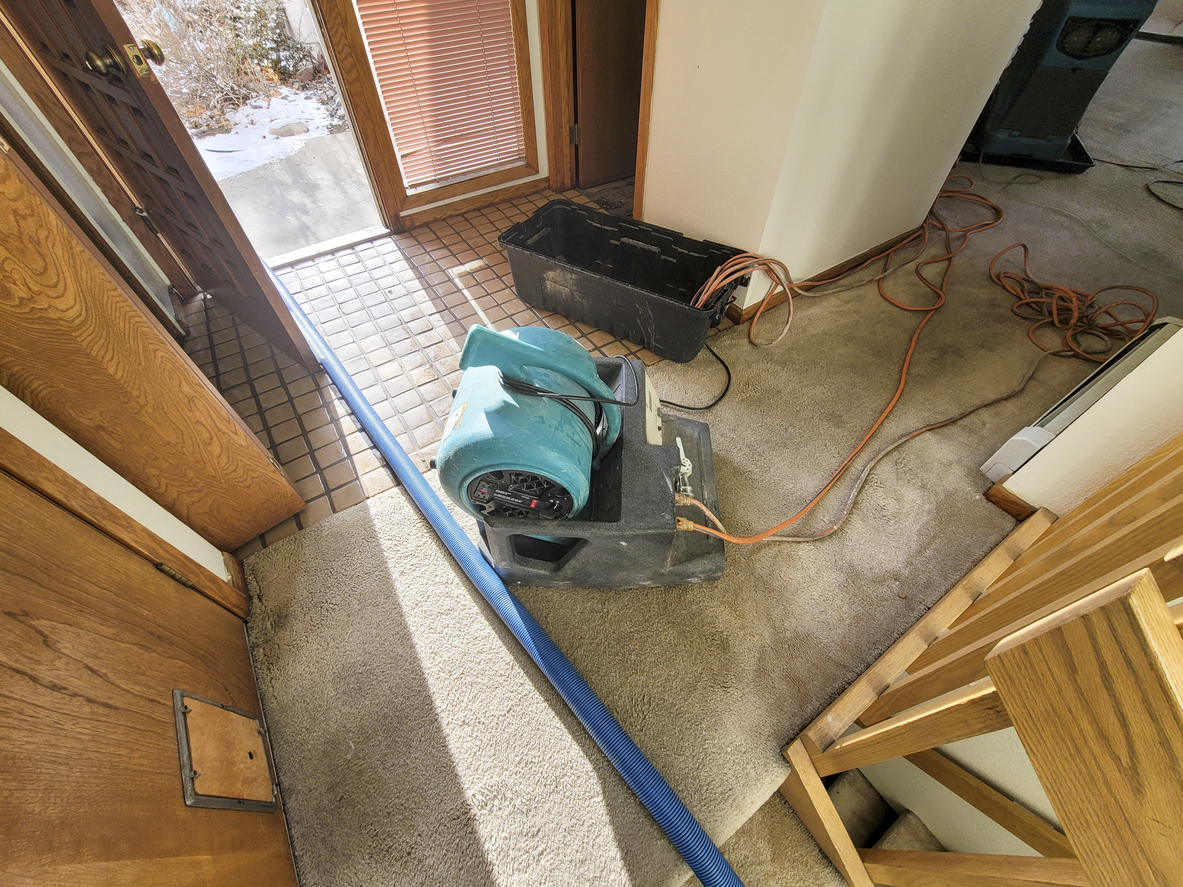
Advanced Structural Drying Technologies uses:
- High-capacity water extraction.
- Commercial dehumidifiers.
- Air movers.
- Moisture meters.
- Thermal imaging cameras.
These tools locate and dry wet materials that cannot be seen with the naked eye.
Drying continues until moisture readings return to normal levels. This process helps prevent rot, warping, and mold growth.
Working with a Plumber: When to Call the Experts
Knowing when to call a professional plumber can make all the difference in preventing minor plumbing issues from turning into major headaches. If you notice slow drains, gurgling sounds, or water leaks in your high-rise building or commercial space, these are clear warning signs that your plumbing system may need expert attention. A licensed plumber can thoroughly assess the plumbing stack, vent piping, and other components to pinpoint the root cause of the problem.
Professional plumbers offer transparent pricing and can recommend the most cost-effective solutions, whether you need a temporary fix or a full plumbing stack replacement. Their expertise is especially valuable in tall buildings, where complex plumbing systems must comply with strict building codes. By working with a professional plumber, property owners can ensure their plumbing system is up to standard, reduce the risk of water damage and mold growth, and maintain a safe, comfortable living space for all occupants.
Don’t wait for a small issue to become a major disruption. If you spot any warning signs, reach out to a licensed plumber to protect your property and investment.
The Importance of Fast Response After a Failure
When a drain stack fails, time matters.
Quick action limits how far water spreads and how much material becomes saturated.
Immediate steps typically include shutting off affected plumbing, containing visible water, and contacting a professional restoration team.
Commercial water damage specialists coordinate drying across multiple units and communicate with property management and insurance representatives.
Fast response often means smaller repair scopes and faster re-occupancy.
FAQs About Water Damage in High-Rises
How long do vertical drain stacks usually last?
Many drain stacks last between 40 and 70 years, depending on material, water quality, and maintenance.
Older homes often have an original plumbing stack made of cast iron, which is heavier but excellent at dampening drain noise. In contrast, modern plumbing stacks typically use PVC pipes, which are lightweight, durable, and resist corrosion.
Can small drain stack leaks be patched?
Temporary repairs may help in localized areas, but widespread corrosion often requires section replacement.
Does insurance cover drain stack failures?
Coverage depends on the policy. Sudden failures are often covered. Long-term deterioration may be excluded. ASDT works with your insurance to make sure your claim you’re advocated for.
Protecting High-Rise Properties With Expert Restoration
Vertical drain stack failures are a major source of structural water damage in high-rise buildings. Aging materials, heavy usage, and hidden deterioration make these systems vulnerable.
IoT water monitoring and smart automatic shutoff valves can help prevent water damage in high-rise and multi-dwelling units by proactively protecting the water supply. IoT solutions can trigger alerts the moment water is detected, notifying property managers and residents to take immediate action. The Eddy Leak Protection System offers tailored solutions for high-rise buildings and multi-dwelling units, while the Eddy 24/7 Monitoring Centre provides round-the-clock surveillance of water systems. By integrating smart automatic shutoff valves and sensors, a closed-loop system is created for water damage prevention. IoT-powered technology helps mitigate water damage and prevent costly repairs in multi-dwelling units.
Fast structural drying from a professional restoration company like ASDT after a failure helps limit damage and protect occupants.