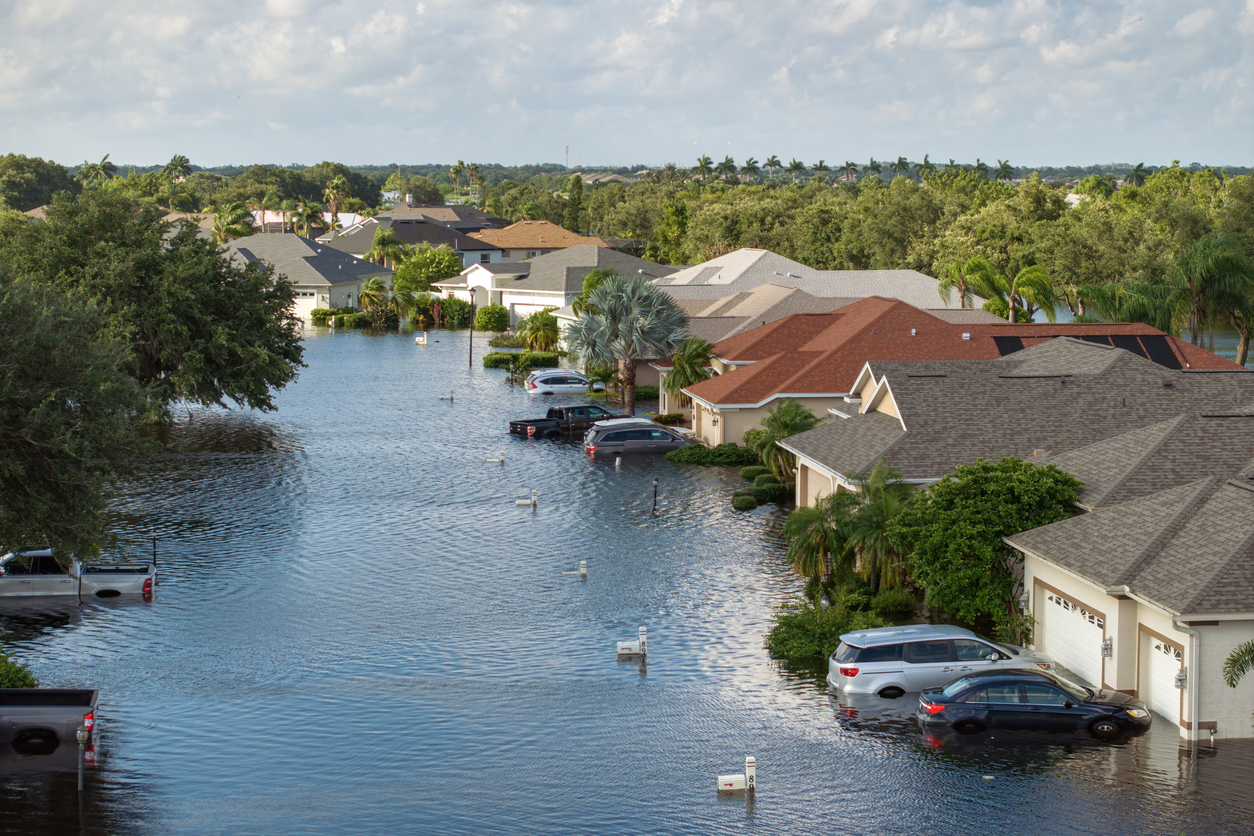
Water damage remains one of the most frequent and expensive issues affecting construction projects today. From multi-unit housing developments to high-rise commercial builds, even a small water intrusion can cause extensive delays, structural concerns, and financial setbacks. For contractors, developers, and construction managers, preventing and managing this risk is critical to keeping projects on time and within budget.
Water damage claims in the construction industry are rising rapidly, with annual losses in the U.S. now exceeding $500 million. The median cost of water damage claims has increased by 21% year-over-year, and large loss claims over $500,000 have doubled, while those exceeding $1 million have tripled since 2015. These trends highlight the growing impact of water damage claims on projects and contractors, emphasizing the need for effective prevention strategies to reduce financial losses.
Advanced Structural Drying Technologies partners with construction teams to handle these challenges through real-time moisture control and rapid drying solutions. Our approach minimizes disruption, reduces liability, and safeguards both materials and schedules. By addressing water damage during construction promptly, we help ensure that projects continue to move forward safely and efficiently.
Why Water Damage Happens on Active Construction Sites
Construction environments are inherently vulnerable to water exposure. Materials such as drywall, insulation, and subflooring are often installed before the building is fully enclosed, leaving them susceptible to moisture intrusion from weather, plumbing failures, or unsealed penetrations. Water damage occurs when improper weatherproofing, plumbing failures, inadequate site drainage, or exposed building openings allow water to infiltrate the structure during construction. Incomplete roofing systems or open window frames can allow rainwater to enter; unsecured openings like unfinished roofs, windows, and doors can allow rain or wind-driven moisture to enter as well. Condensation from unregulated humidity can create damp conditions that lead to mold growth and material degradation.
Temporary plumbing systems or testing of new water lines can also cause unexpected leaks that go unnoticed until damage spreads. Poorly glued plastic pipe connections or improperly soldered copper joints can lead to plumbing and piping issues during construction. Without a proactive plan for monitoring and mitigation, these incidents can quickly escalate into costly repairs and schedule interruptions. Water damage can erode the soil around shoring systems, reducing the soil’s ability to support the weight and pressure of the excavation.
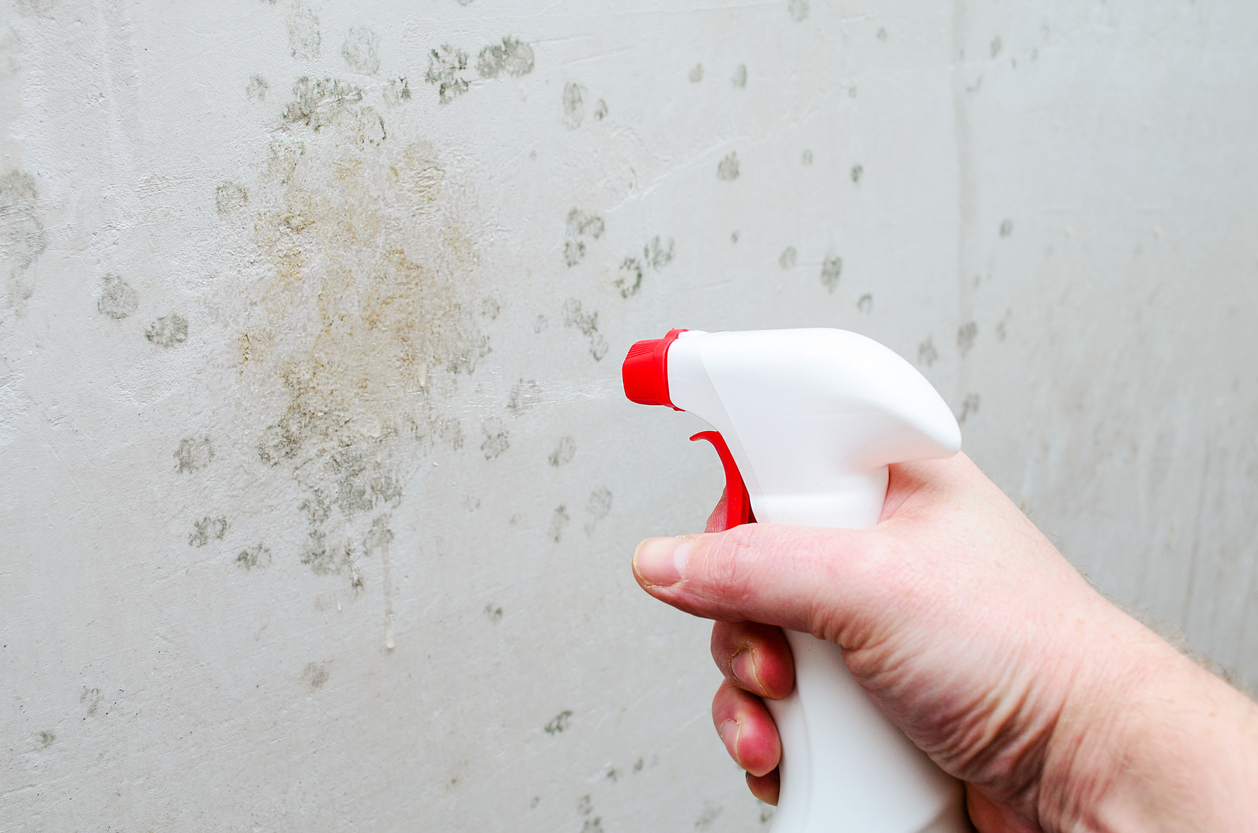
Mold can develop and spread rapidly following water intrusion into building materials, causing potential health issues for workers and future occupants. Water damage can ruin interiors, spur the growth of mold, and damage electrical systems and equipment. This highlights the risks to building systems, including electrical systems, and underscores the importance of water damage prevention.
By incorporating construction risk management practices early in the build phase, project leaders can identify moisture-prone areas and establish response protocols before problems occur. Identifying water sources and water damage risks is a critical part of water damage prevention. Partnering with ASDT ensures access to emergency water mitigation services and drying technologies that protect progress and preserve materials at every stage of construction.
The Cost of Water Damage
Water damage during construction can halt progress in an instant. Once materials are saturated, crews must stop work until drying and remediation are complete. Every day of downtime can impact subcontractor schedules, inspection timelines, and delivery dates. These interruptions often lead to costly change orders, missed completion targets, and disputes over financial responsibility.
If further damage is not prevented promptly, water related losses can escalate quickly, increasing both direct and indirect costs for the project.
Beyond delays, water damage creates liability exposure for general contractors and developers. Insurance claims, warranty disputes, and potential structural issues can strain relationships with clients and investors. The contractor will pay at least some of the costs out of their own pocket, such as deductibles and debris removal costs that exceed insurance coverage. Repeated water losses also damage reputations, making it harder to secure future contracts.
With a proactive moisture management plan and a partnership with ASDT, contractors can reduce the likelihood of major disruptions. Our team provides rapid response and full documentation to support claims, helping construction professionals limit risk while keeping projects on schedule and within scope.
Preventing water damage claims adds to a contractor’s bottom line, as most water losses are preventable with proper planning and quality control.
Emergency Water Damage Restoration for Active Projects
When water loss occurs mid-build, time is the most critical factor. Standing water, soaked materials, and rising humidity can cause irreversible damage within hours. A quick response is essential, as the first 24-48 hours after water damage occurs are critical to preventing permanent structural issues and mold growth. Engaging professional mitigation services within 24-48 hours can help avoid mold and structural issues. That is why ASDT delivers fast, scalable emergency water damage restoration specifically designed for active construction environments.
Our process begins with site containment to prevent cross-contamination and protect unaffected areas. We deploy high-capacity desiccant dryers, dehumidifiers, and air movers, including industrial air movers and dehumidifiers, to pull moisture from the air and dry affected areas, stabilizing conditions quickly. Moisture mapping and infrared scanning identify hidden water within walls, ceilings, and subfloors to ensure nothing is missed. Every step is carefully documented, providing construction teams and insurers with clear verification of progress and results.
Integrating Moisture Control into Construction Planning
Preventing water damage starts long before the first materials arrive on-site. Successful contractors integrate moisture control strategies and a comprehensive water damage mitigation approach into every phase of the project, from pre-construction planning to closeout. It is essential to develop a detailed plan for water damage mitigation, including step-by-step procedures, assigning roles, and conducting regular drills to ensure the team is prepared to execute the response plan effectively. Providing regular training and educating all stakeholders on water damage risks and mitigation strategies is also crucial for effective prevention. This proactive approach identifies high-risk zones and sets clear protocols for weatherproofing, leak detection, and emergency response.
Working with ASDT early in the process allows teams to implement monitoring systems and inspection checkpoints tailored to their project. Our experts collaborate with site managers and engineers to track ambient conditions, verify drying progress, and confirm that moisture levels meet manufacturer specifications before finishes are applied. Smart water leak detection systems are a powerful tool for water loss prevention.
By combining construction risk management with expert drying oversight, builders can reduce the likelihood of water-related setbacks and ensure the long-term structural integrity of their projects. Incorporating ASDT into your planning keeps deadlines predictable and liability under control. A robust water damage mitigation program should span the entire lifecycle of a construction project, from pre-construction to post-construction phases.
Building Envelope and Water Damage
The building envelope serves as the first line of defense against water intrusion in any construction project. Its integrity is crucial for preventing water damage, which can lead to significant delays, property damage, and increased liability for all parties involved. Water can infiltrate the building envelope through a variety of sources, including internal building releases, severe weather events, and the use of subpar construction materials. Each of these factors poses a significant challenge to maintaining a dry and secure job site.
To minimize risk and prevent water damage, it’s essential to implement a comprehensive risk management strategy focused on the building envelope. Regular inspections and ongoing maintenance are key to detecting water leaks early and addressing vulnerabilities before they escalate into larger issues. Utilizing severe weather planning tools, such as mobile apps and various sensors, can provide timely updates and actionable guidance, helping contractors and property owners protect construction sites from unexpected weather-related water infiltration.
A detailed water damage response plan should be established during the pre-construction phase. General contractors and property owners should collaborate to develop protocols that include waterproofing structures, installing effective drain lines, and documenting all wet work activities with wet work permits and valve tags. These proactive measures not only help prevent water damage but also streamline the response process if a water-related incident occurs, minimizing damage and reducing project delays.
Recent data highlights the scale of the issue: nearly one-third of all liability losses in the construction industry are attributed to water-related incidents. This underscores the importance of regular training and ongoing education for all involved parties. By providing regular training on water leak detection, risk management, and the use of advanced technologies, contractors can better detect water leaks, minimize damage, and reduce claims.
Insurance carriers are increasingly offering support through higher water damage deductibles and resources for ongoing training, helping contractors stay ahead of evolving risks. By understanding the leading causes of water damage, such as internal building releases, water infiltration, and inadequate construction materials, contractors can take targeted steps to prevent water damage and protect both the project timeline and the bottom line.
Ultimately, safeguarding the building envelope through regular inspections, the use of severe weather planning tools, and a robust water damage response plan is essential for minimizing risk and liability losses. By prioritizing proactive measures and leveraging advanced detection systems, construction professionals can reduce water damage losses, keep projects on schedule, and ensure successful project completion.
The ASDT Advantage
Every construction project is unique, and managing water damage requires expertise backed by reliable technology. ASDT provides adequate resources, including skilled personnel, necessary materials, and specialized equipment, to effectively manage and address water damage during construction. ASDT uses advanced structural drying systems and monitoring tools designed specifically for large-scale construction environments. Our team combines real-time moisture detection with high-performance desiccant drying equipment to achieve faster, verifiable results.
Our monitoring tools include water leak detection systems made up of a software platform, various sensors, and a communication network. When a problem is detected, alerts are sent to key contacts, and if enabled, remote shutoffs can be activated to minimize damage.
Comprehensive documentation is a core part of our process. Detailed moisture reports, photographs, and progress logs ensure transparency for contractors, insurers, and stakeholders. This recordkeeping not only supports claim validation but also demonstrates compliance with construction quality standards.
Building Confidence with Proactive Risk Management
The most effective way to prevent water-related setbacks is to plan for them before they occur. Integrating water damage mitigation throughout the construction process, including pre-construction and post-construction phases, is essential for comprehensive risk management. Partnering with ASDT gives construction teams the tools and expertise needed to manage moisture exposure from day one. We assist contractors in developing prevention plans that include site inspections, drainage assessments, and emergency response protocols.
A formal Quality Assurance/Quality Control (QA/QC) plan should be designed during the pre-construction phase to prevent water damage. Contractors should also evaluate their potential water exposures on the job site and adopt a formal construction water mitigation program to address risks at every stage.
By integrating construction risk management practices early, project leaders create a safety net that protects materials, schedules, and budgets. Our team’s guidance ensures your crew knows how to respond quickly and efficiently if an incident happens, reducing the potential for costly downtime or material loss. Maintaining a dedicated checklist team during the project close-out period ensures that water damage issues are addressed promptly, supporting ongoing prevention into the post-construction phase.
Protect Your Project From Costly Water Damage
Water damage can jeopardize months of progress in a matter of hours, but the right strategy can keep your project on track. From proactive moisture monitoring to rapid emergency response, ASDT helps construction professionals minimize risk, avoid delays, and protect their investment.
Top-Tier Construction Risk Management in Tennessee
At Advanced Structural Drying Technologies, we provide comprehensive drying and restoration services tailored to the needs of commercial and multifamily construction. Our specialized equipment and detailed reporting systems help general contractors and developers maintain safety, efficiency, and compliance from foundation to finish.
Call us at 615-207-3877 or reach out online to learn more about how we can help your project dry out after damage.