Water damage restoration is about more than fixing a wet spot; it’s about preventing a cascade of costly repairs that can wreak havoc on your home or business for years. What starts as a small leak behind a wall can lead to structural rot, mold infestations, and hidden electrical hazards.
Whether you’re looking for a local water damage restoration service or wondering if your insurance policy is going to cover the full extent of the damages, acting fast can make all the difference. The financial impact can be significant, especially when water damage affects an entire room or even multiple rooms, which increases the overall costs of restoration. We’ll look at the real cost of procrastination and delay, and explain how the expert technicians at ASDT get to your location quickly and deploy state-of-the-art equipment to extract water, dry materials, and document every step.
Introduction to Water Damage
Water damage is one of the most common and disruptive issues homeowners face, capable of wreaking havoc on both property and peace of mind. Whether it’s a sudden flood or a slow, hidden leak, the cost of water damage can quickly escalate, leading to high costs that go far beyond surface repairs. Understanding the restoration process and the factors that influence water damage restoration cost is crucial for making informed decisions when disaster strikes.
The price of water damage restoration varies based on several factors, including the size of the affected area, the type of materials involved, and the extent of the damage. On average, homeowners can expect to pay between $3 and $7.50 per square foot for restoration, with the national average cost hovering around $3,867. However, depending on the severity and scope, project costs can range from $1,384 to $6,384, and in cases of extensive damage, even exceed $16,000. By understanding these potential expenses and the restoration process, homeowners are better equipped to act quickly and minimize both financial and emotional stress.
Causes of Water Damage
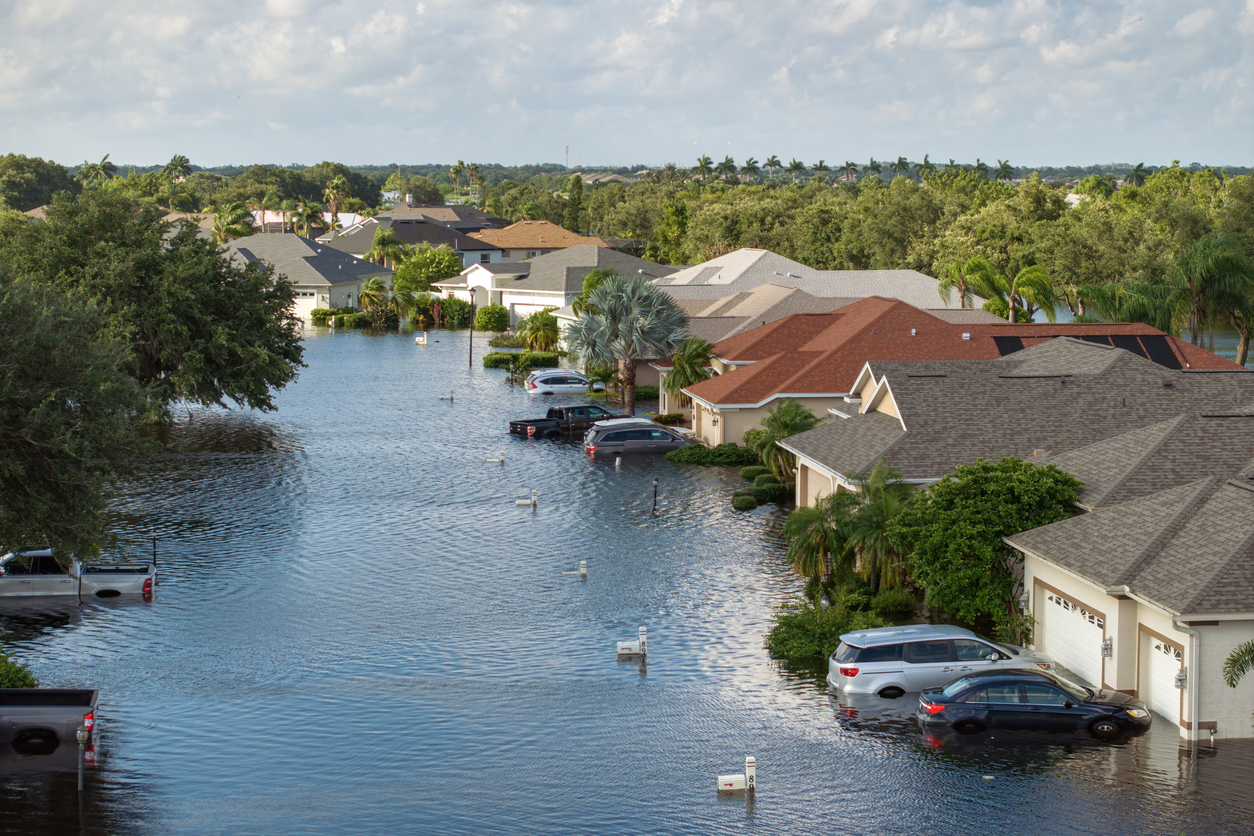
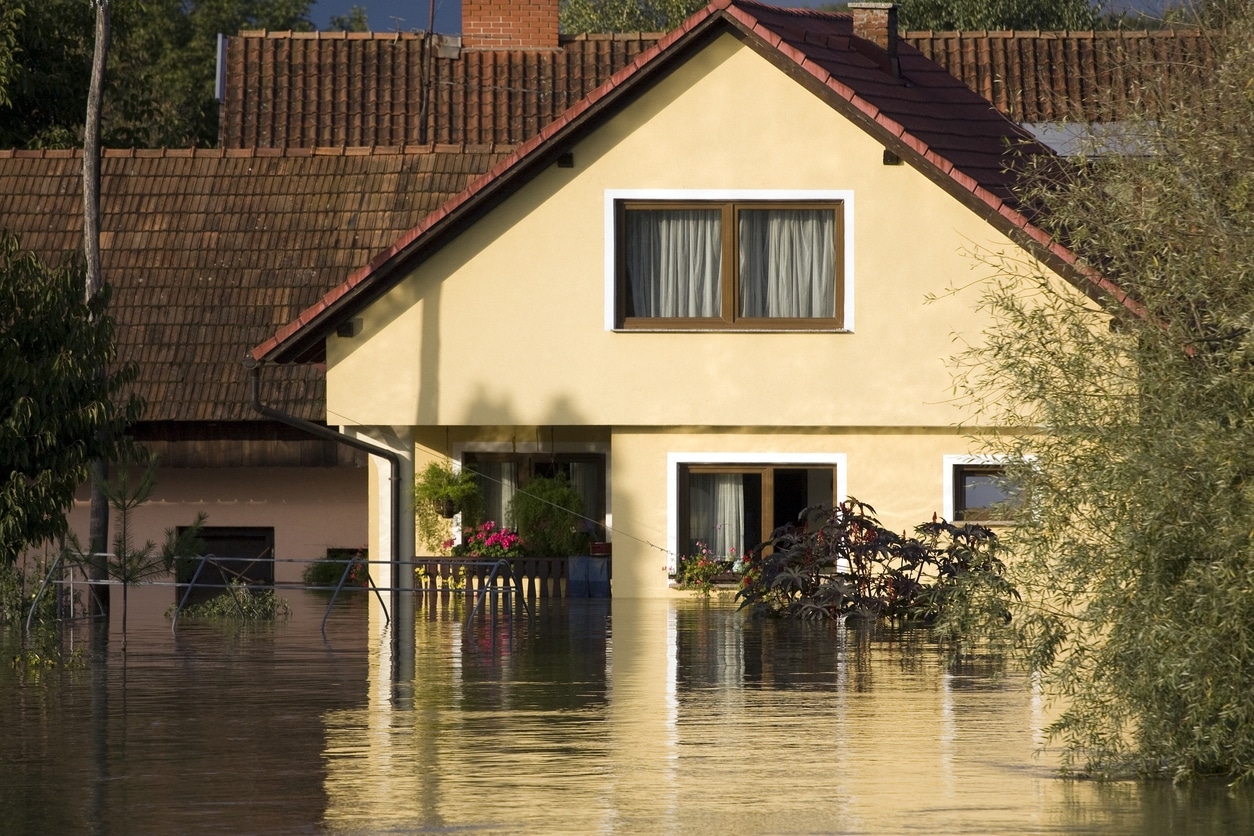
Water damage can stem from a variety of sources, each with its own set of challenges and repair requirements. Common culprits include leaky roofs, burst pipes, sewage backup, and natural disasters such as river floods. Even seemingly minor issues like leaky plumbing, ice dams, or damaged flashing can lead to extensive repairs if not addressed promptly. Small leaks and poor maintenance often go unnoticed until they result in high costs and widespread water damage.
It’s important to identify the type of water involved, as this affects both the restoration approach and the overall cost. Clean water from a leaky faucet or broken supply line is generally less hazardous and easier to remediate. In contrast, gray water from appliances or bathroom fixtures, and black water from sewage backup, pose greater health risks and require more intensive cleanup. Pinpointing the source, whether it’s a burst pipe, clogged drain, or storm-related flooding, ensures the right steps are taken to restore your property safely and efficiently.
The True Cost of Delayed Repair
Structural Damage and Rotting Materials
When water soaks into wood framing, drywall, and subflooring, it weakens load-bearing components. Within days, wet wood can warp, delaminate, and lose its strength. Drywall softens and crumbles, leaving walls unstable. Tile and hardwood floors can buckle or develop gaps at seams. Water damage can also cause a sagging ceiling, which often requires structural repairs to restore safety and stability. Repairing a ceiling due to water damage costs between $450 and $1,600, depending on the severity of the damage.
Every day you wait, hidden damage spreads deeper into the structure, often behind walls or under flooring, driving up repair costs exponentially. Emergency water damage repair fixes only the visible symptoms. Full water damage restoration tackles the root problem before decay undermines your property’s integrity.
Mold Growth and Health Hazards
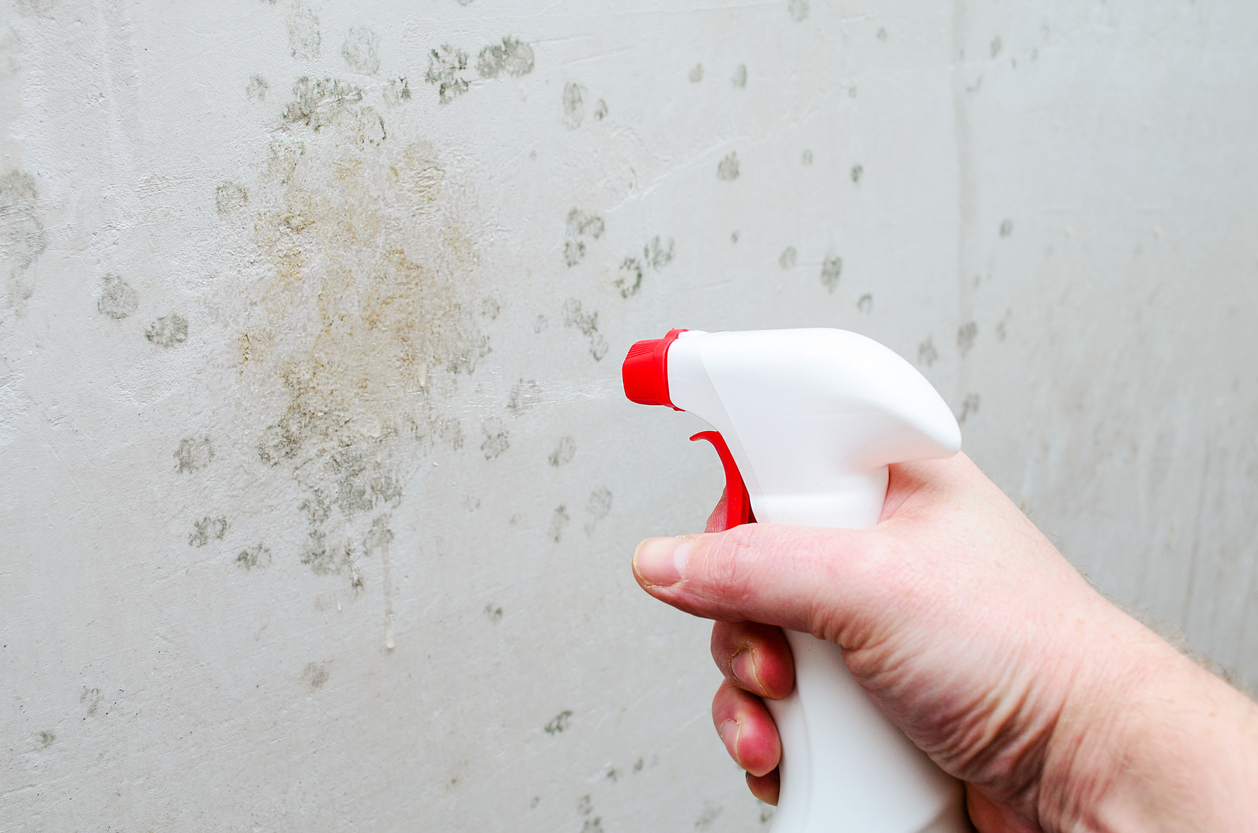
Mold spores thrive in damp environments and can begin colonizing within 24 to 48 hours of water exposure. Once established, mold spreads through wall cavities, insulation, and HVAC ducts, releasing allergens and mycotoxins into your indoor air. Common places for mold growth include the kitchen, bathroom, crawl space, attic, or air conditioning vent.
Mold remediation becomes far more expensive than early drying, as it requires containment, air scrubbing, and removal of contaminated materials. A musty odor is a common warning sign of hidden mold problems. Beyond cost, mold poses serious health risks, respiratory irritation, asthma attacks, and allergic reactions that can trigger liability concerns in commercial settings.
Hidden Electrical and HVAC Damage
Water intrusion often reaches behind walls and into ceilings where wiring and HVAC components reside. Water can also damage the electrical components within appliances and systems, making them vulnerable to costly repairs or replacements. Moisture corrodes electrical connections, increasing the risk of short circuits and fire. Ductwork and air handlers may harbor water, leading to bacterial growth and foul odors. Water damage can cause corrosion to heating and cooling systems and plumbing.
Repairs to hidden systems require invasive access, cutting drywall and replacing insulation, dramatically increasing labor and material expenses. By calling a professional water damage restoration service as soon as you spot a leak, you avoid extensive reconstruction and ensure your entire system is safe and operational.
Early Signs That You Need Water Damage Restoration
Look for watermarks along ceilings, walls, or around windows. Brown or yellow water stains often signal leaking pipes or roof issues. In older homes, wallpaper edges may lift, paint may crack and bubble, or you may notice peeling paint where moisture collects behind the surface. Even small spots can indicate hidden leaks inside walls or above ceilings.
Check closets and storage areas, these spots often go unnoticed until damage spreads. At the first sign of staining or peeling, call a professional water damage restoration company near you to inspect behind the drywall and stop damage before it escalates.
Flooring materials respond quickly to excess moisture. Hardwood planks may cup or buckle, vinyl tiles can lift at the seams, and grout lines in tile can widen. Carpets soak up water quickly, which can lead to subfloor damage if not addressed promptly. You might notice uneven surfaces or soft spots underfoot that weren’t there before.
At the same time, a persistent musty or earthy odor is a red flag for mold growth in subfloors or carpet padding. Even if the source isn’t visible, trained technicians use moisture meters and thermal imaging to locate and dry hidden wet areas, preventing rot and mold remediation costs down the line.
Homeowners should be proactive about knowing the signs of water damage and the best preventative measures.
Why Calling a Restoration Company Right Away Saves You Money
Rapid Extraction and Drying Prevents Secondary Damage
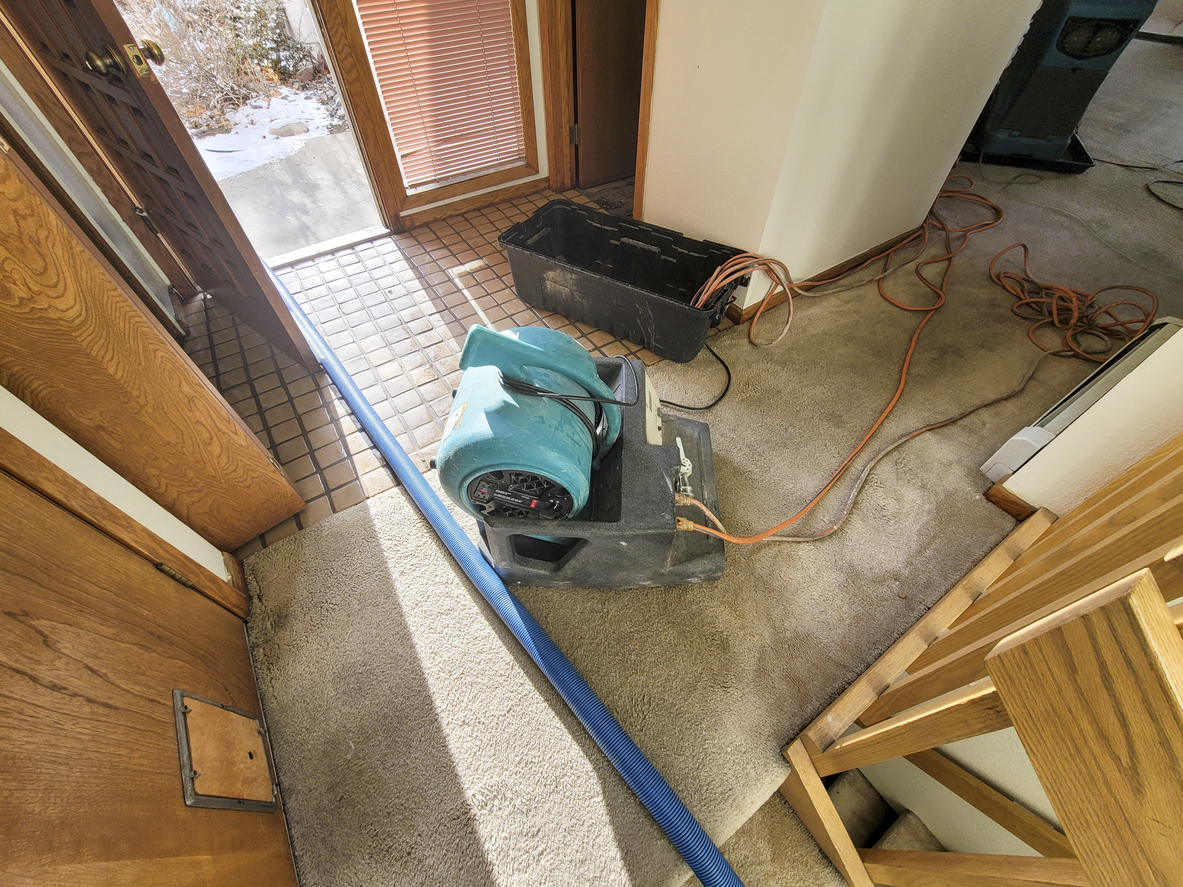
Immediately removing standing water and drying materials stops damage from spreading. High-capacity extractors pull water from carpets, padding, and porous materials before mold spores take hold. Industrial-strength dehumidifiers and air movers dry structural components evenly, preventing wood decay and paint failure.
Acting within the first 24 to 48 hours can reduce the total restoration cost by up to 50 percent, since you avoid extensive demolition and replacement of walls, floors, and furnishings.
Insurance Documentation and Claim Support
Professional water damage restoration companies document every step of the process, including
photos, moisture readings, and drying logs, so you have clear evidence for your insurer. Documenting damage with photos for insurance purposes is important before restoration begins. We provide detailed, itemized reports that speed claims and reduce out-of-pocket expenses. Homeowners should contact their insurance company early in the process to coordinate repairs and determine coverage.
Our experienced staff understands policy language and common coverage pitfalls, helping you navigate questions about whether homeowners’ insurance covers water damage. Homeowners insurance may cover sudden and accidental water damage, but it often excludes gradual damage caused by neglect or maintenance issues. Always review your policy details to understand coverage limits and required documentation for claims. By involving experts early, you ensure full compliance with insurance requirements and avoid denials, so you pay only your deductible and not the full cost of repairs.
Preventative Measures to Avoid Future Water Damage
Taking proactive steps to prevent water damage is essential for protecting your home and avoiding costly repairs down the line. Regular maintenance is key: inspect your plumbing system for minor leaks, check under sinks and around appliances, and ensure gutters and downspouts are clear of debris. Addressing small issues early can prevent them from turning into major problems that require extensive water damage restoration.
To prevent mold growth, maintain good ventilation throughout your home, especially in bathrooms, kitchens, and crawl spaces. Using a dehumidifier in damp areas and promptly repairing any water damage can help prevent mold from taking hold. Installing a sump pump in your basement, extending downspouts away from your foundation, and regrading your yard to direct water away from your home are all effective strategies for preventing future water damage.
For added peace of mind, consider investing in water sensors or leak detection systems, such as the Flume Water Monitoring & Leak Detection system. These devices can alert you to leaks before they cause extensive damage, allowing you to act quickly and minimize repair costs. By staying vigilant and prioritizing regular maintenance, you can significantly reduce the risk of water damage and the need for costly restoration.
FAQs About Water Damage and Insurance
How much does water damage repair cost?
Costs vary by the extent of damage and the materials affected. Minor cleanup and drying can start around $1,000, while full structural restoration may run several thousand. A professional assessment gives you an accurate estimate.
How do I find a water damage restoration service near me?
Search for certified water damage restoration companies in your area that carry IICRC certification. Look for 24/7 emergency response, detailed documentation processes, and positive customer reviews.
Can I handle water damage myself?
Small spills can be mopped, but any standing water or signs of hidden moisture call for professional intervention. DIY drying often leaves residual damp spots that lead to mold and structural issues.
Does insurance cover water damage?
Most homeowners and commercial policies cover sudden, accidental water damage, like a burst pipe, but exclude gradual damage from leaks or poor maintenance.
Protect Your Property with Advanced Structural Drying Technologies
When water intrusion threatens your building, every minute counts. Advanced Structural Drying Technologies combines rapid response, industrial-grade extractors, and precise drying protocols to stop damage in its tracks. If mold growth has already begun, mold restoration may be necessary, including professional detection, testing, and remediation to ensure safe removal.
Our fully documented process supports insurance claims and minimizes repair scope. From emergency water extraction to complete restoration, we safeguard your property’s value and health. Water damage restoration is a complex project that requires expertise and proper equipment.
Leading Water Damage Restoration in Tennessee
Advanced Structural Drying Technologies offers 24/7 water damage restoration and repair services across Tennessee. Our certified technicians handle everything, from moisture detection and water extraction to mold prevention and rebuilding, using proven methods and state-of-the-art equipment.
For reliable, professional care that limits costs and maximizes recovery, reach out online or call us at 915-207-3877 to get started.
Conclusion: Act Fast, Save More
Ultimately, water damage can lead to high costs and long-term consequences if not addressed immediately. Acting quickly not only helps prevent further damage but also reduces repair costs and safeguards the health and safety of everyone in your home. Understanding the causes of water damage, taking preventative measures, and knowing what to expect from the restoration process empowers you to make informed decisions when every minute counts.
Working with a water damage restoration professional ensures that the job is done right the first time. Only a licensed professional has the expertise, specialized equipment, and experience to properly assess the situation, categorize the type of water damage, and carry out the restoration process effectively. By responding promptly and relying on expert help, you can minimize high costs, avoid further damage, and protect your investment for years to come.