Ideally, the holidays are a time for joy, fellowship, and relaxation. On the other hand, they can be stressful, costly, and dangerous.
Every festive occasion has its enthusiasts and naysayers. For every Bob Cratchit, there’s a cantankerous Mr. Scrooge. But regardless of where you fall on the spectrum of holiday cheer, one thing’s for certain, house fires are more numerous and more damaging throughout the winter months.
So, why do devastating fires pick the happiest time of year to spread throughout American households? The causes probably won’t surprise you, but the steps you can take to avoid costly fires might just ensure a festive holiday season.
Why Are Fires So Common During The Holiday Season?
At Advanced Structural Drying Technologies, it’s our mission to investigate the causes of fires and then, when we’re needed, rescue properties from the aftermath. Smoke damage restoration and emergency board-ups may be part of our job, but that doesn’t mean we enjoy them.
This holiday season, we’re hoping to avoid unnecessary fires in Tennessee homes. If you need emergency fire damage restoration services this season, call us at 615-632-6630.
In the meantime, here’s how you can avoid the worst.
Top 3 Causes of Holiday Fires & How to Avoid Them
Cause 1 – Decorations & Electrical Fires
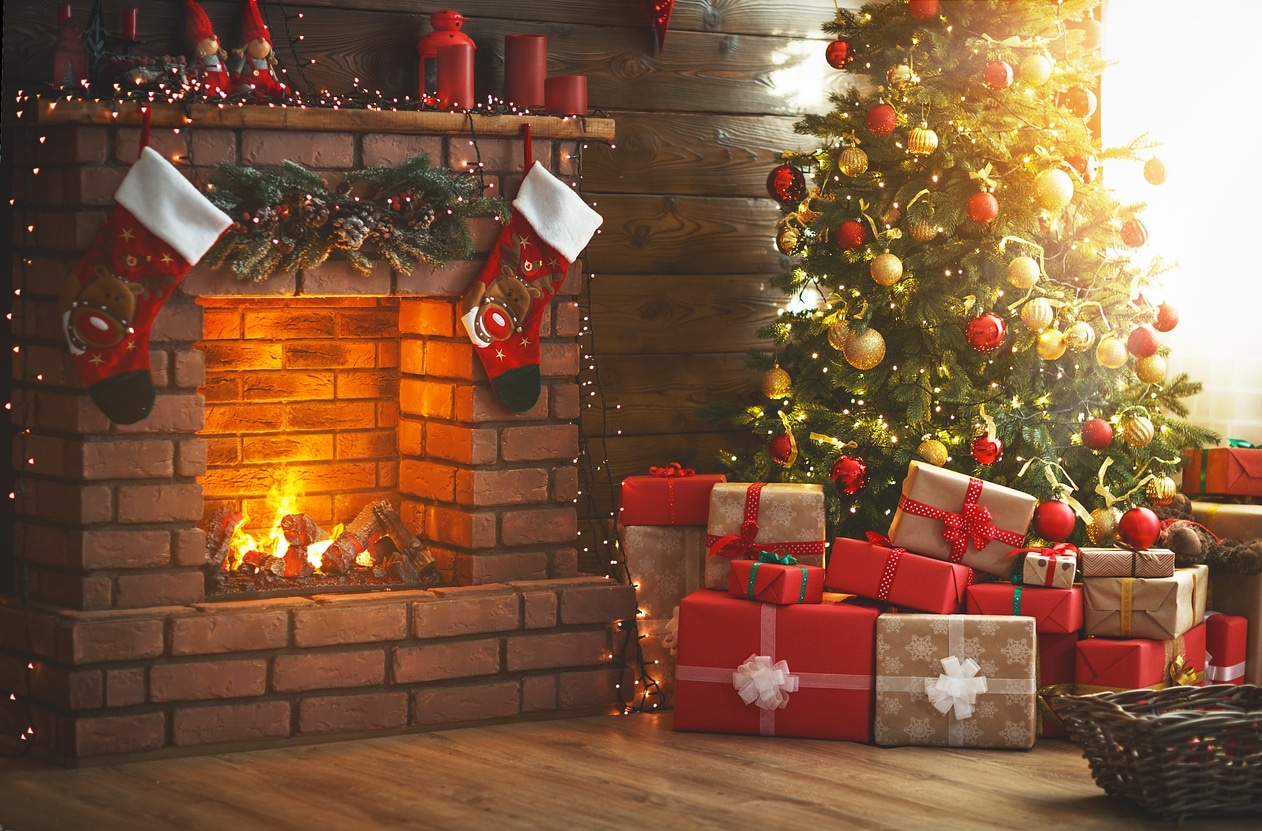
In the dark of winter, nothing says “hope for the future” like dazzling string lights. For many, holiday decorations are the reason for the season. From lavishly appointed Christmas trees to inflatable lawn characters, our holiday decor holds a special place in our hearts. Unfortunately, they can also become a fire hazard: U.S. fire departments respond to an estimated average of 835 home structure fires per year that begin with decorations, excluding Christmas trees.
Some homeowners get so excited to decorate that they cut corners with surge protectors or overload outlets. Others use damaged cords or get a little trigger-happy with the staple gun. Harmless as it may seem, these decorating mistakes can lead to broader electrical problems, and many holiday house fires are caused by electrical problems.
Nearly half of home Christmas tree fires are caused by electrical problems, and a heat source too close to the tree causes nearly one in four.
What You Can Do About It
To give yourself the merriest of holidays, there are a few simple steps you can take to avoid the worst. From basic fire safety when hanging lights and décor to being vigilant about where you place decorations, these top tips can keep the cheer rolling:
- Purchase lights specifically rated for their placement and use matching extension cords or cords rated for indoors or outdoors
- Secure lights with clips rather than staples, which can puncture wires
- Inspect lights each year before decorating, and throw away strands with frayed or pinched wires, plus any with blown or dead bulbs
- Never plug one surge protector into another
Smart electrical practices can save you and your family from devastation this holiday season, and overloaded outlets are another common holiday fire trigger. Don’t gamble your festivities on careless decorating.
Cause 2 – Holiday Cooking
In normal circumstances, our abilities in the kitchen differ drastically. Some of us pride ourselves on knifework, sauteing, roasting, and even deep frying. Others have no business wielding vegetable peelers. Regardless of how comfortable you are in a kitchen, there’s no denying that cooking for the holidays is capital “S” Stressful.
Add up the stress, the differing skill levels, the amount of cooking, and the amount of hosting we have to do during the holidays, and you have the perfect recipe for house fires. So, how can we prevent them?
What You Can Do About It
The simplest way to prevent cooking fires is to stay involved while cooking and stay in the kitchen, not just avoid leaving it unattended. But even that may not be enough to avoid the worst. Let your holiday feast shine this year by taking the following measures:
- Set loud timers, and use a timer for dishes that need longer cooking times
- Test your smoke alarms regularly and double-check their batteries
- Purchase a fire extinguisher & learn how to use it
- Keep all flammable objects away from the stovetop and oven
- Remove obstacles from the kitchen floor
- Ask family or friends to watch or help
If you’re cooking this year’s feast, don’t be afraid to tag in a relative or friend. You’re already feeding everyone. You don’t have to be solely responsible for safety.
Cause 3 – Open Flames
As much as we enjoy string lights, there’s nothing quite like a candle or roaring fireplace to warm our gatherings and our hearts. But every wick or log we light is a responsibility. Open flames are a leading cause of holiday house fires for obvious reasons. We set the mood and then forget about it, neglecting fires we forgot we started. During the holidays, candle fires are four times more likely than at other times of the year.
Too often, we place candles and decorations too near each other or too near a roaring fireplace. Candles can be knocked over easily, so it helps to keep décor and flames a safe distance apart around fireplaces and trees. Even a dry Christmas tree can pose a serious threat year-round. But with a little bit of vigilance and careful planning, you can avoid the worst.
What You Can Do About It
Candles, garlands, ribbons, and even decorative branches all go together to create your tablescape or winter wonderland. But just because they were stored in the same plastic bin in your attic doesn’t mean they belong side by side throughout your household, and real candles only belong where they can be monitored safely.
When decorating, try to:
- Ensure that no decorations hang too far from the mantle toward the fireplace
- Keep candles a safe distance of at least one foot from anything flammable
- Extinguish candles before leaving the room or going to sleep
- Keep a well watered tree by watering it daily
- Position your tree several feet away from heat sources, including radiators, on all sides
- Use a fire screen to contain burning logs or gas fireplaces
- Monitor candles & refrain from lighting too many at one time
- Plug space heaters directly into wall outlets and never leave them unattended
We can enjoy open flames without also increasing our risk of devastating fires or lingering smoke damage. All it takes is a little consideration.
Happy Holidays from Advanced Structural Drying Technologies!
As Tennessee’s trusted fire damage restoration company, we wish readers a safe and cheerful season! But with that sincere wish comes an equally sincere warning: please, take steps to avoid fires in your home.
House fires are put out with fire hoses, leading to extensive water damage in the affected areas. On top of fire damage and smoke damage, cleanup may also include structural drying and mold remediation to help bring a home back to life, all because a decorative ribbon hung too close to a candle.
Let’s keep this season merry and bright! If anything happens, call Advanced Structural Drying Technologies at 615-632-6630 or contact us online.
Frequently Asked Questions
What is the leading cause of house fires during the holiday season?
Unattended cooking is the leading cause of house fires during the holiday season, as distractions and high-heat cooking (especially grease-based cooking) can quickly lead to dangerous flare-ups.
How can I prevent electrical holiday fires?
To reduce electrical fire risks, avoid overloading outlets, never use frayed or damaged light strands, and ensure all holiday lights are turned off before sleeping or leaving home. Always inspect decorations before use.
How often should Christmas tree fires be a concern?
Between 2020 and 2024, US fire departments responded to an average of 143 home fires per year involving Christmas trees, and 35% of these fires occurred in January, highlighting the importance of proper tree care, maintenance, and prompt disposal after the holidays.
What safety steps reduce the risk of candle fires during holidays?
Keep candles at least 12 inches away from anything flammable, use stable holders, and keep only non-flammable decorations nearby. Candle fires are significantly more common during the holiday season compared to other times of the year. The burn risk also rises in December, so extra caution is warranted during that month.
Why is it important to water a Christmas tree daily?
A dry Christmas tree burns extremely quickly and intensely. A dry tree can ignite faster than a well-watered tree. Regular watering helps keep the tree from drying out, reducing the risk of fire, especially since many tree fires are linked to heat sources or electrical issues nearby. Some of this guidance is also reflected in fire safety recommendations summarized in a UL white paper.